
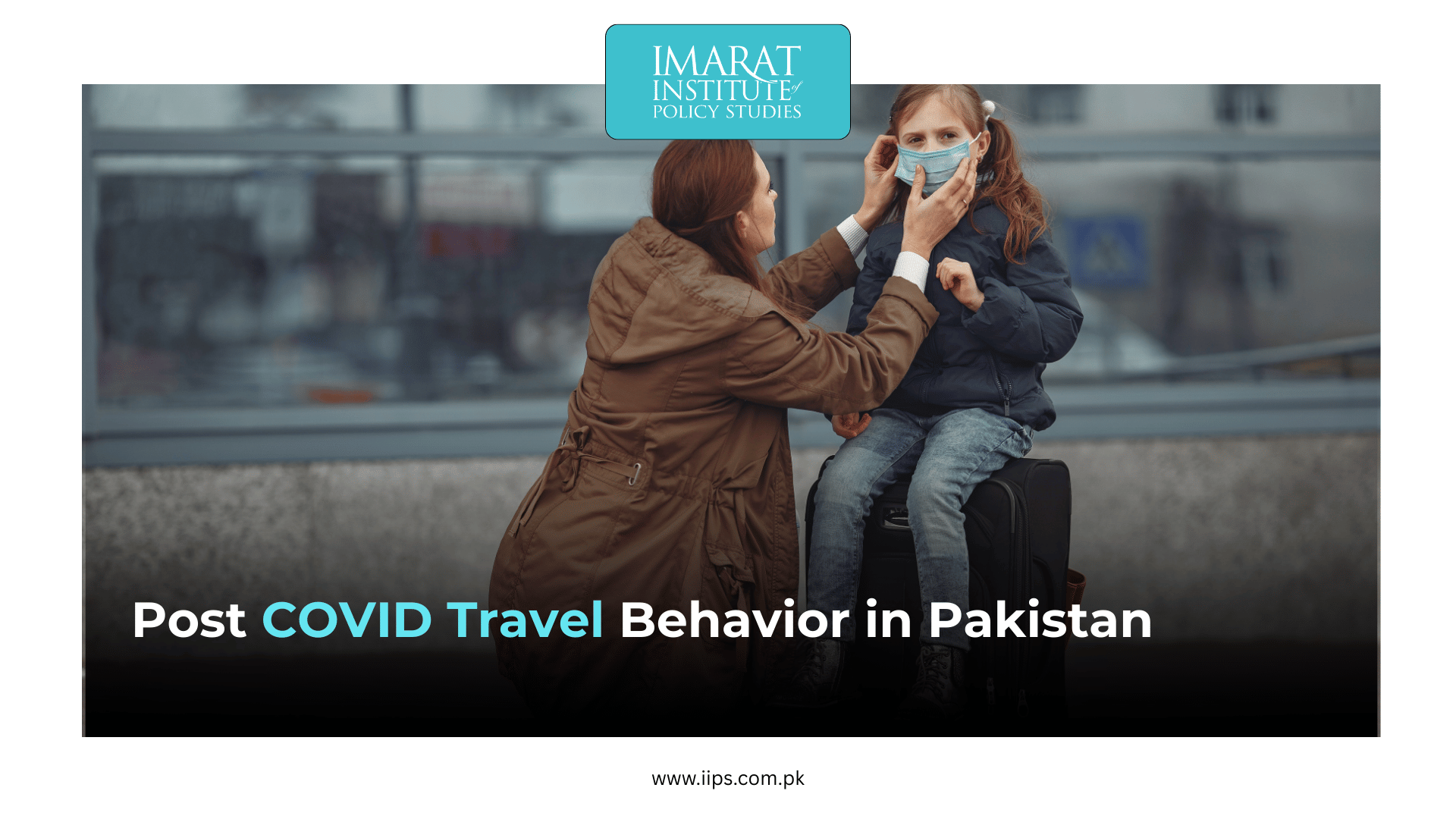
The travel landscape in Pakistan has changed more in the past few years than it did in the decade before. The pandemic forced travelers, hotels, airlines, and tourism operators to rethink how they move, interact, and experience destinations. Even though restrictions have lifted and global travel has resumed, the habits formed during that period continue to shape decisions today.
These changes are not temporary. They have become part of a new travel culture. From cleanliness expectations to digital convenience to the rise of domestic tourism, the impact is visible across hotels, restaurants, malls, airlines, and entire cities. For Pakistan’s hospitality sector, understanding these behavioral shifts is essential to designing relevant experiences and staying aligned with modern expectations.
A New Focus on Cleanliness and Space
Before COVID, cleanliness mattered, but it was rarely at the top of the list. Today it is one of the first things guests look at when choosing a hotel or restaurant. Travelers notice how often housekeeping operates, how well the rooms are maintained, and how fresh the common areas feel.
Hotels in Pakistan have responded by increasing visible cleaning, investing in modern housekeeping tools, upgrading ventilation systems, and redesigning spaces to feel more open and airy. Lobbies are less cluttered, dining areas feel spaced out, and touchpoints are reduced wherever possible. The guest’s mind is calmer when the environment feels clean, and that sense of comfort has become part of hospitality itself.
Growth of Domestic Tourism
One of the biggest shifts after the pandemic was the explosion of local tourism. With international travel restricted, Pakistanis started exploring the north, coastal regions, and heritage sites with new enthusiasm.
Places like Hunza, Skardu, Kumrat Valley, Chitral, and Gwadar saw dramatic growth in footfall. Families began traveling more within the country, influencers promoted local destinations, and resorts in northern Pakistan expanded or upgraded their services due to increased demand.
Even now, when global travel has opened again, the love for domestic destinations has not faded. Pakistani travelers have realized that world class beauty is accessible without leaving the country. This shift is also influencing hospitality investment. Developers are exploring mountain resorts, lakeside hotels, and eco lodges because the demand is real and steady.
Preference for Flexible Booking
The uncertainty of lockdowns made people expect flexibility from travel providers. Travelers want refundable rates, easy date changes, and clear cancellation policies.
Hotels in Pakistan, including both local chains and international brands, have adapted to this expectation. Flexible reservations, low penalty cancellation, and easy rebooking have become standard. Guests are more confident when they know their booking is not rigid. This trend is especially strong among millennials and business travelers, who now travel more spontaneously and avoid fixed timelines.
Health Conscious Travel Choices
Travelers today are more aware of their physical and mental wellbeing. After the pandemic, people started prioritizing fresh air, natural surroundings, clean food, and hotels that offer some wellness elements.
This mindset has encouraged hotels to expand their wellness offerings. Properties now highlight outdoor dining, fitness centers, spa services, and healthier meal options. In the northern areas, many resorts promote natural ventilation, sunlight, clean drinking water, and organic ingredients sourced locally.
For city hotels, wellness has become a differentiator. Guests prefer hotels that feel calm, hygienic, and designed to reduce stress.
Digital and Contactless Travel Culture
The pandemic accelerated Pakistan’s adoption of digital tools in hospitality. Travelers want convenience, minimal contact, and faster processes.
Key changes include mobile check ins, digital room keys, online menus, QR code ordering in restaurants, WhatsApp based concierge services, virtual room tours, and online payments replacing cash. This shift toward digital behavior is permanent. Even older generations have become comfortable with mobile-led travel processes. Hotels that invest in digital convenience are seen as modern and guest focused.
Rise of Smaller Group Travel
Large group travel lost popularity during the pandemic and has not fully returned to previous levels. People now prefer traveling in smaller, intimate groups of close friends, couples, or family.
This behavior has influenced accommodation choices. Guests often choose private cabins, boutique resorts, serviced apartments, and villas over big hotel complexes. In the north, A frame cabins, lakeside lodges, and minimalist mountain chalets have become highly popular due to the privacy they provide. Hospitality investors are adapting by designing smaller, more experience driven accommodation formats.
Higher Expectations of Value
Rising travel costs, inflation, and higher hotel rates have made travelers in Pakistan more value conscious. They are willing to pay for good experiences, but they expect quality in return.
Guests today are more informed and more vocal. They read reviews, compare properties online, and expect consistency. A stylish lobby alone no longer impresses. They want clean rooms, good service, fresh food, comfortable bedding, reliable Wi Fi, and transparent pricing. Hotels that provide consistent value see stronger loyalty and repeat business.
Business Travel Has Changed
The rise of remote work and hybrid offices transformed business travel patterns. Corporations now send fewer employees on trips, but expect better quality when they do.
Business travelers want fast check in, strong internet connectivity, quiet rooms, flexible meeting areas, and access to work friendly lounges. This shift has created demand for hotels that combine business amenities with lifestyle design. The global move toward work friendly hospitality is becoming visible in Pakistan as well.
Growing Interest in Nature Centered Experiences
After long periods indoors during the pandemic, travelers developed a deeper appreciation for nature, fresh air, and open landscapes. This preference remains strong today.
Pakistani travelers are actively seeking scenic viewpoints, nearby lakes, quieter valleys, cultural villages, hiking trails, and eco friendly stays. Nature cabins and low impact lodges have become especially attractive to younger travelers. This presents a significant opportunity for sustainable tourism investment in northern Pakistan, coastal areas, and heritage zones.
The Road Ahead for Hospitality in Pakistan
The post COVID traveler is more aware, more selective, and more experience driven. They want comfort, cleanliness, flexibility, digital convenience, value, and a strong connection to nature. For hotels, resorts, malls, and mixed use developments in Pakistan, the message is clear. The industry must evolve with these expectations.
Properties that combine modern comfort with hygiene standards, guest friendly policies, flexible booking, and technology driven convenience will stay competitive. Travel behavior may have changed, but the shift has created a more educated and opportunity rich environment for hospitality brands that adapt early and continue to evolve.
This blog/article is written by Shahmeer Adnan Baloch. Shahmeer is a research analyst at IMARAT Institute of Policy Studies (IIPS).

Leave a Reply