
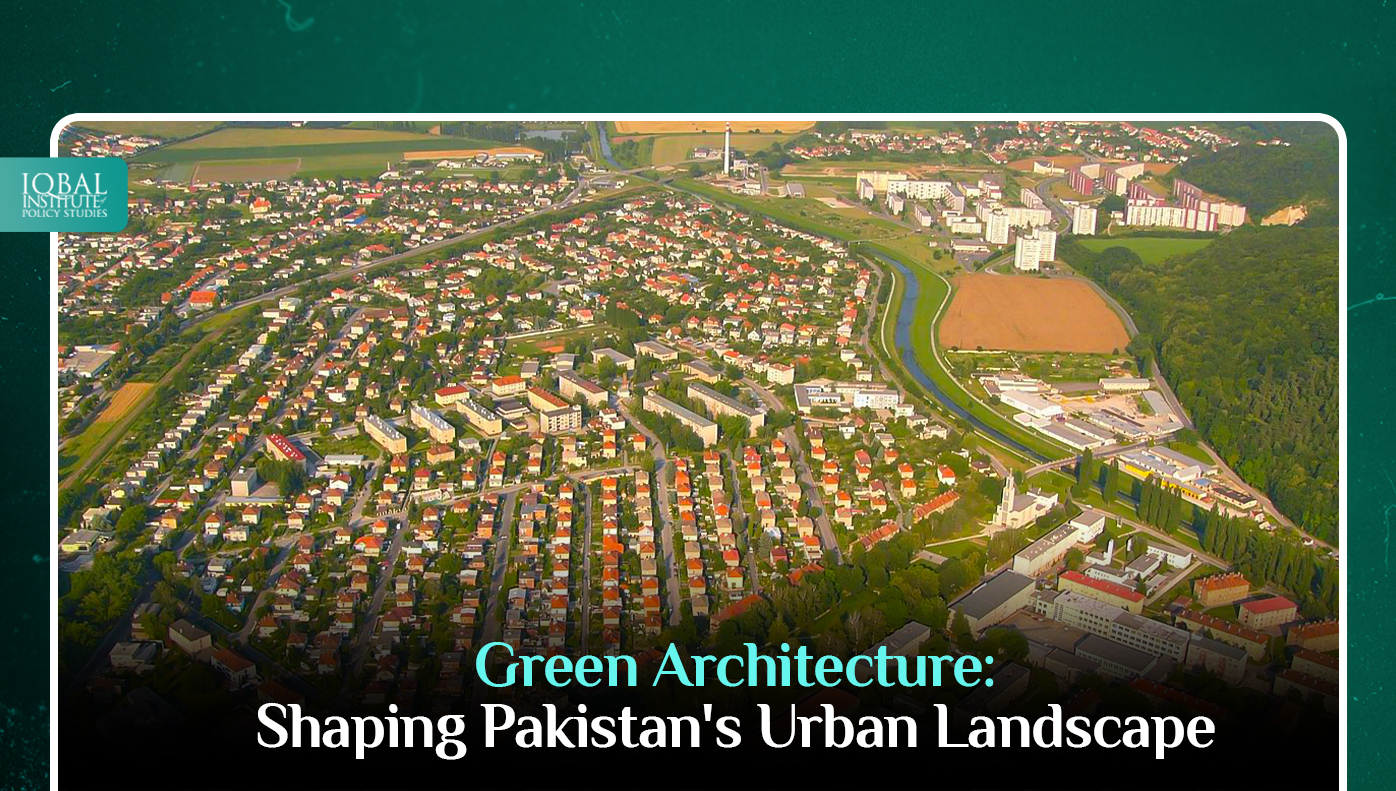
In the dynamic landscape of Pakistan, where history and culture intersect with the challenges of rapid urbanization, a transformative force is emerging—green architecture. This blog takes a detailed exploration into the multifaceted realm of green architecture, dissecting its potential to not only counter pressing environmental concerns but also redefine the socio-economic fabric of Pakistan’s burgeoning urban areas.
Environmental Imperatives and Urban Challenges
Pakistan, like many nations, grapples with a myriad of environmental challenges that demand urgent attention. From air and water pollution to deforestation and the looming specter of climate change, the nation faces a complex web of ecological issues. Rapid urbanization exacerbates these problems, putting additional strain on natural resources and ecosystems. In this context, the integration of green architecture becomes imperative as a solution to mitigate the environmental impact of urban development, fostering sustainable practices for the future.
Biophilic Design and Nature Integration
At the core of green architecture lies biophilic design, a principle that seeks to seamlessly integrate nature into the urban fabric. Drawing inspiration from traditional architectural practices, the incorporation of elements such as inner courtyards, vertical gardens, and green roofs not only enhances the aesthetic appeal of urban spaces but also serves to promote biodiversity and improve air quality. By reimagining the urban environment as a living ecosystem, green architecture strives to create sustainable and harmonious habitats that coexist with the natural world.
Energy-Efficiency as a Cornerstone
The energy landscape in Pakistan is marked by scarcity and inefficiency. Green architecture addresses this challenge by placing energy efficiency at the forefront of building design. Advocating for the widespread use of solar panels, passive heating and cooling systems, and advanced insulation techniques, green architecture aims to reduce the ecological footprint of urban structures. By harnessing renewable energy sources, cities can not only contribute to a sustainable energy landscape but also reduce dependence on conventional energy sources, thereby mitigating the impact of urbanization on the environment.
Sustainable Materials and Innovative Construction Practices
Conventional construction practices are major contributors to environmental degradation. Green architecture advocates for the use of sustainable materials such as recycled steel, bamboo, and reclaimed wood. This shift not only reduces the carbon footprint but also promotes responsible resource management. Embracing innovative construction methods like modular construction and green roofs further minimizes waste generation and maximizes resource efficiency. These practices not only contribute to environmental conservation but also set the stage for a more responsible and sustainable construction industry in Pakistan.
Community-Centric Design for Social Sustainability
Green architecture extends beyond physical structures to prioritize community-centric design. Urban spaces that focus on pedestrian-friendly zones, public parks, and community gardens not only enhance the social fabric of cities but also contribute to residents’ well-being. The creation of inclusive and accessible public spaces fosters a sense of belonging and connection among the inhabitants, promoting social sustainability. By placing people at the center of the design process, green architecture seeks to create cities that are not just environmentally sustainable but also socially vibrant and resilient.
Government Policies and Financial Incentives
The role of government is pivotal in steering the trajectory towards green architecture. Policymakers can catalyze change by implementing tax incentives for sustainable practices, enacting stringent building codes that prioritize energy efficiency, and investing in research and development for green technologies. Government support is crucial for creating an enabling environment that encourages the adoption of green architecture principles on a broader scale. By aligning policies with sustainability goals, the government can play a transformative role in shaping the future of urban development in Pakistan.
Challenges and Opportunities in Implementation
The implementation of green architecture in Pakistan presents a spectrum of challenges and opportunities that shape the trajectory of sustainable urban development. One significant challenge lies in the initial costs associated with adopting green technologies and materials, which can often be perceived as a barrier to entry for developers and builders. Moreover, a shortage of skilled professionals well-versed in green design poses another hurdle, necessitating comprehensive training programs to bridge this knowledge gap. The resistance to change within the construction industry, rooted in conventional practices, adds a layer of complexity to the adoption of sustainable methodologies.
However, within these challenges lie opportunities for transformative change. The initial costs, if viewed as long-term investments, offer substantial returns through energy savings and reduced environmental impact. Moreover, addressing the skills gap presents an opportunity for job creation and the development of a workforce specialized in green construction. Overcoming resistance to change requires collaborative efforts, governmental support, and awareness campaigns to emphasize the long-term benefits of green architecture, fostering a shift towards a more sustainable and resilient urban landscape in Pakistan.
Educational Initiatives and Public Awareness
To ensure the sustained success of green architecture, education and awareness campaigns are imperative. Incorporating sustainable design principles into architectural and urban planning curricula and raising public awareness about the benefits of green living can lay the foundation for a more eco-conscious and responsible society. Educational initiatives can empower the next generation of architects and urban planners with the knowledge and skills needed to integrate green principles into their work, fostering a mindset of sustainability that permeates the industry and society at large.
Conclusion
In navigating the complexities of urbanization, Pakistan stands at the crossroads of opportunity. Green architecture emerges not only as a solution to environmental challenges but as a catalyst for comprehensive urban transformation. By fostering collaboration between government bodies, architects, urban planners, and the community, Pakistan can embark on a sustainable trajectory, creating cities that are not just structures of concrete and steel but living ecosystems that thrive in harmony with nature. The journey towards green architecture is a multifaceted endeavor that requires concerted efforts from various stakeholders, but the potential rewards in terms of environmental resilience, energy efficiency, and enhanced quality of life for citizens make it a path worth pursuing.
This article is written by Radma Nouman. Radma is a research analyst at the Iqbal Institute of Policy Studies (IIPS).

Leave a Reply