
The birth of the first car is attributed to Karl Benz, a German engineer and inventor. In 1885, Benz successfully designed and built the Motorwagen, widely recognized as the world’s first true automobile. The Motorwagen was a three-wheeled vehicle powered by an internal combustion engine fueled by gasoline. Benz’s innovation marked a revolutionary departure from horse-drawn carriages, as the Motorwagen featured a chassis specifically designed to house the engine, a cooling system, and a simple yet effective steering mechanism. On January 29, 1886, Karl Benz received a patent for his invention, cementing his place in history as the pioneer of the automotive industry. The Motorwagen not only laid the foundation for modern automobiles but also set the wheels in motion for a transformative era in transportation.
Fast Forward to the 90’s: The Ultimate Era of JDM Cars
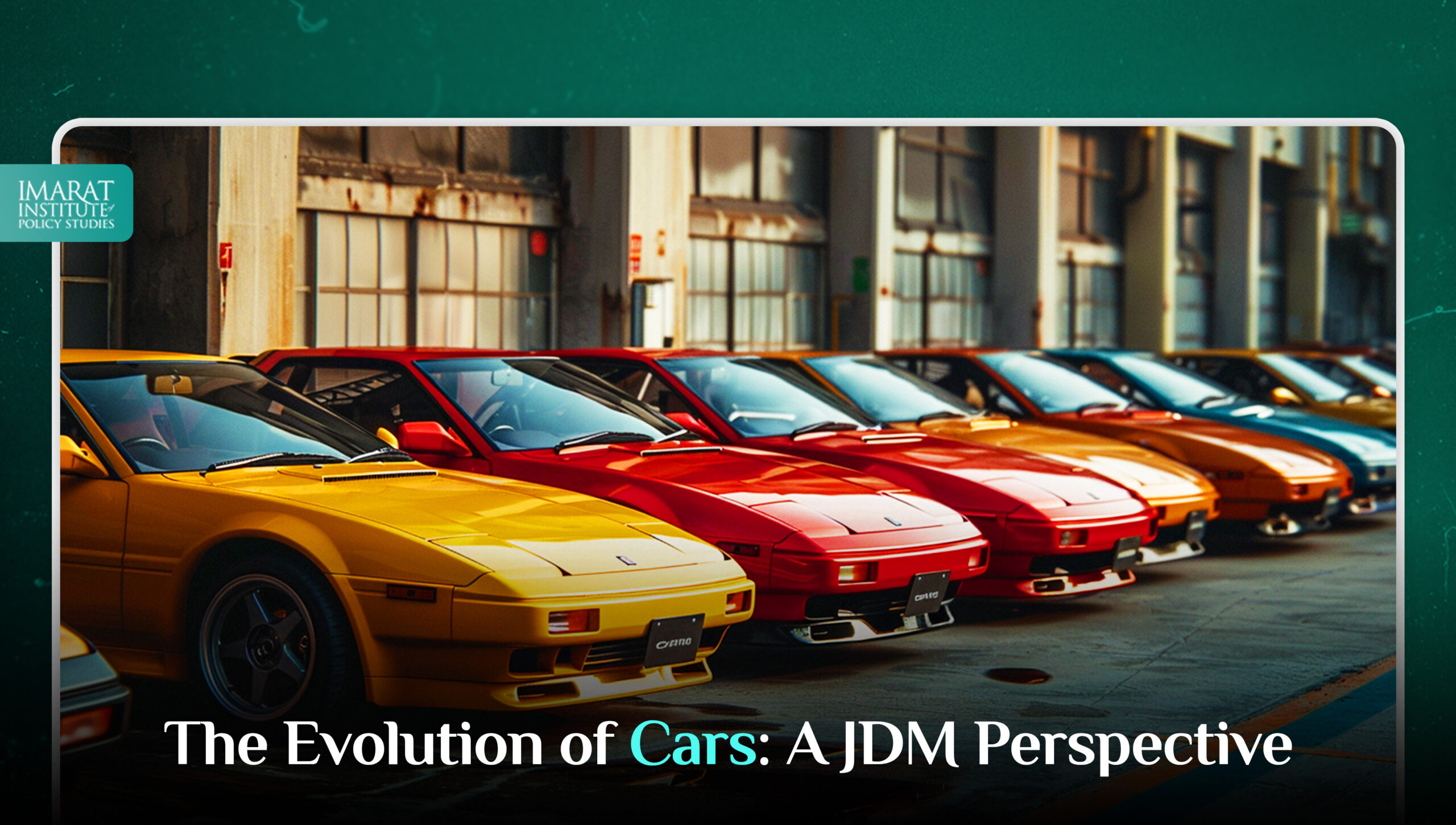
Fast forward to the 90s, a decade that witnessed the zenith of Japanese Domestic Market (JDM) cars, solidifying their legendary status among automotive enthusiasts. The 90s marked an era of groundbreaking innovation and unparalleled performance, with iconic models from Japanese manufacturers capturing the hearts of enthusiasts worldwide. Legendary vehicles like the Nissan Skyline GT-R, Toyota Supra, Mazda RX-7, and Honda NSX became emblematic symbols of precision engineering, cutting-edge technology, and a relentless pursuit of speed. The era was characterized by the “gentlemen’s agreement,” an unofficial pact among Japanese automakers to limit the top speed of their vehicles. However, this constraint fueled a competitive spirit, giving rise to the golden age of JDM cars that would later become coveted classics. With their sleek designs, powerful engines, and advanced technologies, JDM cars of the 90s left an indelible mark on automotive history, creating a legacy that continues to influence car culture and performance enthusiasts to this day.
The Ultimate Rivalry: Toyota Supra MK4 vs Nissan GTR R34
The rivalry between the Toyota Supra MK4 and the Nissan Skyline GT-R R34 is etched in the annals of automotive history as one of the most iconic duels between Japanese performance cars. The Toyota Supra MK4, particularly the legendary Supra Turbo, was celebrated for its sleek design, robust 2JZ engine, and its starring role in “The Fast and the Furious” franchise. The 2JZ-GTE engine, capable of immense power, made the Supra a tuner’s dream, easily achieving high horsepower figures with aftermarket modifications.
On the other side of the ring stood the Nissan Skyline GT-R R34, a car that elevated the GT-R legend with its advanced ATTESA E-TS Pro all-wheel-drive system and the powerful RB26DETT engine. The RB26DETT, with its twin-turbo configuration, showcased Nissan’s commitment to engineering excellence. The GT-R R34 earned its place in history not only for its prowess on the track but also for its dominant performance in motorsports, including victories at the famed Nürburgring.
Enthusiasts worldwide debated the merits of these two titans. The Supra MK4 was revered for its smooth inline-six engine and timeless design, while the GT-R R34 gained acclaim for its aggressive styling, exceptional handling, and track-oriented technology.
The rivalry reached its zenith on the streets and tracks, fueling the imaginations of fans and cementing the Supra and GT-R as legends in the world of high-performance cars. Even today, discussions comparing the Supra MK4 and GT-R R34 evoke passion and nostalgia, with each car representing an era when Japanese automakers dominated the performance scene and pushed the boundaries of what was possible in the automotive realm.
Final Results
With both the legendary JDM models, the MK4 and R34, one thing was common, which was the masterpiece engineering behind their engines. To this day, in 2023, these cars are still one of the fastest to perform due to their tuning capabilities. Therefore, it all depends on the amount of power each makes, the tune, and the skills of the driver to set these apart. The R34 and Supra are timeless masterpieces that will never lose their value or their charm. Neither will one come up on top of the other.
The Japanese Domestic Market Now
In the contemporary automotive landscape, the Japanese Domestic Market (JDM) continues to evolve, blending traditional craftsmanship with cutting-edge technology to produce cars that captivate enthusiasts worldwide. Japanese automakers such as Toyota, Honda, Nissan, and Subaru have redefined their approach, infusing their vehicles with a balance of performance, efficiency, and innovative design. The JDM market is characterized by a diverse array of models, ranging from compact and fuel-efficient city cars to high-performance sports cars and rugged off-road vehicles. Hybrid and electric technologies have gained prominence, reflecting Japan’s commitment to sustainability and environmental consciousness. The JDM’s influence extends globally, with enthusiasts seeking imported JDM models for their unique designs, technological features, and the legendary reliability that Japanese cars are renowned for. The contemporary JDM market not only pays homage to its rich heritage but also positions itself at the forefront of automotive innovation, ensuring that the allure of Japanese cars remains as potent as ever.
While the Japanese Domestic Market (JDM) continually introduces a diverse range of vehicles, some of the latest models have garnered considerable attention for their innovative features and performance. Among these is the Toyota GR Yaris, a compact and rally-inspired hatchback designed to deliver exhilarating driving experiences. Another notable addition is the Nissan Z, the latest iteration of the iconic Z-series sports car, blending modern aesthetics with a nod to its legendary predecessors. Honda has made waves with the Civic Type R, showcasing the brand’s commitment to high-performance capabilities. The Subaru WRX, with its rally heritage and all-wheel-drive prowess, remains a favorite among enthusiasts. As JDM manufacturers embrace eco-friendly technologies, hybrid models like the Toyota Prius and Honda Insight continue to make significant strides in fuel efficiency and sustainability. These latest JDM offerings reflect the industry’s dynamic evolution, where performance, innovation, and environmental consciousness converge to shape the future of Japanese automotive excellence. As far as the Supra and GTR are concerned, both manufacturers came out with the latest versions (Supra MK5 and the GTR R35), which still go head-to-head to this day.
The Future of JDM Cars
The future of Japanese Domestic Market (JDM) cars holds a fascinating trajectory, marked by a paradigm shift towards electric vehicles (EVs) and sustainable mobility. Japanese automakers, renowned for their commitment to innovation, are investing heavily in electric and hybrid technologies, envisioning a future where eco-friendly vehicles dominate the market. While this shift may initially pose challenges for traditional JDM enthusiasts who have long admired the roaring engines and turbocharged performance, it also heralds a new era of environmental responsibility. The introduction of electric JDM cars signifies a commitment to reducing carbon footprints and addressing climate change concerns. As the automotive industry pivots towards electric propulsion, the performance capabilities of EVs, including instant torque and seamless acceleration, promise an exciting evolution in the driving experience. Thus, while the transition to electric JDM cars may bring about a departure from traditional combustion engines, it simultaneously offers a chance to contribute to a more sustainable and eco-conscious automotive future. Ultimately, embracing electric JDM cars has the potential to save the planet while challenging enthusiasts to redefine their notion of automotive thrill and innovation.
Conclusion
In conclusion, the journey of Japanese Domestic Market (JDM) cars from their iconic heritage to the impending era of electric vehicles is a testament to the dynamic nature of the automotive industry. The legacy of JDM cars, rooted in performance, precision, and innovation, continues to shape the narrative of the automotive world. While the embrace of electric cars may signify a departure from the traditional roaring engines, it also signifies a commitment to a more sustainable and eco-conscious future. The latest and upcoming models from Japanese manufacturers reflect an industry in transition, where the fusion of cutting-edge technology, performance, and environmental responsibility paves the way for a new chapter in automotive history. As electric JDM cars become integral to the market, the intersection of tradition and innovation presents a unique opportunity — a chance for enthusiasts to redefine their connection with automobiles and contribute to a future where the thrill of driving aligns seamlessly with a commitment to preserving the planet. The future of JDM cars, characterized by electric powertrains and sustainable practices, beckons a harmonious coexistence of automotive passion and environmental stewardship.
This article is written by Shahmeer Adnan. Shahmeer is a research analyst at the Iqbal Institute of Policy Studies (IIPS).

Leave a Reply