
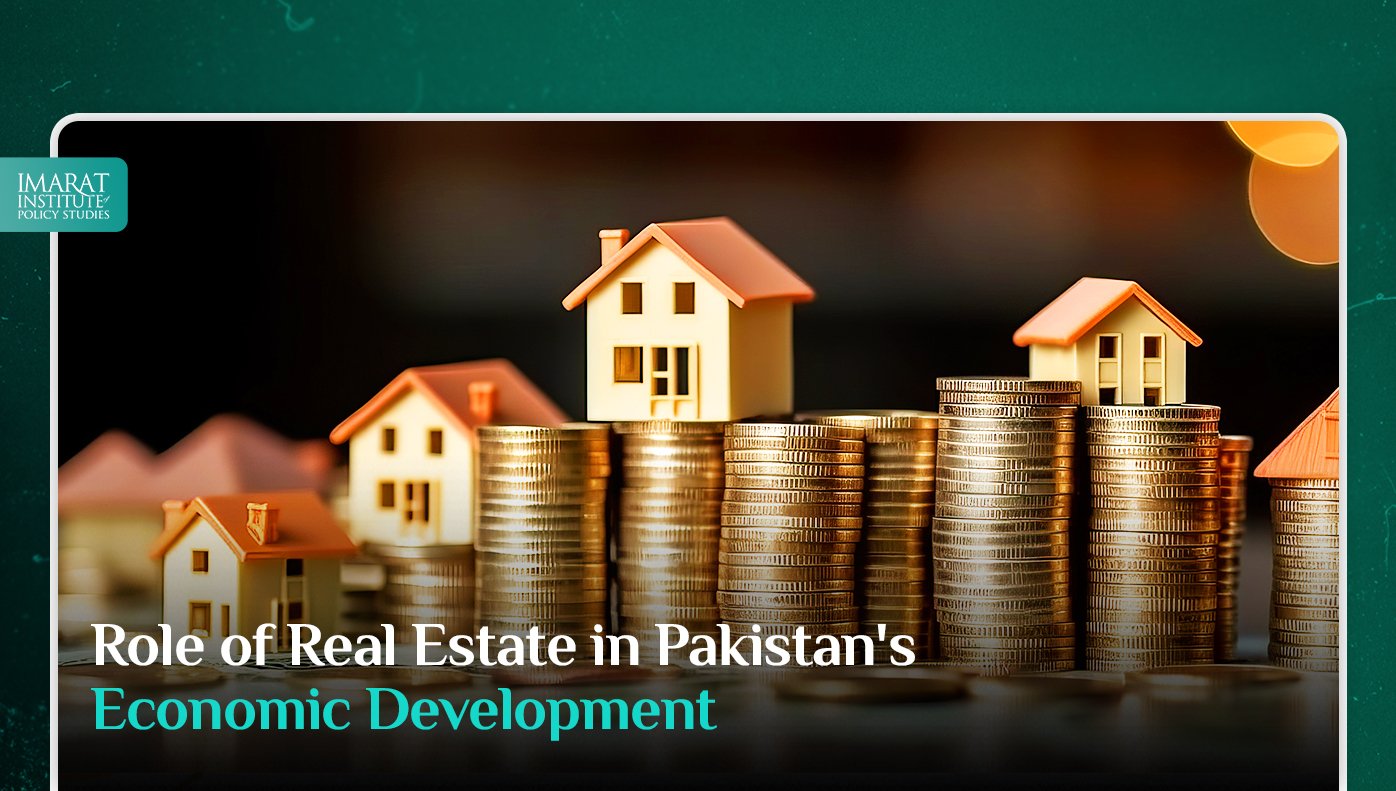
Real estate, a pivotal sector in the grand tapestry of economic development, plays a multifaceted and transformative role in shaping the economic landscape of Pakistan. In this comprehensive exploration, we delve into the intricate dimensions of the real estate industry, dissecting its influence on GDP growth, employment dynamics, infrastructure development, foreign direct investment (FDI), social impact, wealth creation, and government revenue. From the bustling urban centers to the remote corners of the country, the real estate sector’s fingerprints are indelibly imprinted on the nation’s journey towards progress.
GDP Growth Catalyst
The symbiotic relationship between the real estate sector and Pakistan’s economic growth is undeniable. The construction and housing industries, integral components of real estate, serve as engines propelling GDP expansion. The sector’s ability to generate demand for residential, commercial, and industrial spaces contributes significantly to economic activities, creating a ripple effect that resonates across various segments of the economy.
Employment Generation Dynamics
Akin to a well-oiled machine, the real estate sector serves as a robust generator of employment, encompassing a diverse array of skill sets. Highly specialized professionals such as architects and engineers find ample opportunities, while the labor force engaged in construction projects represents a substantial portion of the workforce. Beyond the direct employment opportunities, the sector’s influence extends to related industries, fostering a broad and interconnected employment ecosystem that bolsters the nation’s workforce.
Foreign Direct Investment (FDI) Influx
In the global economic arena, Pakistan’s real estate market has emerged as a beacon for foreign investors. Government initiatives, designed to streamline business processes and incentivize real estate investments, have led to a surge in Foreign Direct Investment (FDI). International investors not only inject capital into the market but also bring with them global best practices, cutting-edge technology, and a heightened level of competitiveness that elevates the industry’s standing on the international stage.
Infrastructure Development Nexus
Real estate and infrastructure development are inseparable companions in the journey of urbanization. As cities burgeon and populations swell, the demand for comprehensive infrastructure—ranging from roads and bridges to utilities—escalates. Real estate projects often act as catalysts for the creation and enhancement of essential amenities, resulting in improved connectivity, enhanced living standards, and a more robust foundation for economic activities.
Housing Solutions and Social Impact
The real estate sector shoulders a crucial responsibility in addressing Pakistan’s burgeoning housing crisis. With the rapid increase in population and urbanization, there is an ever-growing demand for affordable and sustainable housing solutions. Real estate developers are rising to the challenge, introducing innovative and inclusive housing projects that cater to various income brackets. This not only addresses the housing deficit but also contributes significantly to social development and poverty alleviation.
Wealth Creation and Investment Magnet
Beyond bricks and mortar, real estate serves as a time-tested and stable investment avenue in Pakistan. The allure of property ownership lies in its potential for long-term capital appreciation and the steady flow of rental income. Even in times of economic uncertainty, the resilience of the real estate market makes it an attractive option for both individuals and institutional investors seeking secure and profitable investments, thereby contributing to the creation and preservation of wealth.
Government Revenue and Taxation Dynamics
The real estate sector assumes a pivotal role in the generation of government revenue through taxes, stamp duties, and registration fees. The evolution of the taxation structure within Pakistan’s real estate market reflects a commitment to enhancing transparency and accountability. The funds generated through these channels play a vital role in financing public services, infrastructure projects, and other essential government initiatives that, in turn, foster a conducive environment for economic growth.
Challenges, Opportunities, and the Path Forward
The real estate sector in Pakistan, while a key driver of economic development, is not immune to a myriad of challenges. Regulatory complexities, bureaucratic hurdles, and issues related to land encroachments present formidable obstacles that demand nuanced solutions. Balancing the need for sustainable development practices with the imperative for rapid urbanization is another intricate challenge. However, within these challenges lie ample opportunities for growth and innovation.
The government, industry stakeholders, and investors can collaborate to streamline regulatory processes, introduce transparent land management systems, and embrace sustainable development principles. Harnessing technology for efficient land records management and introducing smart urban planning initiatives can pave the way for a more resilient and environmentally conscious real estate sector. Moreover, the increasing demand for affordable housing solutions opens doors for innovative business models and investment avenues.
By leveraging these opportunities and addressing challenges collaboratively, the real estate sector can chart a transformative path forward, contributing not only to economic development but also to sustainable and inclusive growth for Pakistan. This calls for a concerted effort from all stakeholders to navigate the complexities, seize opportunities, and collectively shape a future where the real estate sector serves as a cornerstone for a thriving and equitable economy.
Conclusion
In conclusion, the role of real estate in Pakistan’s economic development is intricate, expansive, and transformative. Beyond the numbers and statistics, the sector weaves a narrative of growth, opportunity, and societal impact. Recognizing the symbiotic relationship between real estate and economic development, it is imperative for all stakeholders—government, industry players, and investors—to collaborate strategically. In doing so, they can ensure sustained and inclusive growth, paving the way for a prosperous future for Pakistan in the years to come.
This article is written by Radma Nouman. Radma is a research analyst at the Imarat Institute of Policy Studies (IIPS).

Leave a Reply