
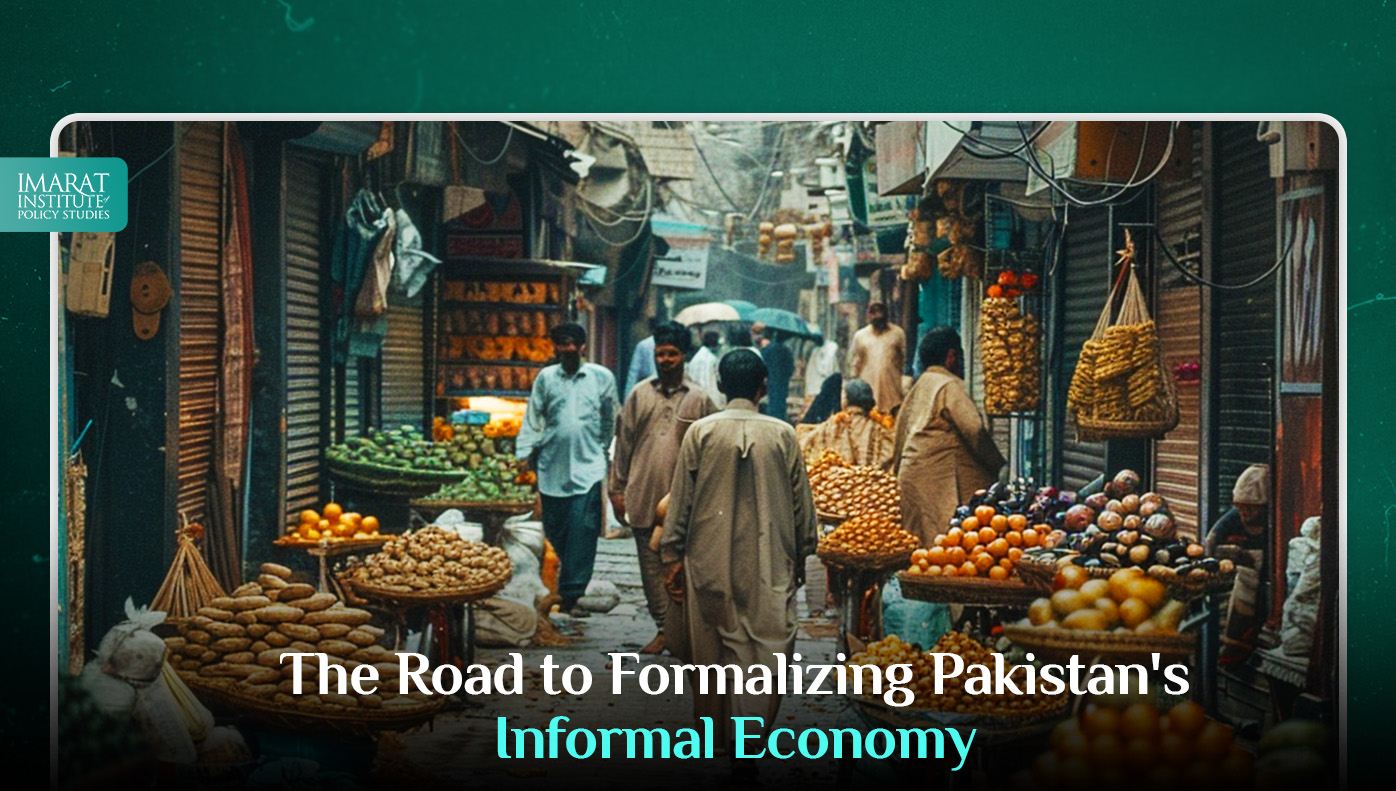
In the intricate tapestry of Pakistan’s economic panorama, the informal sector emerges as a robust but oft-overlooked force, representing a substantial portion of the workforce and economic activities. As we embark on a journey to delve into the depths of formalizing Pakistan’s informal economy, it becomes imperative to understand the intricacies, challenges, and potential strategies that can unleash the transformative power of this shadowed sector.
Understanding Pakistan’s Informal Economy
The informal sector, a heterogeneous conglomerate ranging from street vendors and small businesses to freelance workers and unregistered enterprises, stands as a dynamic yet marginalized force. Operating in the peripheries of the formal economy, these businesses and workers grapple with the absence of legal recognition, regulatory oversight, and access to institutional support. The pervasive informality often translates into precarious working conditions, limited social protection, and exclusion from mainstream financial services.
Challenges Faced by the Informal Sector
The challenges faced by the informal sector in Pakistan are multifaceted, presenting impediments to growth, stability, and overall well-being:
Limited Access to Finance
The absence of formal recognition and financial transparency restricts informal businesses and workers from accessing essential financial services. This constraint hampers their ability to invest, expand, or withstand economic uncertainties.
Lack of Legal Recognition
Many informal enterprises operate in the shadows without legal registration, leaving them without protection and recourse in the face of disputes, legal challenges, or unforeseen adversities.
Informal Social Security
The absence of structured social security mechanisms exposes informal workers to vulnerabilities related to health, education, and retirement, perpetuating a cycle of economic uncertainty.
Regulatory Barriers
The convoluted and often outdated regulatory frameworks act as formidable barriers, discouraging businesses and workers from transitioning to the formal economy, further entrenching informality.
The Imperative for Formalization
Economic Growth and Stability
Formalizing the informal sector is not merely an administrative measure but a strategic imperative for catalyzing economic growth and ensuring long-term stability. The inclusion of informal businesses into the formal economy expands the tax base, providing the government with additional revenue streams. As these businesses become part of the formal sector, they contribute to the broader economic ecosystem, fostering entrepreneurial ventures and stimulating economic activity. Moreover, the formalization process enhances the overall economic stability by bringing about a more regulated and transparent business environment, attracting both domestic and foreign investments.
Job Creation
The transition to a formalized economy goes hand in hand with the creation of a conducive environment for job generation. Formal businesses, operating within a stable and regulated market, are more likely to invest in expansion, innovation, and human capital development. This translates into increased employment opportunities across various sectors. The formalization process, by promoting a more secure and predictable business environment, encourages businesses to hire more workers, contributing significantly to reducing unemployment rates and fostering sustainable economic development.
Social Inclusion
Formalization serves as a powerful catalyst for social inclusion, addressing long-standing issues of poverty and inequality. When the informal sector is integrated into the formal economy, workers gain legal recognition and social protection. This recognition ensures that the rights of workers are safeguarded, including access to fair wages, proper working conditions, and avenues for dispute resolution. By extending social protection, such as healthcare benefits and retirement plans, formalization uplifts the socio-economic status of workers, fostering a more equitable society that values and protects the well-being of all its members.
Access to Finance
One of the immediate benefits of the formalization process is improved access to financial resources for businesses. Formal enterprises are more likely to be eligible for loans, credit facilities, and other forms of financial support from formal financial institutions. This newfound access empowers businesses to invest in technology, training programs, and expansion initiatives. By securing financial backing, formal businesses can enhance their competitiveness, adopt modern technologies, and explore new markets. This not only contributes to the growth of individual businesses but also stimulates broader economic development, creating a positive cycle of investment and prosperity.
Strategies for Formalizing Pakistan’s Informal Economy
The multifaceted nature of informal economic activities necessitates a nuanced and comprehensive approach to formalization:
Simplified Regulatory Frameworks
Initiating a process of reforming and simplifying regulatory processes can encourage informal businesses to register and operate within the legal framework. This streamlining reduces bureaucratic hurdles and cultivates a conducive environment for formalization.
Financial Inclusion Initiatives
A key facet involves promoting financial literacy and expanding access to banking services, enabling the integration of informal businesses into the formal financial system. This not only enhances their financial management but also serves as a crucial step towards formalization.
Technology Adoption
Leveraging technology proves instrumental in the formalization journey. The integration of digital platforms for transactions, online registration processes, and tech-enabled business solutions can streamline operations, reduce barriers to formalization, and enhance efficiency.
Capacity Building
Empowering informal workers and businesses through targeted training programs and support initiatives becomes paramount. Enhancing their skills, productivity, and understanding of legal and regulatory requirements fosters a culture of compliance and professional growth.
Social Security Programs
Introducing or expanding social security programs tailored for the unique needs of the informal sector is essential. These programs provide a safety net for workers, incentivizing them to formalize their activities while addressing critical concerns related to health, education, and retirement.
Public Awareness Campaigns
Raising awareness about the benefits of formalization and the risks associated with operating in the informal sector is a pivotal component. Public perception plays a crucial role in shaping behaviors, and targeted awareness campaigns can contribute to a positive shift in attitudes towards formal economic engagement.
Conclusion
The road to formalizing Pakistan’s informal economy is a nuanced and intricate journey that demands coordinated efforts from policymakers, businesses, and society at large. By comprehensively addressing the challenges faced by the informal sector and implementing a strategic array of targeted strategies, Pakistan has the potential to unlock the immense economic potential within its informal economy. The transformative impact of formalization extends beyond mere economic indicators, promising a more resilient, equitable, and sustainable future for the nation. As Pakistan embarks on this transformative path, the empowerment of the unseen workforce not only reshapes the economic landscape but also lays the foundation for a more inclusive and prosperous society.
This article is written by Radma Nouman. Radma is a research analyst at the Imarat Institute of Policy Studies (IIPS).

Leave a Reply