
In a world continually shaped by technological advancements, the educational landscape in Pakistan is poised for a transformative journey into the realms of digital learning. This blog embarks on a comprehensive exploration of the potential and challenges associated with integrating digital technologies into the educational framework of Pakistan. From fostering inclusivity and accessibility to revolutionizing pedagogical approaches, the digital learning frontiers hold the promise of empowering learners and educators alike.
The Digital Divide: Bridging Gaps in Access and Connectivity
One of the primary challenges on the road to digital empowerment is the digital divide that separates those with access to technology from those without. This section delves into efforts aimed at bridging this gap, exploring initiatives focused on providing affordable devices, expanding internet infrastructure, and ensuring equitable access to digital learning resources across urban and rural areas.
In urban centers, strides are being made to ensure that students have access to affordable devices and a robust internet connection. However, rural areas often face infrastructure challenges, and initiatives are underway to address this gap. Government programs and private-sector collaborations are essential in creating a level playing field, ensuring that all students, regardless of their geographical location, can harness the benefits of digital learning.
From Blackboards to Screens: Transforming Pedagogy Through E-Learning
Digital learning isn’t merely a shift from traditional blackboards to digital screens; it represents a fundamental transformation in pedagogical approaches. This segment explores how e-learning platforms, interactive multimedia content, and virtual classrooms are reshaping the dynamics of teaching and learning in Pakistani educational institutions. Real-life success stories and case studies illustrate the positive impact of digital tools on student engagement and understanding.
The traditional one-size-fits-all approach to education is evolving into a personalized and adaptive model through digital tools. Teachers are now leveraging multimedia content to make lessons more interactive, catering to diverse learning styles. Virtual classrooms transcend geographical boundaries, enabling students to access quality education from the comfort of their homes. This shift not only enhances the learning experience but also prepares students for the dynamic and digital-centric future.
EdTech Innovations: Revolutionizing Learning Experiences
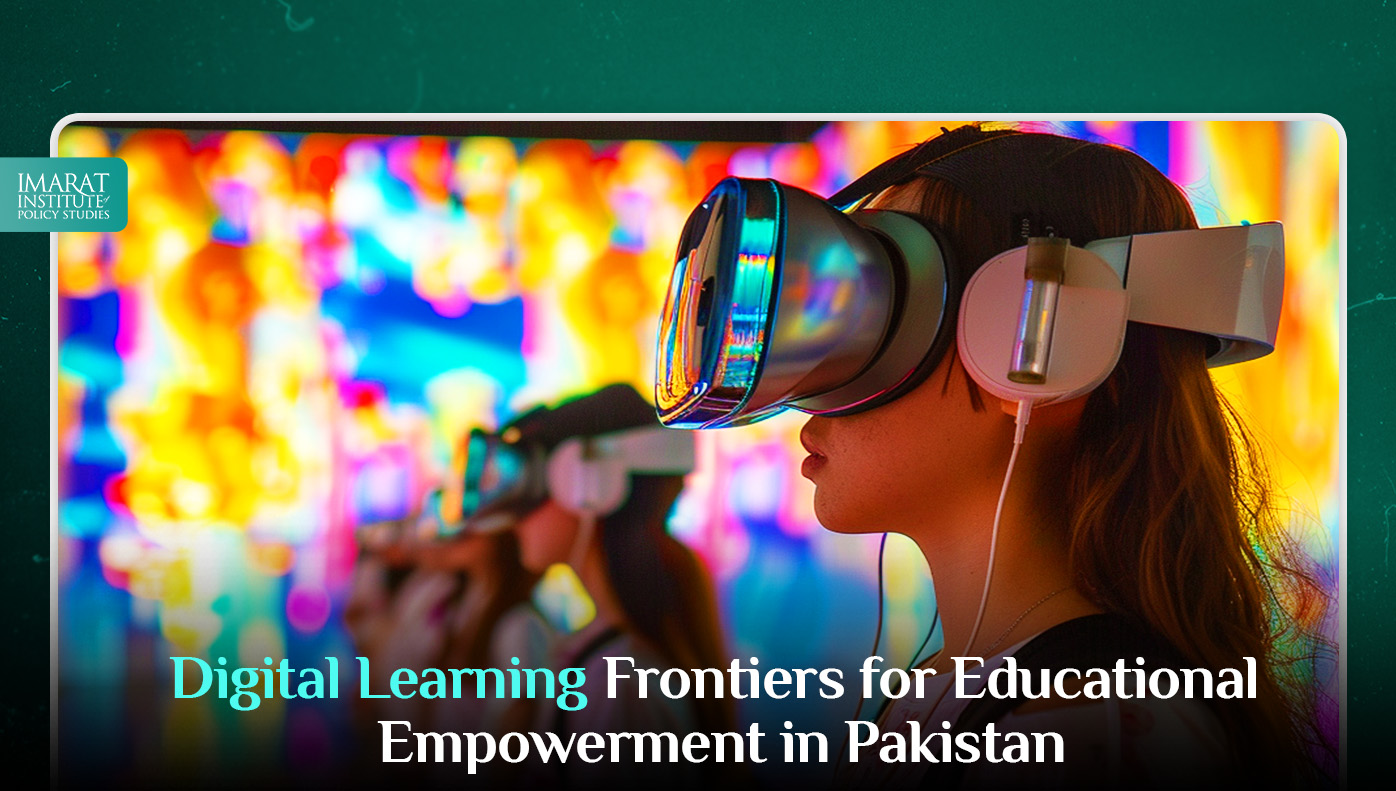
As educational technology (EdTech) continues to evolve, this section explores innovative tools and platforms that are reshaping learning experiences in Pakistan. Virtual reality (VR) field trips, gamified learning apps, and artificial intelligence (AI)-driven adaptive learning systems are discussed as key players in the quest for more personalized, engaging, and effective educational experiences.
In the realm of EdTech innovations, virtual reality is emerging as a game-changer, providing students with immersive experiences that transcend the limitations of traditional teaching methods. Gamified learning apps not only make education enjoyable but also foster competition and collaboration among students. Additionally, AI-driven adaptive learning systems analyze individual learning patterns, tailoring educational content to meet the specific needs of each student. These technological breakthroughs represent a paradigm shift in how students engage with and absorb educational content.
Inclusivity in Education: Empowering Marginalized Communities Through Digital Learning
Digital learning has the potential to break down barriers and empower marginalized communities in Pakistan. From remote areas with limited access to quality education to populations with special needs, this segment explores how digital tools and platforms are making education more inclusive and adaptable to diverse learning needs. Case studies and success stories shed light on initiatives making a difference in the lives of those traditionally underserved by the education system.
In the pursuit of inclusive education, digital learning becomes a powerful equalizer. Initiatives targeting remote areas focus on establishing digital learning centers, providing students with access to online resources and interactive lessons. For students with special needs, assistive technologies are revolutionizing their learning experiences, making education more accessible and tailored to individual requirements. These efforts not only bridge educational gaps but also contribute to the broader goal of creating a more equitable society.
Challenges on the Digital Horizon: Addressing Concerns and Reservations
While the digital learning revolution holds immense promise, it comes with its own set of challenges. This section navigates through concerns related to digital literacy, data security, and the potential pitfalls of overreliance on technology. A nuanced discussion delves into the measures needed to mitigate these challenges and ensure that the benefits of digital learning are maximized while risks are minimized.
As digital learning gains momentum, the importance of digital literacy cannot be overstated. Students and educators alike need to be equipped with the skills to navigate digital platforms, critically evaluate online information, and safeguard their digital identities. Addressing concerns about data security and privacy requires robust frameworks and policies. Moreover, striking a balance between traditional and digital teaching methods is crucial to prevent overreliance on technology and maintain the essential human element in education.
Teacher Training in the Digital Era: Empowering Educators for a Tech-Enabled Future
As classrooms evolve into digital spaces, the role of educators transforms as well. This segment explores the importance of teacher training programs designed to equip educators with the skills and confidence needed to navigate the digital realm effectively. Interviews with teachers who have undergone such training provide insights into the transformative impact on teaching methodologies and student outcomes.
The success of digital learning hinges on the preparedness of educators to navigate the digital landscape. Teacher training programs are instrumental in empowering educators with the skills to integrate technology seamlessly into their teaching methods. These programs cover a spectrum of topics, from mastering digital tools to adapting curriculum delivery for online platforms. Interviews with educators who have undergone such training shed light on their experiences, challenges faced, and the positive impact on student engagement and outcomes.
The Role of Government Policies: Paving the Way for Digital Educational Empowerment
Government policies play a pivotal role in shaping the trajectory of digital learning in Pakistan. This section examines the current state of policies related to digital education, evaluating their effectiveness and exploring potential reforms. A comparative analysis with international best practices offers a roadmap for policymakers to leverage digital technologies for educational empowerment.
The role of the government in fostering digital educational empowerment is multifaceted. Policymakers need to formulate comprehensive strategies that encompass infrastructure development, digital literacy initiatives, and curriculum integration. Regulatory frameworks must address issues related to online safety, data protection, and quality assurance. Collaborative efforts involving government bodies, educational institutions, and technology stakeholders are essential to creating an environment conducive to the effective implementation of digital learning initiatives.
Student Perspectives: Navigating the Digital Learning Landscape
The heart of any educational transformation lies in the experiences of students. This segment features interviews and testimonials from students across various age groups, exploring their perceptions of digital learning. Insights into challenges faced, benefits realized, and suggestions for improvement provide a valuable perspective on the impact of digital learning on the student community.
Students, the ultimate beneficiaries of digital learning, offer invaluable insights into the effectiveness of these initiatives. Interviews with students capture their experiences, from the challenges of adapting to digital platforms to the benefits of interactive learning tools. The diverse perspectives of students shed light on how digital learning is influencing their academic journeys, fostering self-directed learning, and preparing them for a technology-driven future.
Conclusion
As Pakistan stands at the cusp of a digital educational renaissance, this concluding section synthesizes key insights from the exploration of digital learning frontiers. It underscores the potential for transformative change, emphasizing the need for continued collaboration, investment, and adaptability to ensure that digital empowerment becomes a cornerstone of educational progress in Pakistan. The blog closes with a vision for a future where digital learning is not just a tool but a catalyst for empowering generations of learners, educators, and communities across the nation.
In conclusion, the digital learning frontiers in Pakistan represent a paradigm shift in education, offering opportunities for inclusivity, personalized learning, and improved educational outcomes. While challenges persist, the collective efforts of stakeholders, policymakers, educators, and students are paving the way for a future where digital empowerment is synonymous with educational excellence. The journey towards a tech-enabled educational landscape is a dynamic and ongoing process, and as Pakistan embraces this digital renaissance, it positions itself on the global stage as a progressive force in the realm of education.
This article is written by Radma Nouman. Radma is a research analyst at the Iqbal Institute of Policy Studies (IIPS).

Leave a Reply