
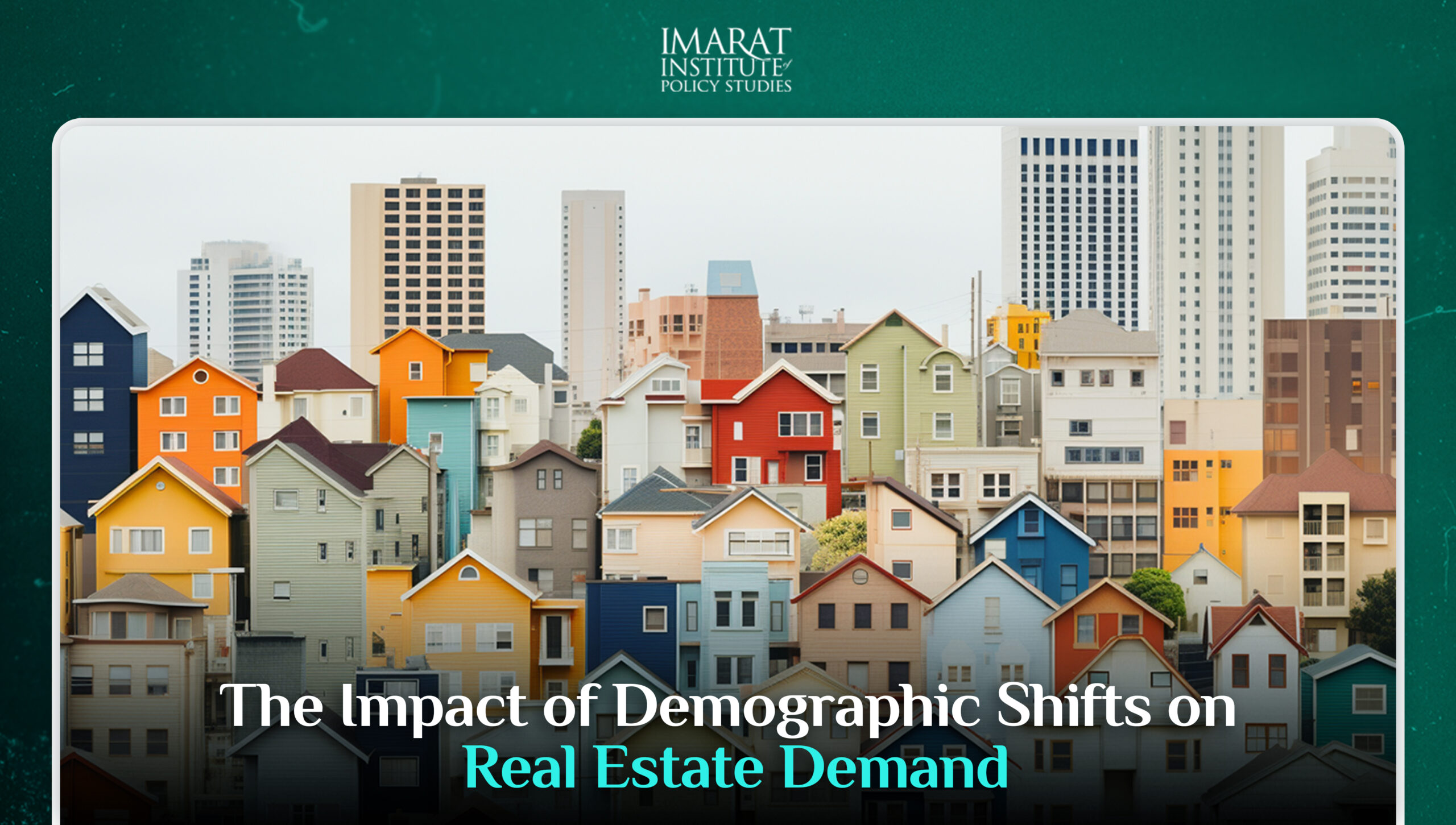
A demographic shift influences different aspects of a nation’s economy, and the real estate sector is no exception. Countries undergo notable changes in their population makeup, and this is altering how people purchase homes. Population growth, age, and household income directly affect the demand for housing and property values. Investors can gain a competitive advantage and seize emerging trends by comprehending historical and current demographic patterns and considering their impact on the market. Moreover, the future demand for real estate worldwide will be influenced by demographic changes. Growth is expected to be driven by major cities, especially in the developing world. Simultaneously, smaller, dynamic cities will maintain their appeal to younger populations due to robust knowledge economies and high-quality living standards. Therefore, for success in the real estate sector, professionals must comprehend the needs and preferences of diverse groups, adapting strategies to evolving demographics. By positioning themselves for success, stakeholders can capitalize on opportunities in this dynamic environment by staying informed about the ways changing demographics impact the real estate market.
Demographic Shifts in Population
As the population ages, the demand for housing tailored to seniors is on the rise. Senior living communities are gaining popularity, and there’s a growing need for modifications in existing homes to accommodate aging-in-place.On the flip side, the millennial generation is making its mark, influencing urban development and shaping preferences for specific amenities. Currently, millennials constitute the largest share of home buyers at 43%, marking a rise from 37% reported in 2021 (NAR, 2022). Additionally, the emerging Generation Z is entering the real estate market, bringing with them unique preferences and lifestyle choices that will impact housing and community development. A study by Property Shark reveals that 83% of Generation Z plan to purchase homes within the next five years (Karimi, 2023).
Urbanization Trends
Migration patterns play a pivotal role in reshaping urban and suburban real estate. Secondary and tertiary cities are experiencing growth, challenging the dominance of traditional urban hubs. For instance, the surge in Pakistan’s population and swift urbanization have created significant challenges in ensuring adequate and affordable housing. According to the latest census data from 2017, Pakistan’s population witnessed a substantial 57% increase from 1998 to 2017. Projections indicate that the urban population is anticipated to expand by 2.3 million individuals annually over the next two decades. This surge translates into a demand for 360,000 households, assuming an average of 6.3 individuals per household (Husain, 2022). Furthermore, the influence of remote work is also transforming location preferences, with a shift towards non-traditional locations as the demand for flexible work arrangements continues to rise.
Diversity and Inclusion in Housing
In the evolving landscape of housing, there is a growing emphasis on diversity and inclusion, recognizing the multifaceted needs of our communities. Affordable housing initiatives stand as a cornerstone, with collaborative efforts from governments and real estate professionals aimed at ensuring housing options remain accessible across various income levels. This approach seeks to bridge economic disparities, making strides toward a more inclusive housing market where individuals and families from diverse backgrounds can find suitable and affordable homes. Additionally, considering and respecting different cultures in community planning is a crucial part of this change in approach. Urban development now prioritizes understanding and including the diverse cultural aspects of our communities. Planners aim to design housing projects that reflect these cultural nuances, creating environments where residents feel a strong sense of belonging. This not only strengthens community identity but also contributes to the well-being and unity of the diverse populations living in these spaces. At the same time, strategies like addressing housing disparities and encouraging homeownership play a vital role in creating a housing environment that is fair, just, and inclusive for everyone.
Economic Implications
While demographic shifts present opportunities, they also pose challenges. Affordability concerns are becoming more prominent as home prices and rental rates are affected. For example, in Pakistan, approximately 29.5% of households live in affordable housing based on the rent-to-income ratio criteria, while 38% live in affordable housing when considering rent, including transportation, to income criteria. The average income for affordable housing units is 36,491 rupees, whereas for unaffordable housing units, it is 23,184 rupees. This highlights that the lower-income group is more likely to be caught in the net of unaffordability (Yasir, 2017).
Governments are responding with initiatives to address these concerns and ensure that housing remains accessible. Real estate professionals must consider the economic implications and identify investment opportunities that align with the changing demographics.
Future Projections and Adaptation Strategies
With demographic shifts and technological advancements shaping the industry, a forward-looking approach is crucial for success. Real estate professionals are tasked with anticipating future trends, such as the impact of changing demographics and the integration of technology in property transactions. Strategies for adaptation include proactive collaboration with urban planners and policymakers to stay abreast of upcoming changes. The integration of cutting-edge technology is also pivotal in meeting evolving consumer preferences and expectations. This encompasses innovative tools for property visualization, virtual reality experiences, and streamlined digital processes. By embracing these future-oriented strategies, real estate professionals can not only stay competitive but also contribute to the seamless evolution of the real estate industry in the years to come.
Conclusion
Understanding and adapting to demographic shifts are essential for real estate success. By staying informed about the preferences and needs of different age groups, embracing diversity, and proactively responding to economic changes, real estate professionals can navigate the shifting tides and position themselves for success in the years to come. The key lies in embracing change and viewing demographic shifts not as challenges but as opportunities for innovation and growth in the real estate industry.
References
Husain, T. (2022, February 7). Demand for housing and demographics. The Express Tribune. Retrieved January 1, 2024, from https://tribune.com.pk/story/2342298/demand-for-housing-and-demographics
Karimi, M. J. (2023, October 30). Unlike Millennials, Generation Z Is Expected to Drive the Housing Market. LinkedIn. Retrieved January 1, 2024, from https://www.linkedin.com/pulse/unlike-millennials-generation-z-expected-drive-market-mary-jayne/
NAR. (2022, March 23). NAR Report Shows Share of Millennial Home Buyers Continues to Rise. National Association of REALTORS®. Retrieved January 1, 2024, from https://www.nar.realtor/newsroom/nar-report-shows-share-of-millennial-home-buyers-continues-to-rise
Yasir, M. (2017). Determinants of Affordable Housing in Urban Areas of Pakistan: Supply and Demand Side Perspectives – PIDE Thesis. PIDE Thesis. Retrieved January 1, 2024, from https://thesis.pide.org.pk/thesis/determinants-of-affordable-housing-in-urban-areas-of-pakistan-supply-and-demand-side-perspectives/
This article is written by Haneen Gul. Haneen is a research analyst at the Iqbal Institute of Policy Studies (IIPS).

Leave a Reply