
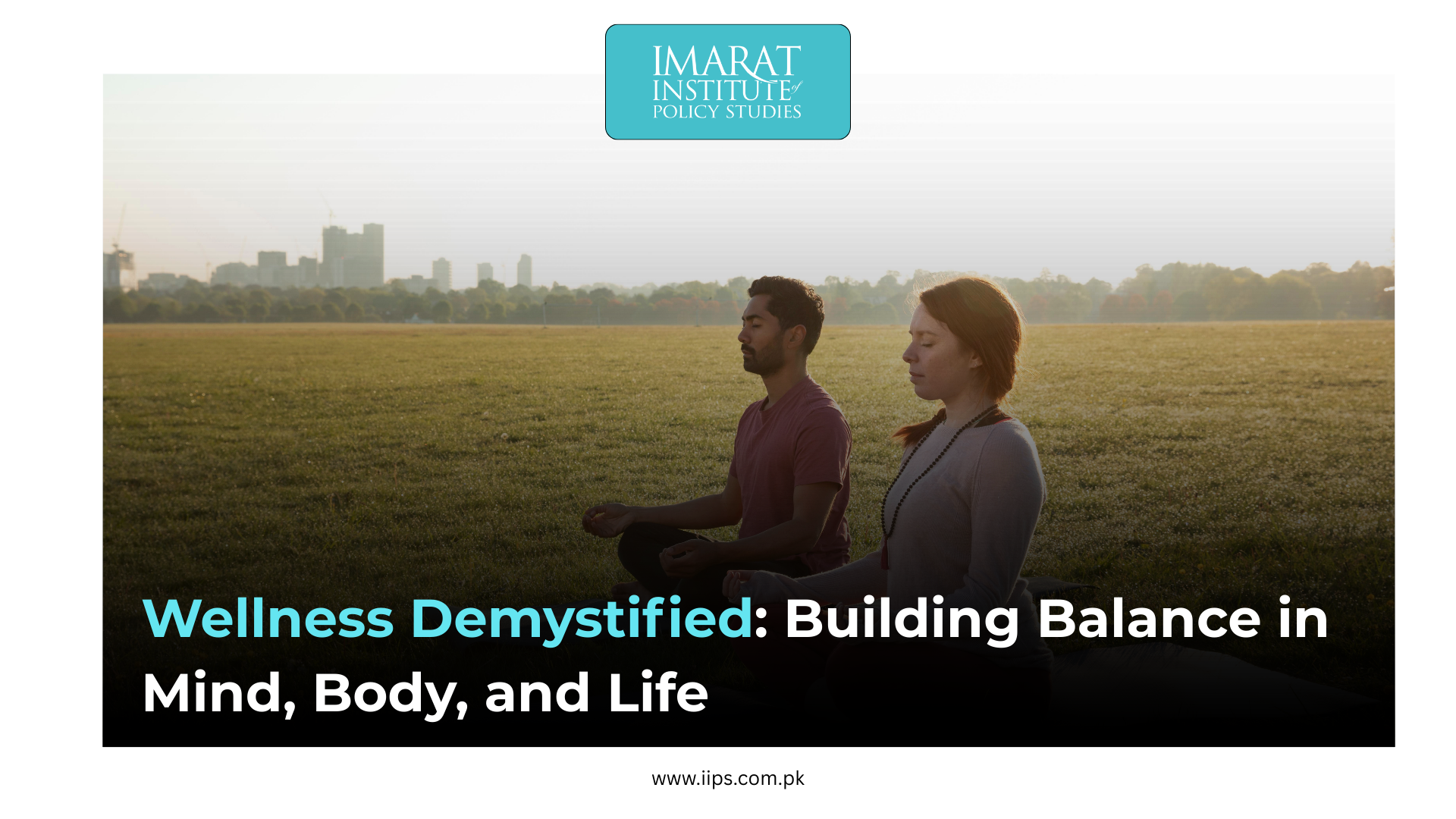
Imagine waking up. Your alarm goes off. But before you even rise, your phone is buzzing. Notifications, missed calls, reminders, they all demand your attention as soon as your eyes open. Your mind feels heavy, your heart races, and your body wakes slowly, still carrying the weight of yesterday.
If this doesn’t feel unusual, then you are not alone. In a world that moves fast, where work and digital life never stop, mental fatigue has become a normal part of daily life. That is why wellness is no longer a luxury. It is a necessity.
This blog begins our series on wellness. Our goal is to help you understand what wellness truly is in today’s world.
What Does Wellness Look Like Today?
Wellness goes beyond just eating healthy or exercising. It is a holistic state of being, where your mental health, emotional balance, physical energy, rest habits, and surroundings all work together.
Here are the five key pillars of wellness in the modern world:
- Mental Clarity: How well your mind focuses, how calm your thoughts are
- Emotional Balance: How you understand and manage your feelings
- Physical Vitality: Your energy, strength, and health
- Rest and Recovery: Quality sleep, breaks, and managing stress
- Supportive Environment: Spaces that help you feel grounded
When one of these areas suffers, the others often feel the impact. True wellness comes when you work to strengthen all of them, step by step.
Why Wellness Is More Critical Than Ever
The world does not stop. Working, texting, scrolling, everything feels constant. This relentless pace affects not only our mood but also our global productivity and economy.
Important Statistics to Highlight
- Depression and anxiety cause the loss of 12 billion working days every year, costing the global economy 1 trillion US dollars annually (WHO, 2024).
- Every 1 US dollar invested in treating depression and anxiety returns 4 US dollars in better health and productivity (WHO 2016).
- More than 1 billion people globally are living with mental health conditions such as anxiety and depression (WHO 2025).
These figures are not just numbers. They show how deeply mental health impacts our world, personally, socially, and economically.
Small Practices That Make a Big Difference
Wellness does not demand radical transformation. It is built on small, daily habits that accumulate over time.
Here are some simple, actionable practices you can start today:
- Drink a glass of water first thing in the morning before checking your phone
- Take a 10-minute walk a day (during a break or after work)
- Eat one nourishing meal mindfully, without rushing or multitasking
- Practice 3 minutes of slow, deep breathing
- Try going to bed 30 minutes earlier than usual
- Spend 5 minutes in silence, no screens, no distractions
- Sit quietly for a moment before jumping into your day
These small actions may feel insignificant now, but over time, they bring about real change, more balance, more energy, and more peace.
The Deep Connection Between Mind and Body
One of the most powerful discoveries in wellness is how deeply your mind and body are connected. What happens in one often affects the other.
Here are some ways you may already feel this connection:
- Stress in your mind translating into headaches or tension
- Anxiety disrupting sleep or digestion
- Physical exhaustion making it hard to focus mentally
- A walk or light movement lifting your mood
- A healthy meal giving you mental clarity or emotional steadiness
Wellness is not just about treating your body. It’s about caring for both your mind and body together.
How Your Environment Shapes Your Well-Being
Your surroundings, your home, your workplace, your daily spaces, matter more than you realize. They shape how you feel and how you behave.
Here are environmental elements that support wellness:
- Natural light and open space
- Clean, uncluttered rooms
- Furniture that is comfortable and intentional
- Colors and textures that soothe, not drain
- Gentle background sounds or quiet
- Greenery or natural elements
Wellness-focused hospitality uses these principles to design spaces that feel like a refuge, a quiet place to recharge.
Wellness Is a Personal Journey
There is no universal wellness plan that works for everyone. Each person’s journey is different because each person is different.
Ask yourself these questions to start building your own wellness path:
- What drains my energy each day?
- What makes me feel calm, alive, or peaceful?
- When during the day am I most grounded or most scattered?
- Which habits feel nourishing to me, and which feel draining?
- What type of space makes me feel safe and centered?
Your answers will guide you in building routines and habits that work for you, not someone else’s version of “well.”
Your Wellness Journey Begins Now
Wellness does not demand perfection. You do not need to change everything overnight. The journey begins with noticing how you feel, making small, intentional choices, and creating habits that support your true self.
Change happens when consistency meets intention. A balanced mind, a grounded body, and a calm environment are not distant dreams. They can be your reality.
Thank you for starting this journey with us. In the next blog, we will explore how to build a holistic wellness routine that fits your life, not just the wellness ideal.
References
- World Health Organization (WHO). Mental health at work. 2 September 2024.
https://www.who.int/news-room/fact-sheets/detail/mental-health-at-work World Health Organization - World Health Organization (WHO). Investing in treatment for depression and anxiety leads to fourfold return. 13 April 2016.
https://www.who.int/news/item/13-04-2016-investing-in-treatment-for-depression-and-anxiety-leads-to-fourfold-return World Health Organization+1 - World Health Organization (WHO). Over a billion people living with mental health conditions – services require urgent scale-up. 2 September 2025.
https://www.who.int/news/item/02-09-2025-over-a-billion-people-living-with-mental-health-conditions-services-require-urgent-scale-up World Health Organization+1
This article is written by Rehan Zahid. Rehan is a research analyst at the Iqbal Institute of Policy Studies (IIPS).

Leave a Reply