
In recent times, urban design has increasingly prioritized sustainability. As cities undergo continual growth and expansion, the significance of integrating green spaces within residential neighborhoods cannot be overstated. These areas not only furnish residents with a rejuvenating natural setting but also deliver a multitude of advantages that enhance the community’s overall quality of life and welfare. Moreover, in both developed and developing nations, urban areas grapple with the challenge of swift population expansion. This surge is largely driven by the rapid pace of urbanization, resulting in heightened pressure on urban space, which is progressively becoming more congested. Therefore, it is imperative to underscore the vital necessity for Urban Green Spaces, encompassing parks, urban forests, playgrounds, sidewalks, green belts, and riverbanks.
Benefits of Urban Gardening
Urban gardening offers a myriad of benefits, ranging from environmental to health and community advantages. Some of them are as follows;
Improved Access to Fresh Produce
Urban gardening allows individuals and communities to grow their own fruits, vegetables, herbs, and other edible plants right in their neighborhoods. This direct access to fresh produce contributes to healthier diets and reduces reliance on store-bought produce, which may have traveled long distances and lost some of its nutritional value.
Environmental Sustainability
Urban gardening promotes environmental sustainability by increasing green spaces in cities and mitigating the urban heat island effect. Plants absorb carbon dioxide and release oxygen, improving air quality and reducing pollution levels. Additionally, urban gardens help manage stormwater runoff, thus reducing the risk of flooding and soil erosion in urban areas.
Community Building and Social Connection
Community gardens and shared urban green spaces bring people together, fostering a sense of community and social connection. Gardening activities provide opportunities for neighbors to interact, share knowledge, and collaborate on common goals. These shared experiences strengthen community bonds and create a sense of belonging among residents.
Stress Reduction and Mental Wellbeing
Engaging in gardening activities, whether it is planting, watering, or harvesting, has been shown to reduce stress levels and improve mental wellbeing. The act of connecting with nature and nurturing living plants has a calming effect on the mind and helps individuals unwind from the stresses of urban life. Urban gardens also provide tranquil spaces for relaxation and contemplation amidst the hustle and bustle of the city.
Types of Urban Gardening
From container gardening on balconies to rooftop gardens and vertical planters, there are numerous ways to harness the potential of urban spaces for gardening. Each type of urban gardening offers unique opportunities for individuals and communities to cultivate their own green oasis in the midst of the concrete jungle.
Container Gardening
Container gardening involves growing plants in pots, containers, or other vessels rather than directly in the ground. This method is ideal for urban environments where space is limited, such as balconies, patios, and windowsills. A wide range of plants, including herbs, vegetables, flowers, and even small fruit trees, can thrive in containers, allowing urban dwellers to cultivate greenery in confined spaces.
Rooftop Gardening
Rooftop gardening involves transforming rooftops into productive green spaces by installing planter boxes, raised beds, or green roofs. Rooftop gardens help mitigate the urban heat island effect, reduce energy consumption by insulating buildings, and provide habitat for wildlife. They also offer residents and businesses opportunities to grow food, create recreational areas, and improve the aesthetic appeal of their properties.
Vertical Gardening
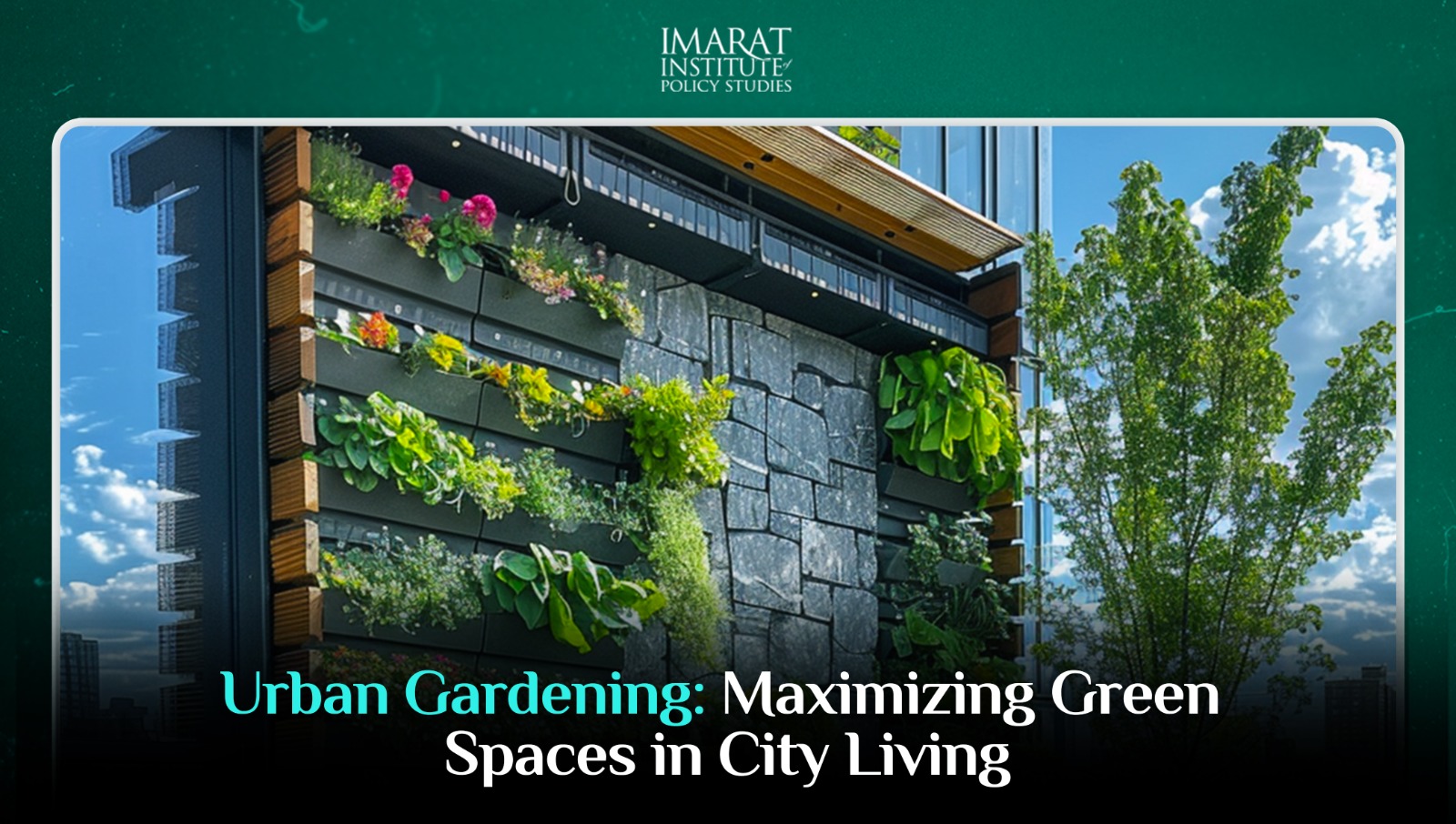
Vertical gardening utilizes vertical surfaces such as walls, fences, and trellises to grow plants vertically, maximizing space efficiency in urban environments. Vertical gardens can take various forms, including living walls, trellis systems, and modular planters. This method allows urban gardeners to grow a wide range of plants vertically, conserving space while adding visual interest and greenery to urban landscapes.
Community Gardens
Community gardens are shared green spaces where individuals or groups come together to cultivate plants collaboratively. These gardens can be located on vacant lots, public parks, or privately owned land, providing residents with access to gardening space and fostering a sense of community and social connection. Community gardens often feature individual plots for participants to grow their own crops as well as communal areas for shared activities and gatherings.
Indoor Gardening
Indoor gardening involves growing plants indoors, typically in homes, apartments, offices, or other indoor spaces. This method allows urban dwellers to garden year-round regardless of outdoor weather conditions and provides opportunities to grow plants that may not thrive outdoors in urban environments. Indoor gardens can range from small herb gardens on kitchen windowsills to elaborate setups with grow lights and hydroponic systems, catering to a wide range of preferences and skill levels.
Maximizing Green Spaces in City Living
Following are some of the ways to maximize green spaces in city living.
Assessing Available Space
The first step in maximizing green spaces in city living is to assess the available space. Whether you live in an apartment, condominium, or townhouse, there are likely unused areas that can be repurposed for gardening. Balconies, windowsills, rooftops, and even walls can serve as potential gardening spots. Take stock of these spaces and consider their size, exposure to sunlight, and accessibility to determine the best options for gardening.
Utilizing Balconies and Windowsills
For urban dwellers with limited outdoor space, balconies, and windowsills offer valuable opportunities for gardening. Container gardening is a popular choice for balconies and windowsills, allowing residents to grow a variety of plants in pots, planters, or hanging baskets. Choose compact and lightweight containers that fit the available space and select plants that thrive in containers, such as herbs, lettuces, and small flowering plants.
Harnessing Rooftops for Gardening
Rooftops are often overlooked as potential gardening spaces, but they can be transformed into productive green areas with the right infrastructure and planning. Rooftop gardens help reduce the urban heat island effect, improve air quality, and provide habitat for wildlife. Install raised beds, planter boxes, or green roofs to create a rooftop garden and grow a variety of plants, including vegetables, fruits, herbs, and flowers. Ensure proper drainage and structural support when designing rooftop gardens to prevent water damage and structural issues.
Exploring Vertical Gardening Options
Vertical gardening is a space-efficient technique that maximizes greenery by growing plants vertically on walls, fences, or trellises. Vertical gardens can take various forms, from living walls and trellis systems to modular planters and hanging gardens. Choose plants that are well-suited for vertical growth, such as climbing vines, trailing plants, and compact varieties of herbs and vegetables. Vertical gardens not only add visual interest to urban spaces but also help improve air quality and provide habitat for pollinators.
Creating Communal Green Areas
In addition to individual gardening efforts, urban dwellers can collaborate with neighbors and community members to create communal green areas. Community gardens, shared green spaces, and public parks offer opportunities for residents to come together, share resources, and cultivate greenery collectively. Get involved in local community gardening initiatives, join neighborhood associations, or start a gardening club to create and maintain communal green areas in your city.
Conclusion
Urban gardening is not just about growing plants; it is about cultivating a sense of connection to nature and fostering sustainable living practices in urban environments. By embracing urban gardening, we can transform our cities into greener, healthier, and more vibrant places to live.
This article is written by Haneen Gul. Haneen is a research analyst at the Imarat Institute of Policy Studies (IIPS).

Leave a Reply