

In recent times, the resurgence of multigenerational living has sparked a reevaluation of the traditional family home. Fueled by a variety of factors such as economic considerations, cultural traditions, and a desire for strengthened familial bonds, the trend towards multiple generations cohabiting under one roof has become a defining feature of modern living. This blog takes a deep dive into the intricate process of adapting homes to suit the diverse needs of multigenerational households. From foundational design principles to the practical implementation of key considerations, we explore how to create an inclusive, harmonious, and functional living space for families spanning various generations.
Understanding the Dynamics of Multigenerational Living
Understanding the dynamics of multigenerational living is paramount to successfully adapting homes to cater to the diverse needs of each family member. At its core, multigenerational living is a nuanced arrangement where grandparents, parents, and children coexist under one roof, creating a rich tapestry of relationships and interactions. This living dynamic is characterized by a blending of experiences, perspectives, and generational roles, necessitating a thoughtful approach to design. It involves recognizing the unique contributions each generation brings to the household, from the wisdom and experience of older family members to the vibrancy and evolving needs of the younger ones. Moreover, the dynamics extend beyond the daily routines and activities, encompassing shared responsibilities, caregiving structures, and the fostering of a collective identity. A successful adaptation requires a deep understanding of these dynamics, ensuring that the living space not only accommodates individual needs but also facilitates meaningful connections and mutual support, thus creating a harmonious environment that transcends generational boundaries.
Key Considerations for Adapting Homes
Privacy and Independence
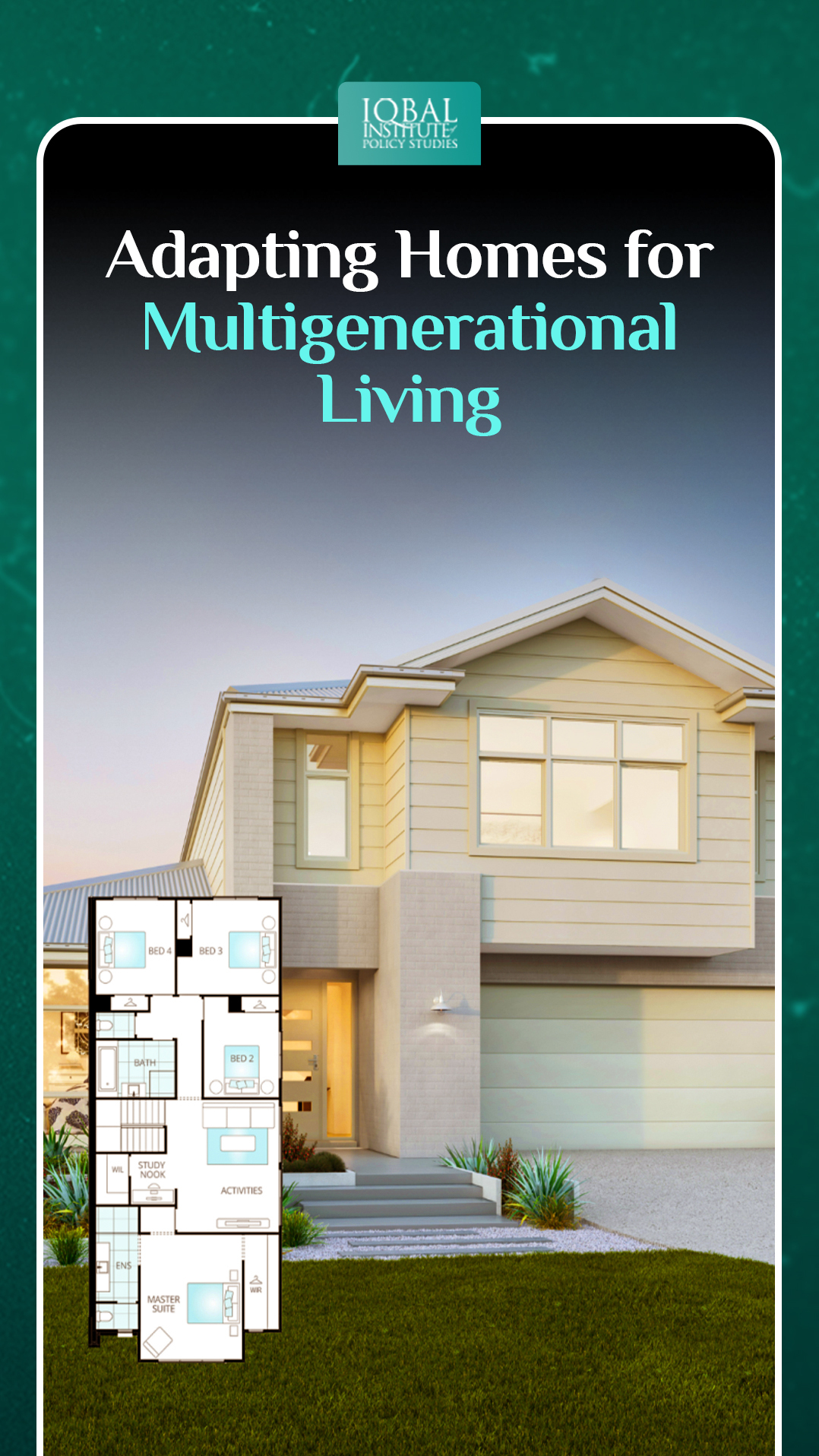
In the pursuit of cultivating a harmonious living environment, designing private spaces for each generation is foundational.
Options such as separate living quarters or allocating specific floors to older generations provide the necessary autonomy for each family member.
Universal Design Principles
The implementation of universal design principles becomes imperative to ensure the home caters to individuals of all ages and abilities.
Integrating features like ramps, wider doorways, and grab bars is essential for maintaining accessibility, particularly for elderly family members.
Flexible Spaces
The creation of flexible, multipurpose spaces serves as a linchpin for adaptability in response to changing family dynamics over time.
Leveraging adaptable furniture and storage solutions allows for seamless reconfiguration to accommodate evolving needs and preferences.
Safety Features
A paramount concern in multigenerational homes is safety, and this involves incorporating features such as non-slip flooring, well-lit hallways, and strategically placed handrails.
The integration of smart home technologies further enhances security and monitoring capabilities within the living environment.
Shared Common Areas
Fostering a sense of togetherness necessitates the creation of well-designed common areas where family members can gather comfortably.
Thoughtful designation of spaces for family meals, shared activities, and socializing promotes interaction and unity across different generations.
Separate Living Zones
Creating distinct living zones within the home serves not only to minimize conflicts but also contributes significantly to overall harmony.
Addressing concerns related to noise and privacy through thoughtful design elements and soundproofing measures is crucial for a cohesive living experience.
Consideration for Aging-in-Place
A forward-thinking approach involves planning for the long term by incorporating features that facilitate aging-in-place for older family members.
Features such as handrails in bathrooms, step-in showers, and adjustable countertops not only enhance accessibility but also contribute to the longevity of the living space.
Energy Efficiency and Sustainability
Beyond the immediate considerations, integrating energy-efficient and sustainable design elements serves to reduce the environmental impact of the home.
Exploring renewable energy sources, efficient insulation, and the use of eco-friendly building materials contributes to the creation of a greener living space with long-term benefits.
Conclusion
Adapting homes for multigenerational living transcends the conventional notions of architectural design; it is an intricate process of creating dynamic, responsive spaces that evolve with the changing needs of the family. By prioritizing privacy, safety, flexibility, and sustainability, families can craft homes that not only serve immediate needs but also become nurturing havens fostering unity across generations. As the trend of multigenerational living continues to gain momentum, these considerations stand as pillars in the construction of homes that embody the essence of familial interconnectedness and provide enduring support for diverse family structures. The journey towards a truly harmonious multigenerational home involves a blend of thoughtful design, adaptability, and a commitment to creating spaces that resonate with the ever-changing dynamics of family life.
This article is written by Radma Nouman. Radma is a research analyst at the Iqbal Institute of Policy Studies (IIPS).

Leave a Reply