

In a world often characterized by sleek lines and muted color palettes, maximalist interior design stands out as a bold and vibrant departure from the minimalist trend. This blog takes you on a journey into the world of maximalism, exploring its principles, key elements, and the artistry behind creating rich and expressive interiors that defy the notion of less is more.
The Essence of Maximalism
Minimalism, known for its simplicity and emphasis on essential elements, has long dominated design trends. Maximalism, on the other hand, revels in excess and embraces the idea that more is, indeed, more. It’s a celebration of color, pattern, texture, and a fearless mixing of diverse styles and influences.
A Symphony of Colors and Patterns
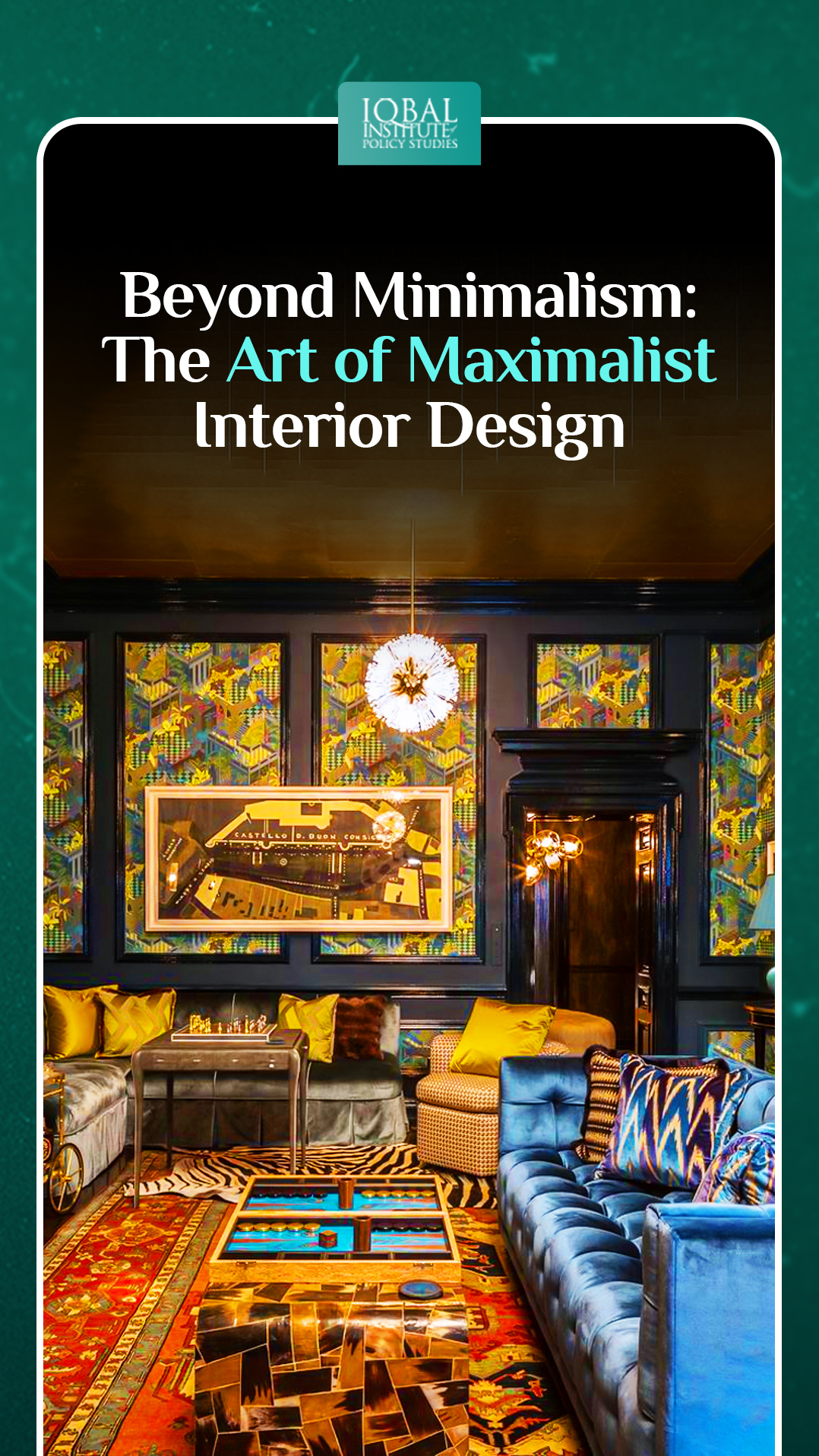
At the heart of maximalist design is a vibrant and daring use of color. Forget neutral tones; maximalist interiors burst forth with an array of rich, contrasting hues. Whether it’s bold jewel tones, vibrant primary colors, or intricate patterns, maximalism invites a riot of color into every corner.
Layering and Textures
Maximalist interiors are characterized by layers of textures that create a sense of depth and opulence. Plush rugs, velvet upholstery, intricate wallpapers, and elaborate drapery contribute to the tactile richness of the space. It’s about creating an environment that feels luxurious and inviting at every touchpoint.
Eclectic Furnishings and Styles
In maximalist design, there are no strict rules. Furniture pieces from different eras, styles, and cultural influences coexist harmoniously. Antiques sit alongside modern pieces, and Eastern aesthetics merge with Western influences, resulting in a visually stimulating and eclectic fusion.
Personalized Collections and Statement Pieces
Maximalism provides a canvas for showcasing personal collections and cherished items. From gallery walls displaying an array of artworks to shelves adorned with travel souvenirs and vintage finds, every piece contributes to the narrative of the space. Statement furniture and bold, eye-catching décor items take center stage, creating focal points that demand attention.
Embracing Bold Patterns
Stripes, florals, geometric shapes – maximalism encourages the unapologetic use of bold patterns. Whether on walls, upholstery, or accessories, patterns play a pivotal role in creating visual interest and complexity. The key is to fearlessly mix and match patterns to achieve a harmonious and dynamic composition.
Breaking Free from Symmetry
While symmetry is often a fundamental principle in design, maximalism thrives on breaking free from the constraints of perfect balance. Asymmetry is embraced, creating a sense of movement and energy in the space. Unexpected placements and arrangements contribute to the lively and dynamic atmosphere.
Overcoming Minimalism Stereotypes
Maximalism challenges the stereotypes associated with minimalism, proving that a rich and vibrant aesthetic can be just as sophisticated and intentional. It’s about self-expression, creativity, and creating spaces that tell a unique and personal story.
Conclusion
Maximalist interior design offers a liberating departure from the simplicity of minimalism, inviting individuals to embrace their unique style and surround themselves with a kaleidoscope of colors, patterns, and textures. It’s a rebellion against the notion that less is always more, and a celebration of the idea that sometimes, more is simply extraordinary. As we explore the art of maximalism, we discover a world where every element tells a story, and every corner is a canvas for self-expression.
This article is written by Shahmeer Adnan. Shahmeer is a research analyst at the Iqbal Institute of Policy Studies (IIPS).

Leave a Reply