
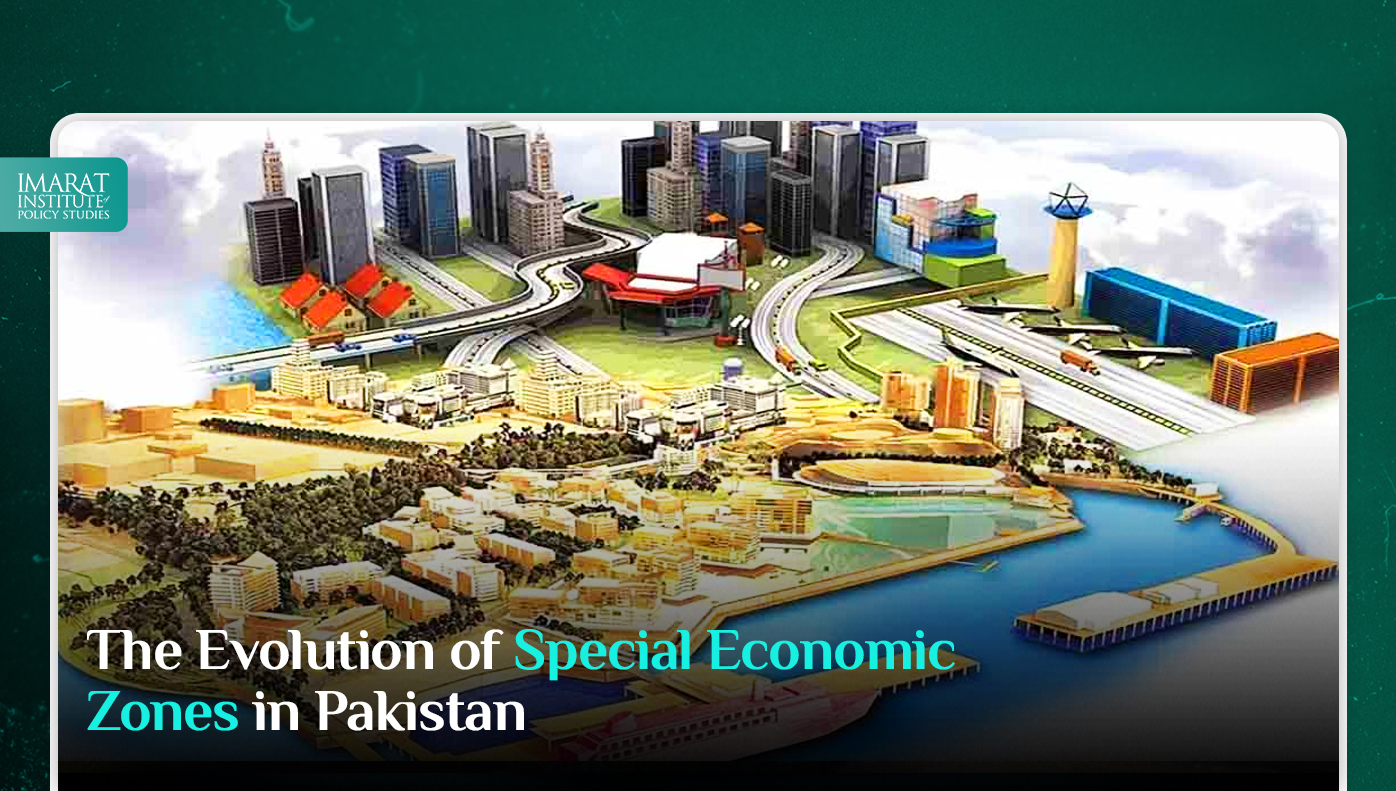
Special Economic Zones (SEZs) have emerged as pivotal instruments driving economic growth and industrial development in Pakistan. Over the years, these zones have evolved significantly, adapting to changing economic landscapes and policy frameworks. In this blog, we embark on a journey through the evolution of SEZs in Pakistan, tracing their inception, development, and transformative impact on the country’s economy.
Inception and Early Development
The concept of SEZs in Pakistan traces its roots back to the 1980s when the government introduced the Export Processing Zones (EPZs) Ordinance, laying the groundwork for these specialized economic zones. Initially established to promote exports and attract foreign investment, the first EPZs, such as the Sialkot and Karachi EPZs, focused on manufacturing and export-oriented industries. These early zones served as testing grounds for the SEZ model, providing valuable insights into their potential to spur economic growth and industrialization.
Expansion and Diversification
As Pakistan’s economy evolved, so too did the scope and scale of SEZs in the country. In the early 2000s, the government launched a comprehensive SEZ policy aimed at creating a conducive environment for investment and industrial development. This policy shift led to the establishment of new SEZs across the country, catering to a diverse range of industries, including textiles, automobiles, electronics, and information technology. Additionally, the introduction of Special Economic Zones Authority (SEZA) further streamlined the regulatory framework and provided institutional support for SEZ development, facilitating investment and enhancing competitiveness.
Integration with CPEC
The China-Pakistan Economic Corridor (CPEC) has emerged as a game-changer for SEZ development in Pakistan. As part of the CPEC framework, several SEZs have been identified as key nodes for industrial cooperation and economic integration between the two countries. These strategic SEZs, such as the Gwadar Port Free Zone and Rashakai Economic Zone, aim to leverage Pakistan’s strategic location and China’s expertise in manufacturing to create industrial hubs that serve both domestic and international markets. The integration of SEZ development with CPEC represents a significant milestone in Pakistan’s quest for economic transformation and regional connectivity.
Innovation and Sustainability
In recent years, SEZs in Pakistan have increasingly focused on innovation, sustainability, and technology-driven industries. The emergence of knowledge-based SEZs, such as IT parks and innovation clusters, reflects a shift towards high-value-added activities and knowledge-intensive sectors. Moreover, there is a growing emphasis on environmental sustainability and green technologies, with SEZs incorporating eco-friendly practices and renewable energy solutions into their design and operations. These initiatives not only enhance the competitiveness of SEZs but also contribute to Pakistan’s broader sustainable development goals.
Challenges and Future Outlook
Despite their successes, SEZs in Pakistan also face several challenges, including bureaucratic hurdles, infrastructure deficiencies, and geopolitical uncertainties. Addressing these challenges will require continued investment in infrastructure, regulatory reforms, and institutional capacity-building. Moreover, ensuring inclusive growth and equitable distribution of benefits from SEZ development will be crucial to maximizing their potential as engines of economic growth. Looking ahead, the future of SEZs in Pakistan appears promising, with opportunities for further expansion, diversification, and integration with global value chains. By embracing innovation, sustainability, and collaboration, SEZs can continue to play a central role in Pakistan’s journey towards economic prosperity and development.
Socioeconomic Impact
Beyond their economic contributions, SEZs in Pakistan have also had a profound socioeconomic impact on the communities surrounding them. These zones have served as catalysts for job creation, skill development, and poverty alleviation, particularly in underserved regions. By providing employment opportunities and fostering entrepreneurship, SEZs have empowered local residents and enhanced their standard of living. Additionally, the infrastructure development spurred by SEZ projects has improved access to education, healthcare, and other essential services, further enhancing the quality of life for nearby communities. Moreover, SEZs have stimulated investment in social infrastructure, such as schools, hospitals, and community centers, strengthening social cohesion and fostering a sense of belonging among residents. As engines of socioeconomic development, SEZs have the potential to transform lives and uplift entire communities, contributing to a more inclusive and equitable society in Pakistan.
Conclusion
In conclusion, the evolution of Special Economic Zones in Pakistan represents a journey of innovation, adaptation, and transformative growth. From their inception as export-oriented enclaves to their integration with CPEC and focus on innovation and sustainability, SEZs have played a pivotal role in shaping Pakistan’s economic landscape. As the country continues on its path towards industrialization and development, SEZs are poised to remain key drivers of growth, job creation, and investment, paving the way for a prosperous and sustainable future.
This article is written by Radma Nouman. Radma is a research analyst at the Iqbal Institute of Policy Studies (IIPS).

Leave a Reply