
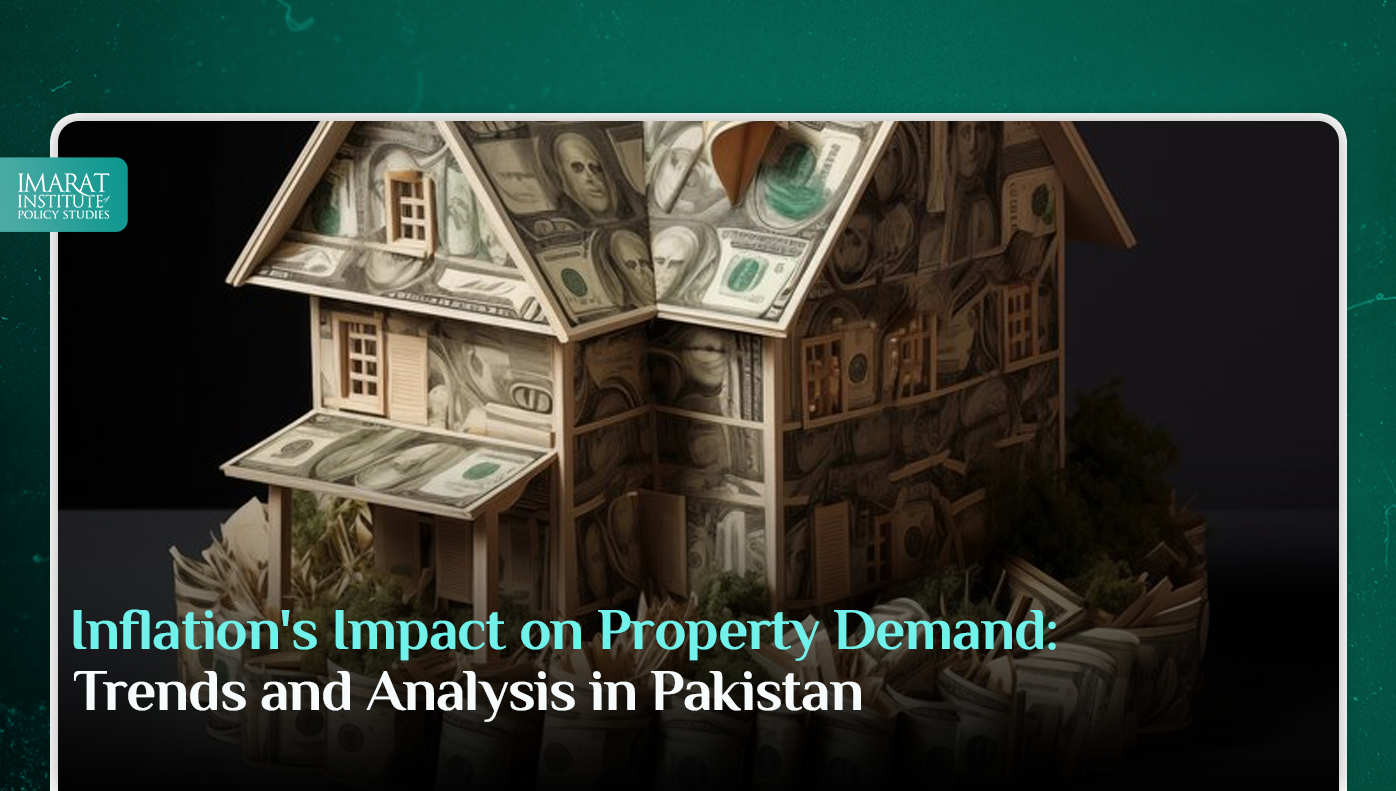
Inflation, as a persistent increase in the general price level of goods and services, has significant implications for various sectors of the economy, including the real estate market. In Pakistan, where property ownership is deeply ingrained in cultural and economic norms, understanding the relationship between inflation and property demand is crucial. In this blog, we’ll delve into the trends and analysis of how inflation influences property demand in Pakistan, examining the factors driving demand fluctuations and their implications for investors, developers, and policymakers.
The Dynamics of Inflation and Property Demand
Inflation exerts a multifaceted impact on property demand in Pakistan, influencing both residential and commercial segments of the real estate market. As inflation erodes the purchasing power of money, it affects consumers’ affordability, investment decisions, and overall sentiment towards property ownership. Moreover, inflationary pressures influence interest rates, mortgage financing costs, and construction expenses, further shaping property demand dynamics.
Residential Property Demand
In periods of high inflation, the affordability of residential properties may decline as property prices outpace income growth. This can dampen demand from prospective homebuyers, particularly in urban areas where housing costs are already elevated. However, the demand for affordable housing remains resilient, driven by demographic factors such as population growth, urbanization, and household formation. Additionally, property remains a popular investment asset class, with investors seeking to hedge against inflation by acquiring residential properties as a store of value.
Commercial Property Demand
Inflation’s impact on commercial property demand in Pakistan varies across different sectors and asset classes. While rising inflation may lead to higher operating costs for businesses, it can also stimulate demand for commercial properties as businesses seek to hedge against inflation by acquiring real assets. Retail properties, in particular, may benefit from inflationary pressures, as consumer spending tends to remain robust despite price increases. However, high inflation rates can dampen demand for office space and industrial properties, as businesses may delay expansion plans and focus on cost-cutting measures.
Policy Implications
The relationship between inflation and property demand in Pakistan underscores the importance of sound macroeconomic policies and regulatory measures. Policymakers need to strike a balance between controlling inflationary pressures and supporting sustainable growth in the real estate sector. Measures to enhance affordability, streamline regulatory processes, and promote transparency in property transactions can stimulate demand and investment in the real estate market.
Balancing Inflation Control and Growth Support
Policymakers must navigate the delicate balance between controlling inflationary pressures and fostering sustainable growth in the real estate sector.
Striking this balance is crucial to ensuring stability in both the economy and the property market, as excessive inflation can erode purchasing power and deter investment.
Enhancing Affordability
Policies aimed at enhancing affordability can stimulate property demand by making real estate more accessible to a broader segment of the population.
Initiatives such as affordable housing schemes, subsidies for first-time homebuyers, and incentives for developers to build low-cost housing can help address affordability challenges.
Streamlining Regulatory Processes
Streamlining regulatory processes can reduce bureaucratic hurdles and facilitate smoother transactions in the real estate market.
Simplifying land acquisition procedures, expediting approval processes for construction projects, and ensuring clarity in property ownership rights can improve market efficiency and investor confidence.
Promoting Transparency
Transparency in property transactions is essential for building trust and confidence among investors and stakeholders.
Policymakers can promote transparency by enforcing strict regulations on property registration, ensuring accurate and timely reporting of property transactions, and combating corruption in the real estate sector.
Stimulating Demand and Investment
Measures to stimulate demand and investment in the real estate market can support economic growth and development.
Incentives such as tax breaks for real estate investment, favorable financing options for homebuyers and developers, and infrastructure development projects can attract capital inflows and spur activity in the property market.
Monitoring and Evaluation
Continuous monitoring and evaluation of policy measures are essential to assess their effectiveness and make necessary adjustments.
Policymakers should analyze data on property demand, inflation trends, market dynamics, and regulatory compliance to inform policy decisions and ensure their alignment with broader economic objectives.
Collaboration and Stakeholder Engagement
Collaboration between government agencies, regulatory bodies, industry associations, and other stakeholders is critical for designing and implementing effective policy measures.
Engaging with market participants and soliciting feedback on policy initiatives can enhance their relevance, effectiveness, and acceptance within the real estate sector.
Long-term Planning and Vision
Policymakers need to adopt a long-term perspective and develop a comprehensive vision for the real estate sector’s role in sustainable economic development.
Strategic planning initiatives, such as urban development master plans, infrastructure investment strategies, and housing affordability targets, can guide policy formulation and implementation over the long term.
Investment Strategies
For investors navigating the impact of inflation on property demand, adopting strategic investment approaches is essential. Diversifying investment portfolios across different property types, geographic locations, and asset classes can mitigate risk and capitalize on emerging opportunities. Moreover, incorporating inflation-hedging strategies such as investing in rental properties, real estate investment trusts (REITs), or inflation-linked securities can safeguard against the erosive effects of inflation on investment returns.
Conclusion
In conclusion, inflation’s impact on property demand in Pakistan is multifaceted, influencing both residential and commercial segments of the real estate market. While high inflation rates may challenge affordability and investment sentiment, demographic trends, urbanization, and inflation-hedging motivations continue to drive demand for property ownership and investment. As Pakistan’s economy evolves, policymakers, investors, and developers need to monitor inflation trends closely and implement adaptive strategies to navigate the dynamic landscape of property demand and investment.
This article is written by Radma Nouman. Radma is a research analyst at the Iqbal Institute of Policy Studies (IIPS).

Leave a Reply