
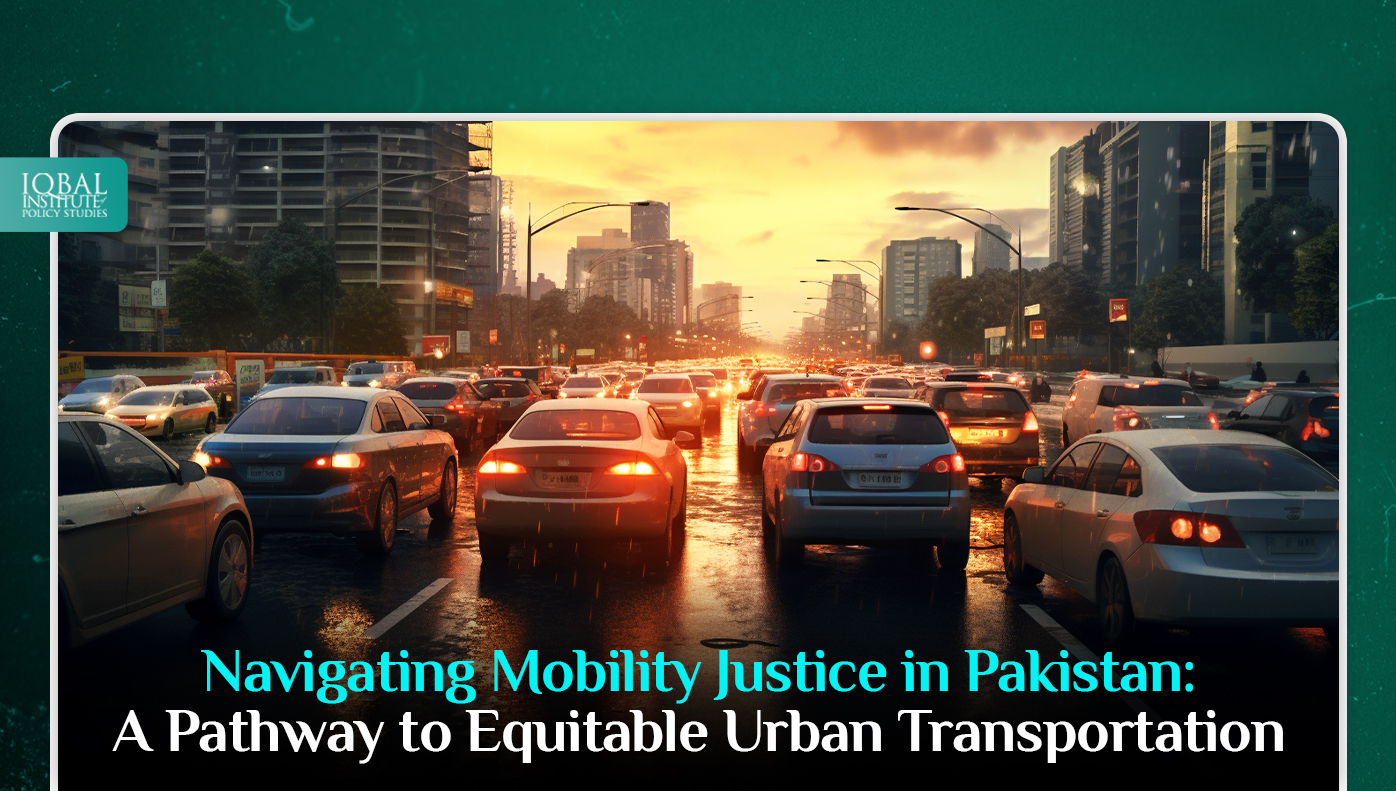
As the sun rises over the bustling streets of Pakistani cities, it casts a dynamic tapestry of energy, diversity, and vitality. The symphony of honking horns, street vendors, and hurried footsteps creates a vivid portrait of urban life. However, beneath this vibrant surface lies a challenge that reverberates through the lives of millions: the inequality in access to transportation. The simple act of getting from point A to point B is not just a matter of convenience; it’s a measure of socioeconomic opportunities and a reflection of social equity. This is where the concept of mobility justice emerges as a beacon of hope, advocating for a transportation system that offers equal access to all residents, regardless of income or background.
In the Pakistani context, a nation marked by the convergence of tradition and modernity, the journey toward mobility justice is imbued with profound significance. The streets that weave through ancient bazaars and towering skyscrapers alike hold the dreams, aspirations, and struggles of a diverse population. As urbanization sweeps across the landscape, it brings with it the promise of progress, but also the stark reminder of inequality. The pursuit of mobility justice takes on a mission to reshape urban environments, ensuring that every citizen, irrespective of their socioeconomic standing, can access the opportunities that cities offer.
However, Pakistan is not alone in this pursuit. On a different continent, in a realm of different urban landscapes, the United Kingdom grapples with similar challenges. From the historic streets of London to the industrial cities of the North, the UK paints its own canvas of urban experiences. The common thread that binds these diverse landscapes is the shared quest for mobility justice—an endeavor that transcends geographical boundaries and cultural differences to address the universal need for fair and equitable access to transportation. This article dives into the essence of mobility justice, explores its paramount importance in the Pakistani context, and delves into actionable strategies that can pave the way for a more inclusive and equitable urban transportation landscape.
Understanding Mobility Justice
Beyond providing means of mobility, mobility justice encapsulates the principles of fairness, dignity, and social inclusion. At its core, mobility justice envisions a transportation system that caters to the diverse needs of individuals, regardless of their socioeconomic status, physical abilities, or geographical location. In Pakistan, where socioeconomic disparities are stark, and access to resources is unequal, mobility justice becomes a critical instrument in reshaping urban environments to be more inclusive and empowering for all citizens.
Challenges in Pakistani Urban Mobility
The frenetic pace of Pakistani cities relies heavily on transportation networks to sustain their vibrancy. However, inherent inequities in access are glaring. Low-income communities often bear the brunt of limited options for affordable, safe, and efficient transportation. This not only hampers their economic mobility but also perpetuates cycles of poverty and social isolation.
Importance of Mobility Justice in Pakistan
Economic Empowerment
Mobility justice serves as a catalyst for economic empowerment. By facilitating access to education and employment opportunities, accessible transportation dismantles barriers that hinder individual progress.
Social Inclusion
In a nation boasting diverse cultures and backgrounds, mobility justice fosters social inclusion by ensuring every individual can participate in civic activities, cultural events, and community gatherings.
Gender Equality
Pakistani women face distinct transportation challenges that hinder their participation in the workforce and public life. Mobility justice can bridge this gap by creating safe and accessible transportation options tailored to their needs.
Environmental Sustainability
A well-structured and efficiently managed transportation system not only reduces traffic congestion but also minimizes pollution, contributing to a healthier and more sustainable urban environment.
Strategies for Achieving Mobility Justice
Public Transportation Enhancement
A cornerstone of mobility justice is investing in an affordable and efficient public transportation system. Robust bus networks, well-designed metro systems, and integrated commuter trains can significantly improve accessibility for all residents, irrespective of income.
Last-Mile Connectivity
Implementing last-mile connectivity solutions, such as bike-sharing programs and rickshaws, ensures that even remote areas are seamlessly integrated into the broader transportation network.
Digital Innovation
Harnessing the power of digital platforms for ride-sharing, transportation information dissemination, and real-time updates can enhance access and convenience, especially for underserved communities.
Community Engagement
The active involvement of local communities in transportation planning is crucial. By incorporating their insights, needs, and preferences, transportation solutions can be tailored to cater to diverse user groups.
Investing in Pedestrian Infrastructure
Creating pedestrian-friendly streets, sidewalks, and safe crossings is pivotal. Prioritizing pedestrian infrastructure not only encourages walking but also ensures the safety and convenience of those who rely on it for short-distance travel.
Conclusion
The concept of mobility justice represents a transformative perspective through which Pakistan’s urban transportation challenges can be effectively addressed. Advocating for equal access to transportation signifies a commitment to values such as inclusivity, dignity, and progress. The pursuit of mobility justice isn’t just about convenience; it’s a testament to Pakistan’s aspirations of creating an equitable society where everyone, irrespective of their background, can thrive. As Pakistani cities continue to evolve and expand, the principles of mobility justice serve as a guiding compass, steering the transformation towards a more connected, accessible, and harmonious urban landscape for all. In embracing mobility justice, Pakistan not only redefines its transportation systems but also sets the stage for a brighter and more equitable urban future.
This article is written by Maha Nazami. Maha is a research analyst at the Iqbal Institute of Policy Studies (IIPS).


Leave a Reply