
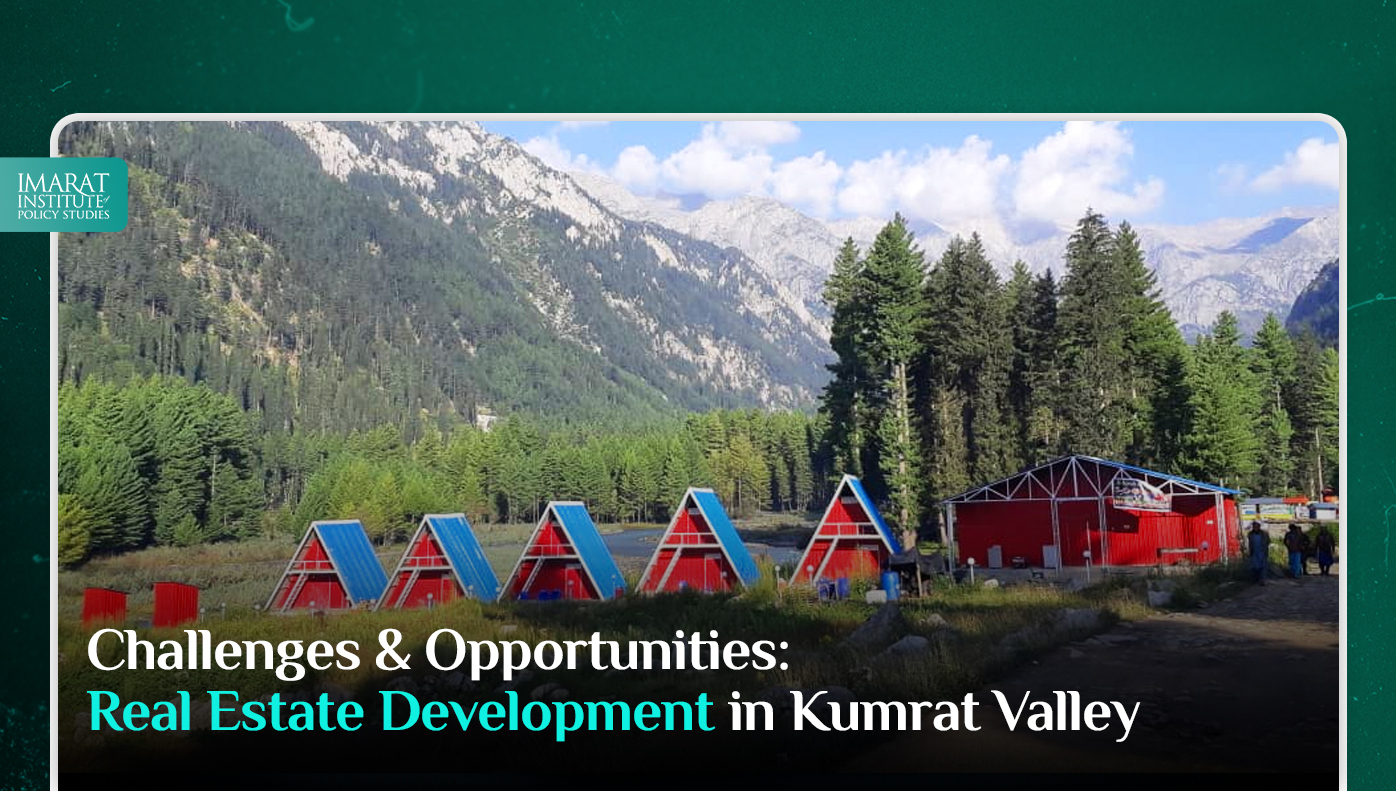
Nestled amidst the majestic peaks of the Hindu Kush range, Kumrat Valley stands as a testament to natural beauty and tranquility. As interest in this pristine paradise grows, so too does the potential for real estate development. However, amidst the allure of opportunity, lies a landscape fraught with challenges. In this blog, we embark on a journey through the opportunities and obstacles facing real estate development in Kumrat Valley, seeking to navigate the path towards sustainable growth and preservation.
Opportunities for Growth
The allure of Kumrat Valley lies not only in its scenic splendor but also in its untapped potential for real estate development. From eco-friendly resorts to sustainable lodges, the valley offers a canvas upon which innovative and responsible projects can thrive. With increasing interest from tourists and investors alike, there is a wealth of opportunities to cater to the burgeoning demand for accommodation, recreational facilities, and adventure tourism experiences. Furthermore, the valley’s strategic location along the proposed China-Pakistan Economic Corridor (CPEC) route opens doors to international investment and connectivity, further enhancing its appeal as a destination for development.
Preservation of Natural Heritage
While the potential for development in Kumrat Valley is undeniable, it must be tempered with a commitment to preserving its natural heritage. Sustainable development practices are paramount, ensuring that projects harmonize with the surrounding environment and minimize ecological impact. Green building techniques, such as passive solar design and eco-friendly materials, can help mitigate the footprint of development while preserving the valley’s pristine beauty. Moreover, initiatives such as afforestation programs, waste management systems, and renewable energy solutions are essential for safeguarding the valley’s delicate ecosystem for future generations.
Community Engagement and Empowerment
Central to sustainable development in Kumrat Valley is meaningful engagement with local communities and stakeholders. Indigenous knowledge and cultural heritage must be respected and integrated into development plans, ensuring that the benefits of tourism and investment are shared equitably. Empowering local residents through employment opportunities, skills training, and revenue-sharing agreements fosters economic prosperity and strengthens social cohesion. By involving communities in decision-making processes and fostering a sense of ownership, developers can ensure that development projects are embraced and supported by those who call Kumrat Valley home.
Infrastructure and Accessibility
One of the primary challenges facing real estate development in Kumrat Valley is the lack of basic infrastructure and accessibility. The rugged terrain and remote location pose logistical hurdles for construction and transportation, necessitating significant investment in road networks, utilities, and connectivity. Balancing the need for infrastructure development with the imperative to preserve the valley’s natural beauty is a delicate task. Innovative solutions, such as eco-friendly transportation options, low-impact construction techniques, and off-grid utilities, can help overcome these challenges while minimizing environmental impact.
Infrastructure and Accessibility
One of the primary challenges facing real estate development in Kumrat Valley is the lack of basic infrastructure and accessibility. The rugged terrain and remote location pose logistical hurdles for construction and transportation, necessitating significant investment in road networks, utilities, and connectivity. Balancing the need for infrastructure development with the imperative to preserve the valley’s natural beauty is a delicate task. Innovative solutions, such as eco-friendly transportation options, low-impact construction techniques, and off-grid utilities, can help overcome these challenges while minimizing environmental impact.
Economic Diversification and Sustainability
Beyond the immediate challenges lies an opportunity for Kumrat Valley to diversify its economy and build resilience for the future. Real estate development can serve as a catalyst for economic growth, providing employment opportunities, stimulating local businesses, and generating revenue for infrastructure and social services. By fostering a diverse range of industries, including tourism, agriculture, and handicrafts, Kumrat Valley can reduce its dependence on a single sector and create a more sustainable and resilient economy. Additionally, investments in education, healthcare, and skills development can empower local residents to participate fully in the economic growth and prosperity of the valley. Through strategic planning and collaboration, Kumrat Valley can chart a course towards long-term economic sustainability while preserving its natural and cultural heritage.
Conclusion
In conclusion, real estate development in Kumrat Valley holds immense promise for sustainable growth and economic prosperity. By embracing opportunities for innovation, preserving the valley’s natural and cultural heritage, engaging with local communities, and addressing infrastructure challenges, developers can pave the way for responsible and inclusive development. As custodians of Kumrat Valley’s future, it is our collective responsibility to tread lightly, respecting the land, its people, and its heritage, for generations to come. Through collaborative efforts and a commitment to sustainability, Kumrat Valley can emerge as a shining example of responsible real estate development in Pakistan.
This article is written by Radma Nouman. Radma is a research analyst at the Iqbal Institute of Policy Studies (IIPS).

Leave a Reply