
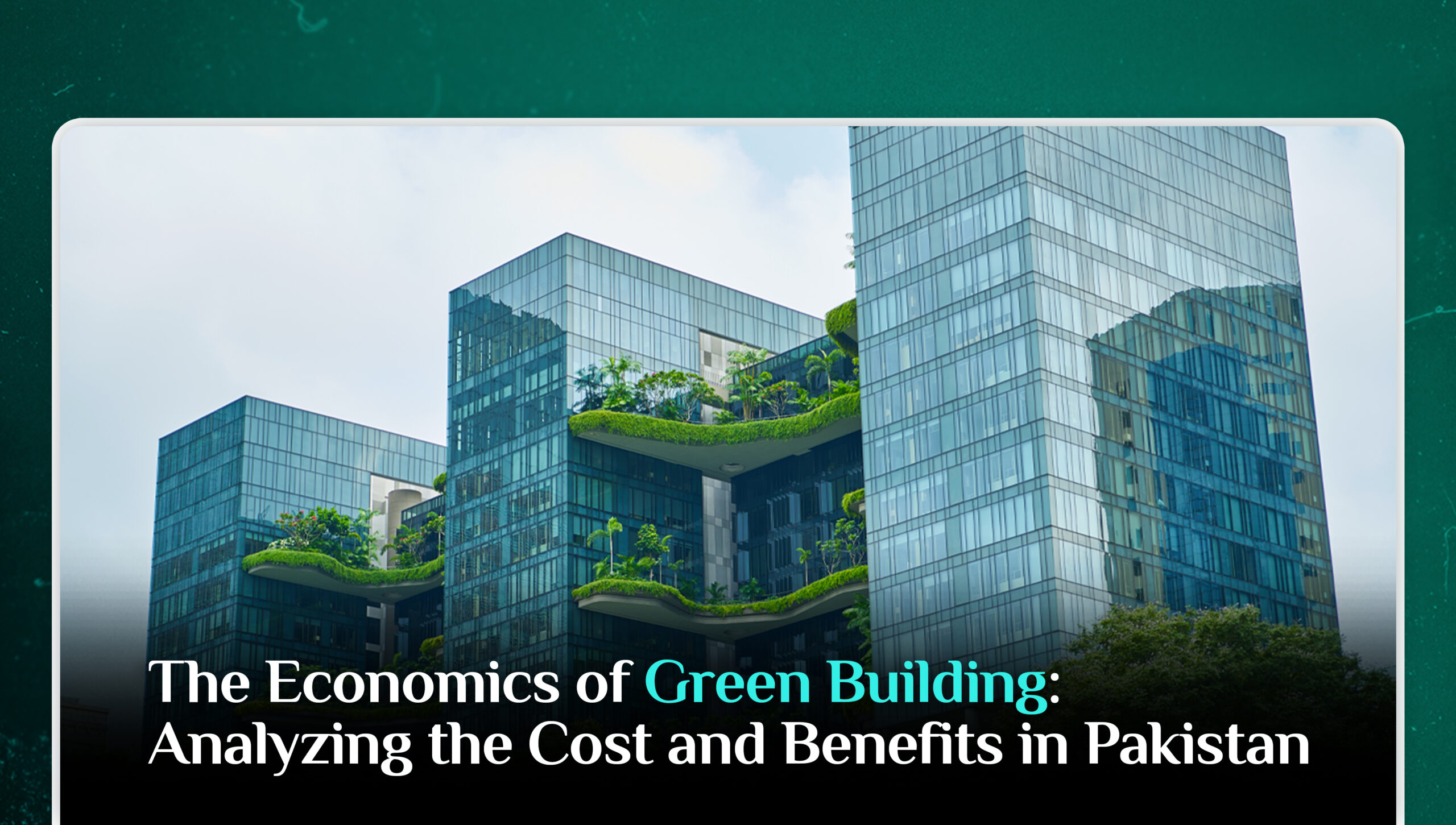
In an era where environmental concerns are at the forefront of global discussions, the construction industry is undergoing a transformative shift towards sustainable practices. In Pakistan, a nation confronting rapid urbanization and environmental challenges, the adoption of green building techniques emerges as a pivotal strategy. This comprehensive blog aims to meticulously scrutinize the economic dimensions of green building in Pakistan, examining both the costs and benefits associated with this innovative approach to construction.
The Current Scenario
To grasp the economic implications of green building in Pakistan, it is essential to first understand the current state of the construction industry. The country grapples with energy shortages, water scarcity, and air pollution, all exacerbated by the burgeoning urban landscape. The demand for infrastructure and housing is escalating, placing heightened pressure on already scarce resources. Against this backdrop, the incorporation of green building practices becomes imperative, offering a sustainable solution to these challenges while fostering economic growth.
Costs of Green Building in Pakistan
Initial Investment
The primary concern often associated with green building is the perceived high initial cost. Green building materials and technologies, such as energy-efficient HVAC systems, solar panels, and sustainable insulation, typically come at a premium compared to conventional alternatives. However, it is imperative to view this expenditure as an investment that yields long-term benefits, both economically and environmentally.
Technology and Expertise
The transition to green building necessitates specialized knowledge and expertise, which may not be readily available in the traditional construction industry. Training and incorporating skilled professionals into the workforce may incur additional costs initially but are crucial for the successful implementation of sustainable practices.
Regulatory Compliance
Achieving compliance with green building standards and certifications, whether local or international, demands meticulous documentation and verification processes. This can lead to increased paperwork and administrative costs, posing a challenge for builders and developers unfamiliar with the intricacies of green construction practices.
Life-Cycle Costs
While the initial investment may seem high, it is imperative to consider the life-cycle costs. Green buildings are designed for longevity and operational efficiency, often resulting in lower maintenance and operational expenses over the building’s lifespan.
Benefits of Green Building in Pakistan
Energy Efficiency
Pakistan grapples with energy challenges, experiencing frequent power outages and an expanding demand-supply gap. Green buildings, incorporating features such as energy-efficient lighting, advanced insulation, and smart HVAC systems, can significantly reduce energy consumption, leading to substantial long-term cost savings for both residential and commercial properties.
Water Conservation
Given the prevalent water scarcity in many regions of Pakistan, green buildings employ water-efficient technologies, including low-flow fixtures, rainwater harvesting, and greywater recycling. These measures contribute not only to water conservation but also have the potential to reduce water bills over time.
Health and Well-being
Green buildings prioritize indoor air quality and occupant well-being. Improved ventilation, the use of non-toxic materials, and access to natural light create healthier living environments, reducing healthcare costs and enhancing overall productivity for occupants.
Market Value and Brand Image
As global awareness of environmental issues continues to rise, the market value of green buildings is on an upward trajectory. Moreover, developers adopting sustainable practices enhance their brand image, attracting environmentally conscious consumers and investors, thereby potentially increasing property values.
Government Incentives
Governments worldwide, including Pakistan, are increasingly recognizing the importance of sustainable construction. Incentives such as tax breaks, subsidies, and streamlined permitting processes serve to offset some of the initial costs associated with green building, providing a further economic impetus for adoption.
Conclusion
In conclusion, the economics of green building in Pakistan are intricate and multifaceted, demanding a nuanced understanding of both the immediate costs and the long-term benefits. While the initial investment may pose challenges, the comprehensive advantages, including energy savings, resource conservation, improved health outcomes, and enhanced market value, make a compelling case for the adoption of sustainable construction practices. As Pakistan charts its course for economic development in a dynamically changing global landscape, embracing green building principles signifies not only an economic choice but an investment in a more sustainable, resilient, and prosperous future. The shift towards sustainable construction is not just a strategic decision; it is a visionary commitment to building a more sustainable and resilient Pakistan.
This article is written by Radma Nouman. Radma is a research analyst at the Iqbal Institute of Policy Studies (IIPS).

Leave a Reply