
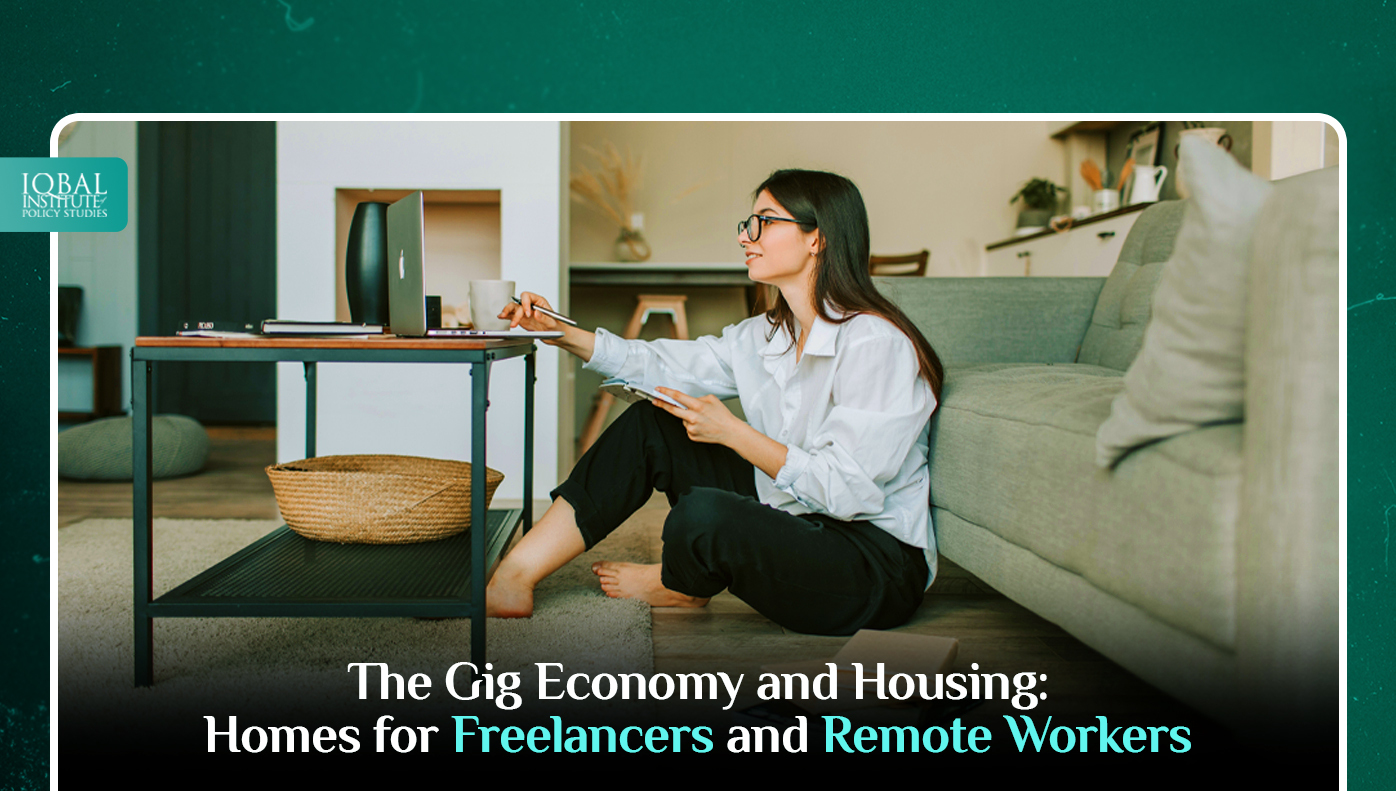
In the contemporary landscape of work, the gig economy has emerged as a transformative force, redefining traditional employment structures and prompting a shift in the dynamics of where and how we live. As more individuals embrace freelance and remote work opportunities, the impact of this change extends beyond the professional realm to influence housing preferences and requirements. This comprehensive exploration delves into the intricate relationship between the gig economy and housing, shedding light on the unique challenges faced by freelancers and remote workers. Additionally, we will propose innovative solutions and design considerations to create homes that seamlessly align with the dynamic, flexible, and often unconventional work styles of this growing segment of the workforce.
The Gig Economy’s Influence on Housing
The advent of the gig economy has brought about a paradigm shift, disrupting the conventional notions of employment and reshaping the landscape of housing. Freelancers and remote workers, constituting a significant and steadily increasing portion of the workforce, demand living spaces that transcend the traditional concept of shelter. These spaces must integrate seamlessly with the multifaceted professional and personal needs of individuals whose work-life boundaries are increasingly blurred. The once clear separation between work and home is evolving, necessitating innovative approaches to housing design that cater to the changing nature of employment within the gig economy.
Challenges Encountered by Freelancers and Remote Workers
Workspace Dilemmas
One of the primary challenges faced by freelancers is the establishment of a dedicated and efficient workspace within the confines of their homes. Striking a balance between a comfortable living area and a conducive work environment becomes crucial for sustained productivity. This challenge is further complicated by the need for flexibility in the workspace, which must adapt to varying work requirements and the diverse tasks that freelancers undertake.
Financial Uncertainty
Freelancers often grapple with irregular income streams, a characteristic feature of gig work that poses challenges when seeking traditional mortgage options. The variability in income levels can complicate the process of securing housing loans, creating a need for financial solutions that are adaptable and responsive to the unique circumstances of freelancers.
Isolation and Loneliness
While remote work provides flexibility and autonomy, it can also lead to feelings of isolation and loneliness. Homes designed for freelancers need to address not only their professional needs but also the social challenges associated with working independently. The challenge is to create spaces that foster a sense of community and mitigate the potential isolation that can arise from a lack of daily interaction with colleagues.
Technological Infrastructure
In the realm of remote work, reliable and high-speed internet connectivity is paramount. Homes must be equipped with robust technological infrastructure to support seamless virtual collaboration. The challenge here is to ensure that the digital connectivity is not only reliable but also secure, meeting the stringent requirements of remote work in today’s digital landscape.
Solutions for Tailoring Homes to the Gig Economy:
Flexible and Modular Workspaces
Incorporating flexible and modular workspace solutions within homes is pivotal. Customizable furniture and designated office nooks allow freelancers to adapt their environment based on the nature of their work. This adaptability is crucial in addressing the diverse tasks that freelancers often juggle, from focused individual work to collaborative projects that may require a different spatial configuration.
Financial Flexibility
Collaborative efforts between financial institutions and housing providers can lead to innovative financing solutions. Tailoring mortgage plans to accommodate the variable income of freelancers provides a viable pathway to homeownership. This requires a departure from traditional lending models, with a focus on creating financial products that reflect the unique economic realities of gig work.
Community-Centric Design
Designing homes with communal spaces and co-working areas addresses the social isolation often experienced by remote workers. Shared amenities and communal gardens create opportunities for networking, collaboration, and community building. The challenge lies in striking a balance between communal spaces that facilitate interaction and private spaces that respect the need for individual focus and concentration.
Smart Home Technologies
The integration of smart home technologies enhances the efficiency and productivity of remote work. Automated lighting, climate control, and security systems can be customized to suit the individual preferences and work routines of freelancers. However, the challenge is to ensure that these technologies are user-friendly and can be easily personalized, catering to the diverse preferences and needs of individual freelancers.
Inclusive Neighborhood Planning
Creating neighborhoods with a mix of residential and commercial spaces supports freelancers in finding local work hubs. Proximity to coffee shops, co-working spaces, and other amenities reduces the isolation often associated with remote work, fostering a sense of local community. The challenge here is in urban planning and zoning regulations that encourage mixed-use development, creating vibrant and inclusive neighborhoods that cater to the diverse needs of freelancers.
Green Spaces and Wellness Areas
Designing homes with access to green spaces and wellness areas contributes to the overall well-being of freelancers. Outdoor spaces can serve as rejuvenating retreats, promoting a healthy work-life balance and mitigating the potential challenges of remote work-related stress. The challenge lies in integrating these spaces seamlessly into the overall design, creating environments that not only look aesthetically pleasing but also contribute to the physical and mental well-being of residents.
Conclusion
As the gig economy continues to redefine the professional landscape, our approach to housing must evolve in parallel. Designing homes tailored to the unique needs of freelancers and remote workers requires a comprehensive understanding of the challenges they face and a commitment to creating spaces that seamlessly integrate work, life, and community. Through innovative architectural and neighborhood planning, coupled with collaborative efforts between stakeholders, we can envision a future where homes become dynamic, adaptable environments that resonate with the diverse and evolving needs of the modern workforce.
Embracing these changes not only addresses the practical challenges of freelancers but also empowers them to thrive in a work landscape characterized by flexibility, autonomy, and innovation. The journey towards a housing paradigm that accommodates the gig economy represents not just a shift in design principles but a holistic reimagining of the spaces we call home in the 21st century. By acknowledging and embracing the symbiotic relationship between the gig economy and housing, we can create environments that support the flourishing of individuals navigating the dynamic terrain of contemporary work. In doing so, we contribute to the evolution of homes into vibrant, adaptable spaces that not only meet the needs of today’s freelancers and remote workers but also anticipate and respond to the ever-changing nature of work in the years to come.
This article is written by Radma Nouman. Radma is a research analyst at the Iqbal Institute of Policy Studies (IIPS).

Leave a Reply