

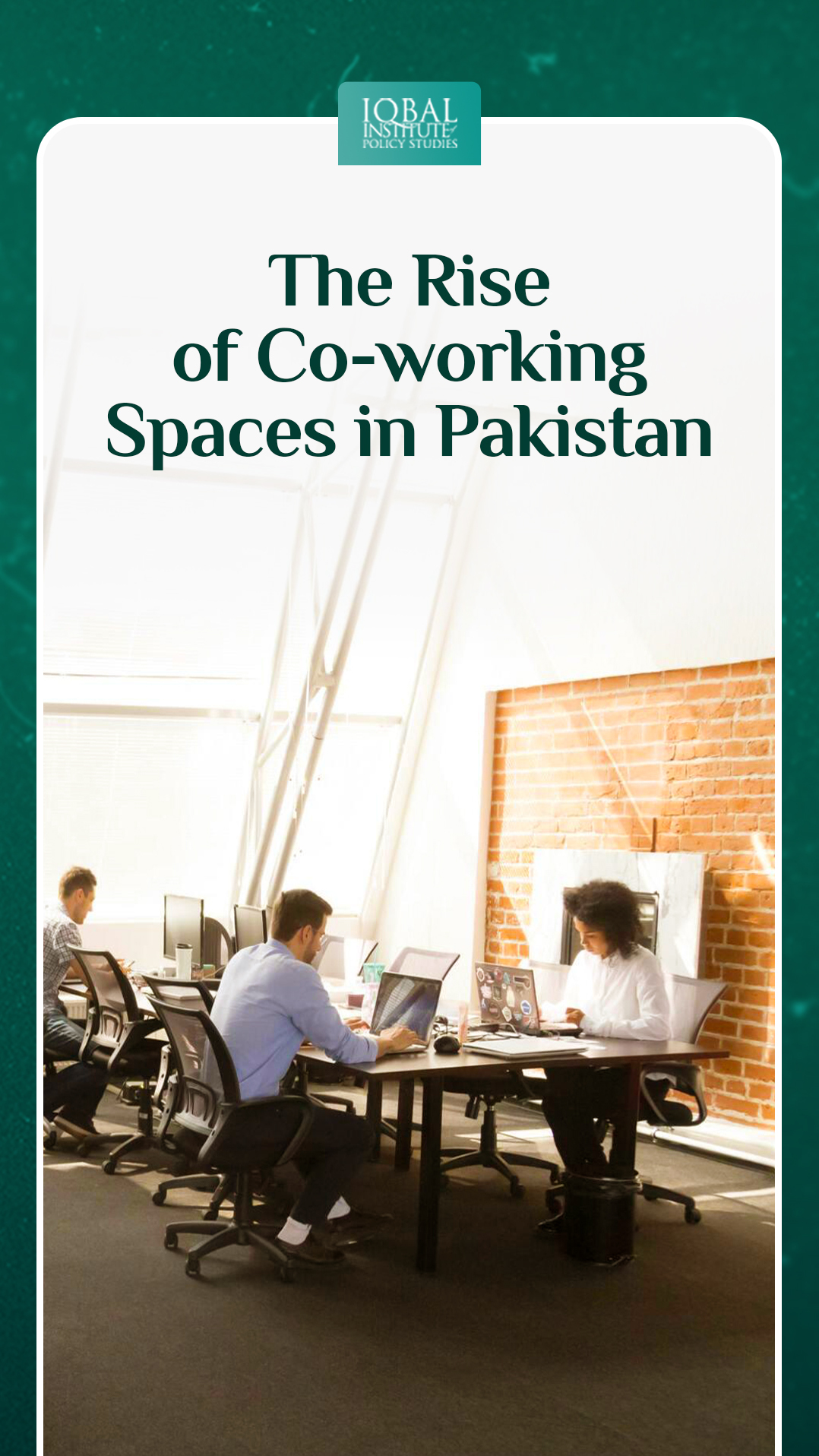
In Pakistan, as in many parts of the world, the paradigm of workspaces has witnessed a remarkable shift, prominently marked by the rise of co-working spaces. Once seen as a novel idea, these shared work environments have swiftly become integral to the country’s evolving business landscape. This transformation signifies a fundamental change in the way professionals, freelancers, startups, and even established corporations’ approach and utilize workspaces. Co-working spaces offer a dynamic and collaborative setting that fosters creativity, innovation, and networking opportunities, catering to the evolving needs of a diverse workforce seeking flexibility, community, and a more adaptive work environment. This shift has not only changed the physical aspect of workspaces but also brought about a cultural change, promoting a more interconnected and collaborative work ethos across various industries and sectors in Pakistan.
Evolution of Co-working Spaces
The evolution of co-working spaces has been a direct response to the evolving landscape of work itself—a landscape characterized by the surge in freelancing, remote work setups, and the prevalence of the gig economy. Beyond merely providing physical infrastructure like desks and meeting rooms, these spaces serve as hubs fostering collaboration, innovation, and community among a diverse array of professionals. In Pakistan, particularly in major urban centers like Karachi, Lahore, and Islamabad, this trend has gained significant momentum. The changing nature of the workforce, emphasizing flexibility and an increasingly prevalent entrepreneurial mindset, has been a catalyst for the proliferation of co-working spaces throughout the country. This transformation signifies a shift in how professionals approach work, seeking environments that not only provide functional workstations but also foster interaction, idea-sharing, and networking opportunities in an ever-evolving professional landscape.
Characteristics of Co-working Spaces
Co-working spaces in Pakistan are characterized by their versatility and amenities. They cater to a broad spectrum of professionals, including freelancers, startups, small businesses, and even remote teams of larger corporations. These spaces provide flexible membership plans, allowing individuals or teams to choose from shared desks, private offices, or meeting rooms based on their needs.
Moreover, co-working spaces emphasize a sense of community by organizing networking events, workshops, and knowledge-sharing sessions. These initiatives foster collaboration, idea exchange, and potential partnerships among members.
Benefits and Advantages
The appeal of co-working spaces lies in their numerous benefits. For freelancers and independent professionals, these spaces offer a professional work environment without the constraints of a traditional office. Startups and small businesses find them cost-effective alternatives to leasing dedicated office spaces, allowing them to operate in prime locations without large overheads.
Additionally, co-working spaces provide access to amenities such as high-speed internet, conference rooms, printing facilities, and shared common areas, enhancing productivity and convenience for their members. The flexibility to scale up or down based on business needs adds to their attractiveness.
Impact on Entrepreneurship and Innovation
Co-working spaces have played a significant role in fostering entrepreneurship and innovation in Pakistan. By bringing together individuals from diverse backgrounds and industries, these spaces facilitate cross-pollination of ideas, mentorship opportunities, and access to a supportive network.
For startups, co-working spaces offer a conducive environment for growth, enabling them to interact with like-minded individuals, seek guidance from experienced professionals, and potentially find investors or collaborators.
Challenges and Future Trends
Despite their growing popularity, co-working spaces in Pakistan face challenges. These include maintaining a balance between fostering a vibrant community and ensuring a productive work environment. Additionally, amidst the COVID-19 pandemic, ensuring health and safety measures within these shared spaces has become a priority.
However, the future of co-working spaces in Pakistan appears promising. The trend towards remote work and flexible schedules is expected to continue, driving the demand for such spaces. Moreover, the incorporation of technology, such as advanced connectivity tools and virtual collaboration platforms, will further enhance the experience of co-working.
Conclusion
Co-working spaces have revolutionized the traditional concept of offices and workspaces in Pakistan. They have become hubs of creativity, collaboration, and innovation, catering to the evolving needs of a diverse workforce. As the country embraces a more flexible work culture, the role of co-working spaces is poised to expand, contributing significantly to the growth of entrepreneurship and professional networking in Pakistan’s business landscape.
This article is written by Shaan Abbas. Shaan is a research analyst at the Iqbal Institute of Policy Studies (IIPS).

Leave a Reply