
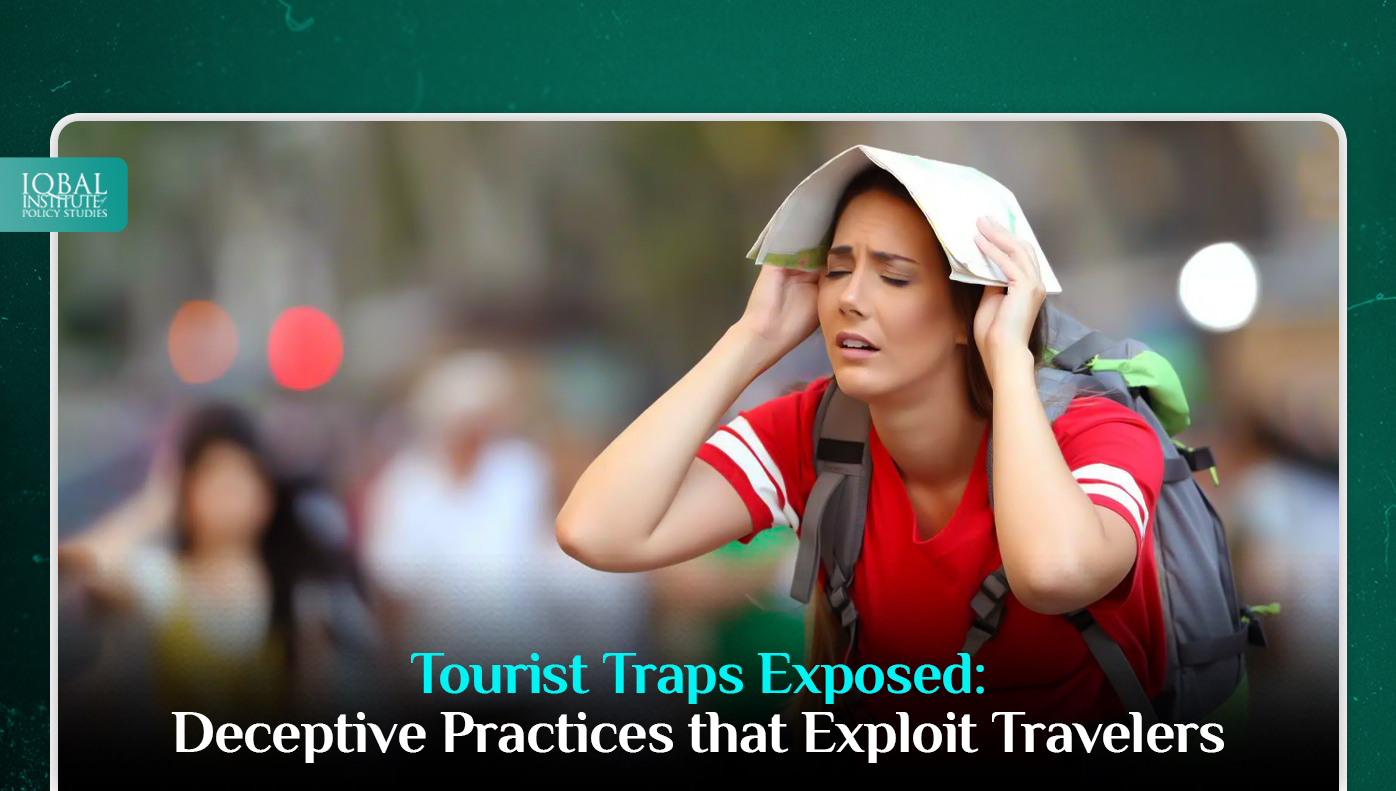
Traveling to new places and experiencing different cultures is a valuable experience that broadens an individual’s perspective. However, this experience might come with a potential problem of getting caught in tourist traps. Tourist traps exist in every corner of the globe. From bustling markets to iconic landmarks, these traps capitalize on the hopes and expectations of travelers who seek to immerse themselves in a new culture, capture breathtaking moments, or secure an elusive bargain. These traps are designed to look appealing, but they often lead to disappointment instead with high prices and items that are not so great. Additionally, tourist trap operators play on a tourist’s worries of missing out or desire for something genuine. Therefore, to stay away from tourist traps, tourists should do extensive research before they visit, ask locals for advice, and be careful about spending too much. Moreover, governments can contribute by implementing regulations to ensure pricing transparency, promoting ethical tourism practices, and providing education to both tourists and businesses about responsible and sustainable tourism.
What are the Malpractices?
Following are the strategies frequently employed by tourist trap operators to exploit travelers:
Overpriced Souvenirs and Local Crafts
Perhaps one of the most common traps involves shops that boast authenticity but deliver overpriced, mass-produced souvenirs. Unbeknownst to travelers, these “handcrafted” treasures are often no more than factory-made trinkets aimed at exploiting their desire for authenticity.
Misleading Food and Dining
Restaurants strategically placed near tourist attractions may offer uninspiring food at exorbitant prices, exploiting the convenience factor. Menus filled with pictures and translations into multiple languages can often signify that the establishment caters primarily to tourists, compromising on quality.
Staged Attractions and Photo Opportunities
Iconic landmarks or attractions might appear vastly different in reality compared to the glossy images that lure travelers. Some spots are meticulously set up to provide the perfect photo backdrop, masking the reality of overcrowding, construction, or inauthenticity.
Aggressive Street Vendors and Touts
Overenthusiastic street vendors and touts can pressure tourists into purchasing items or services they neither need nor want. This pushy approach leaves travelers feeling cornered and coerced, succumbing to purchases they later regret.
Currency Exchange Scams
Unscrupulous currency exchange booths often offer poor rates and tack on hidden fees, taking advantage of travelers who may be unfamiliar with local currency values.
Why Do Tourist Traps Thrive?
Tourist traps would not thrive if they did not work. They exploit various psychological tendencies that travelers exhibit, which are as follows:
Fear of Missing Out (FOMO)
The fear that one might miss out on a unique experience or bargain creates a sense of urgency, leading travelers to make impulsive decisions.
Social Proof
Seeing others engaging in a certain activity or purchasing an item creates a sense of trust and encourages travelers to follow suit.
Desire for Authenticity
Travelers seek genuine encounters and may be easily drawn to experiences that promise cultural immersion or hidden treasures.
Strategies to Outsmart Tourist Traps
To help navigate the travel experience with confidence and avoid falling into these well-laid traps, here are some effective strategies to outsmart tourist traps:
Research Your Destination Thoroughly
Before embarking on the journey, conduct thorough research about the destination. Read travel guides, browse online forums, and consult trusted websites for information about the best places to visit, eat, and shop. Understanding local customs, culture, and common tourist traps specific to a destination will arm a tourist with the knowledge to make informed decisions.
Seek Recommendations from Locals
Engaging with locals can provide tourists with invaluable insights that guidebooks might miss. Strike up conversations with hotel staff, taxi drivers, and shopkeepers to ask for their recommendations on where to eat authentic meals, find genuine souvenirs, and experience the destination like a local.
Set a Budget and Stick to It
Establishing a budget for a trip helps avoid overspending due to impulsive decisions. Decide in advance how much you’re willing to spend on meals, souvenirs, activities, and attractions. When faced with aggressive sales tactics or offers that seem too good to be true, remind yourself of your budget and stick to it.
Trust Your Instincts
A person’s intuition can be a powerful tool in identifying potential tourist traps. If something feels off or too pushy, take a step back and evaluate the situation. Avoid making decisions under pressure and trust the gut feeling. It is better to miss out on an opportunity than to fall into a trap.
Venture Off the Beaten Path
Tourist traps thrive in areas frequented by large numbers of tourists. To escape their clutches, explore lesser-known neighborhoods, markets, and attractions. These hidden gems often offer more authentic experiences, genuine interactions with locals, and a chance to uncover the heart of the destination.
Avoid Overly Aggressive Sellers
In many tourist-heavy areas, one might encounter aggressive street vendors or touts who are persistent in their sales efforts. Politely but firmly decline their offers and keep walking. Engaging with them or showing interest might encourage their persistence.
Beware of Impulsive Purchases
Tourist traps often use urgency and scarcity to push travelers into making impulsive purchases. Before buying anything, take a moment to pause and consider whether you truly need or want the item. Give yourself time to think before committing to a purchase.
Compare Prices and Quality
If a tourist is interested in purchasing souvenirs or participating in activities, they should compare prices and quality across different vendors. Do not settle for the first option you come across. This way, you can identify reasonable prices and avoid overpaying.
Opt for Local Food Joints
When it comes to dining, seek out local eateries and street food stalls. These establishments are more likely to offer authentic cuisine at reasonable prices compared to restaurants located near tourist attractions.
Embrace Authentic Experiences
The true essence of travel lies in authentic experiences that connect a tourist with the local culture and community. Attend local events, workshops, or performances to gain a deeper understanding of the destination and its people.
Read Reviews and Check Ratings
Before booking accommodations, tours, or activities, read online reviews and check ratings on trusted platforms. This will give tourists a clearer picture of other travelers’ experiences and help them make informed choices.
Conclusion
Tourist traps might be an unfortunate reality, but armed with awareness and caution, travelers can navigate these deceptive practices successfully. By researching destinations, embracing local experiences, and trusting their instincts, travelers can reclaim their journey from the clutches of tourist traps and enjoy the true essence of exploration- genuine, unscripted, and unforgettable.
This article is written by Haneen Gul. Haneen is a research analyst at the Iqbal Institute of Policy Studies (IIPS).

Leave a Reply