
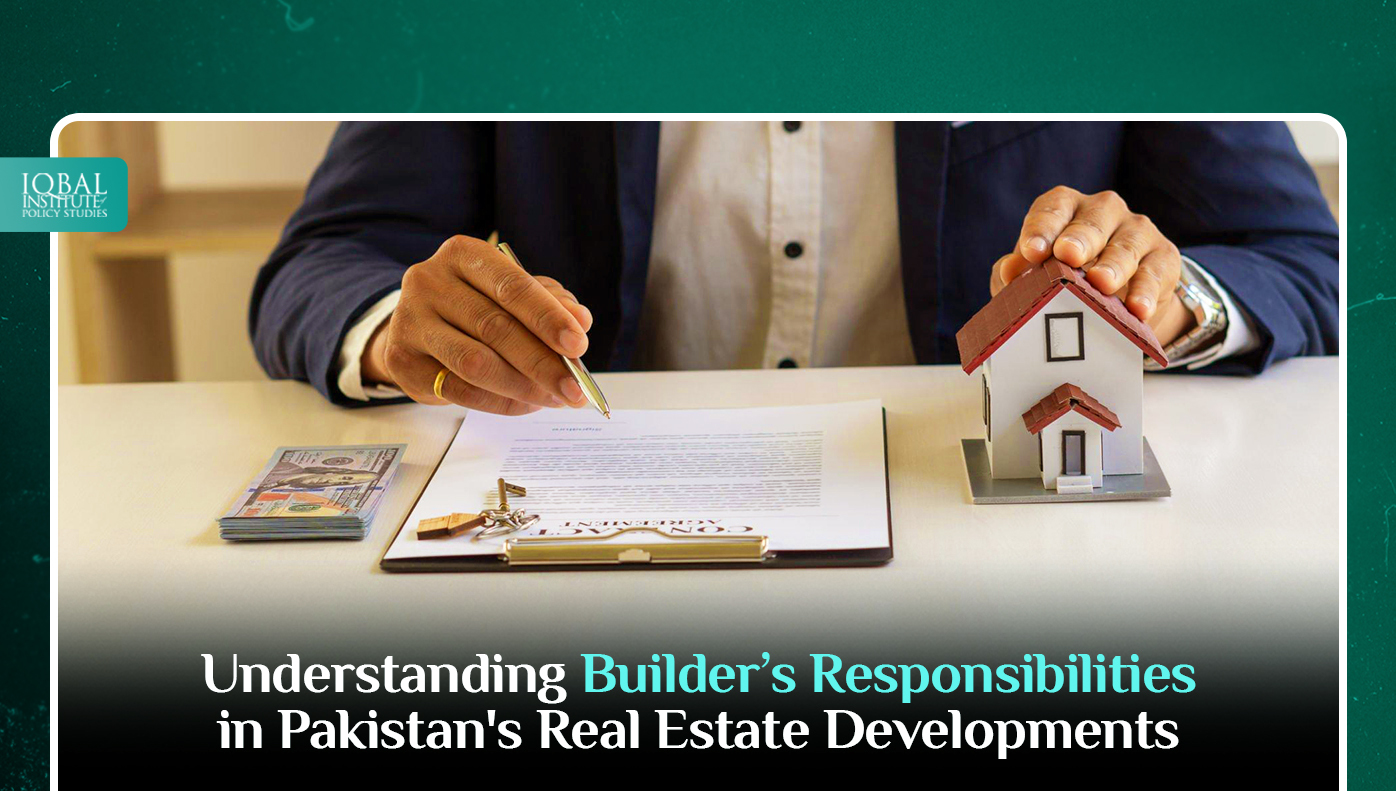
The real estate sector in Pakistan has witnessed remarkable growth in recent years, with numerous construction projects reshaping the urban landscape. However, this surge in development also brings forth a critical aspect that cannot be overlooked – the builder’s liability. Understanding the responsibilities of builders in real estate projects is essential for ensuring the safety, quality, and legal compliance of constructions. In this comprehensive blog, we delve into the intricacies of builder’s liability in the context of Pakistan’s real estate developments.
Legal Framework
Building Codes and Regulations
Pakistan has established building codes and regulations to govern construction activities, ensuring compliance with safety standards and structural integrity. Builders must adhere to these guidelines to avoid legal repercussions and contribute to the overall safety of the built environment.
Consumer Protection Laws
Consumer protection laws play a pivotal role in safeguarding the interests of property buyers. Builders are obligated to provide accurate information about the property, deliver on promised specifications, and ensure the safety and well-being of occupants.
Environmental Regulations
Environmental considerations are becoming increasingly important in construction projects. Builders are required to comply with environmental regulations, incorporating sustainable practices and minimizing the environmental impact of their developments.
Responsibilities of Builders
Quality Assurance
Builders bear the responsibility of delivering constructions that meet high-quality standards. This encompasses the use of durable materials, adherence to approved designs, and the employment of skilled labor to ensure the structural soundness of the buildings.
Timely Completion
Time is of the essence in real estate projects. Delays not only inconvenience buyers but can also lead to financial losses. Builders must manage timelines effectively, addressing unforeseen challenges promptly to ensure projects are completed on schedule.
Transparent Communication
Transparency is a cornerstone of builder’s liability. Builders must maintain open communication with buyers, providing accurate information about the project’s progress, potential delays, and any changes to the original plans.
Safety Standards
The safety of construction sites and the eventual structures is paramount. Builders are responsible for implementing and enforcing safety measures to protect workers, residents, and the surrounding community.
Liabilities in Construction Defects
Structural Deficiencies
Builders can be held liable for structural defects that compromise the safety and habitability of a property. This includes issues such as foundation problems, poor workmanship, and inadequate materials.
Failure to Meet Specifications
If a builder fails to deliver on the promised specifications or deviates from approved plans without proper notification, they may be held accountable for any resulting issues.
Negligence and Misrepresentation
Negligence in construction practices or intentional misrepresentation can lead to legal consequences. Builders must be diligent in their work and honest in their dealings with buyers.
Mitigating Risks and Ensuring Compliance
Professional Consultation
Builders should engage with qualified professionals, including architects, engineers, and legal experts, to ensure compliance with regulations and best practices.
Insurance Coverage
Builders should secure appropriate insurance coverage to mitigate financial risks associated with construction defects, accidents, or unforeseen events.
Documentation and Record-Keeping
Thorough documentation of all construction activities, contracts, and communications is crucial. Proper record-keeping can serve as evidence in the event of disputes or legal proceedings.
Conclusion
In conclusion, navigating the complex landscape of builder’s liability in Pakistan’s real estate developments requires a meticulous understanding of legal frameworks, responsibilities, and risk mitigation strategies. By upholding high standards of quality, transparency, and safety, builders can contribute to the sustainable growth of the real estate sector while protecting the interests of all stakeholders involved. Vigilance, compliance, and ethical conduct should be the guiding principles for builders as they shape the urban environment for generations to come.
This article is written by Radma Nouman. Radma is a research analyst at the Iqbal Institute of Policy Studies (IIPS).

Leave a Reply