

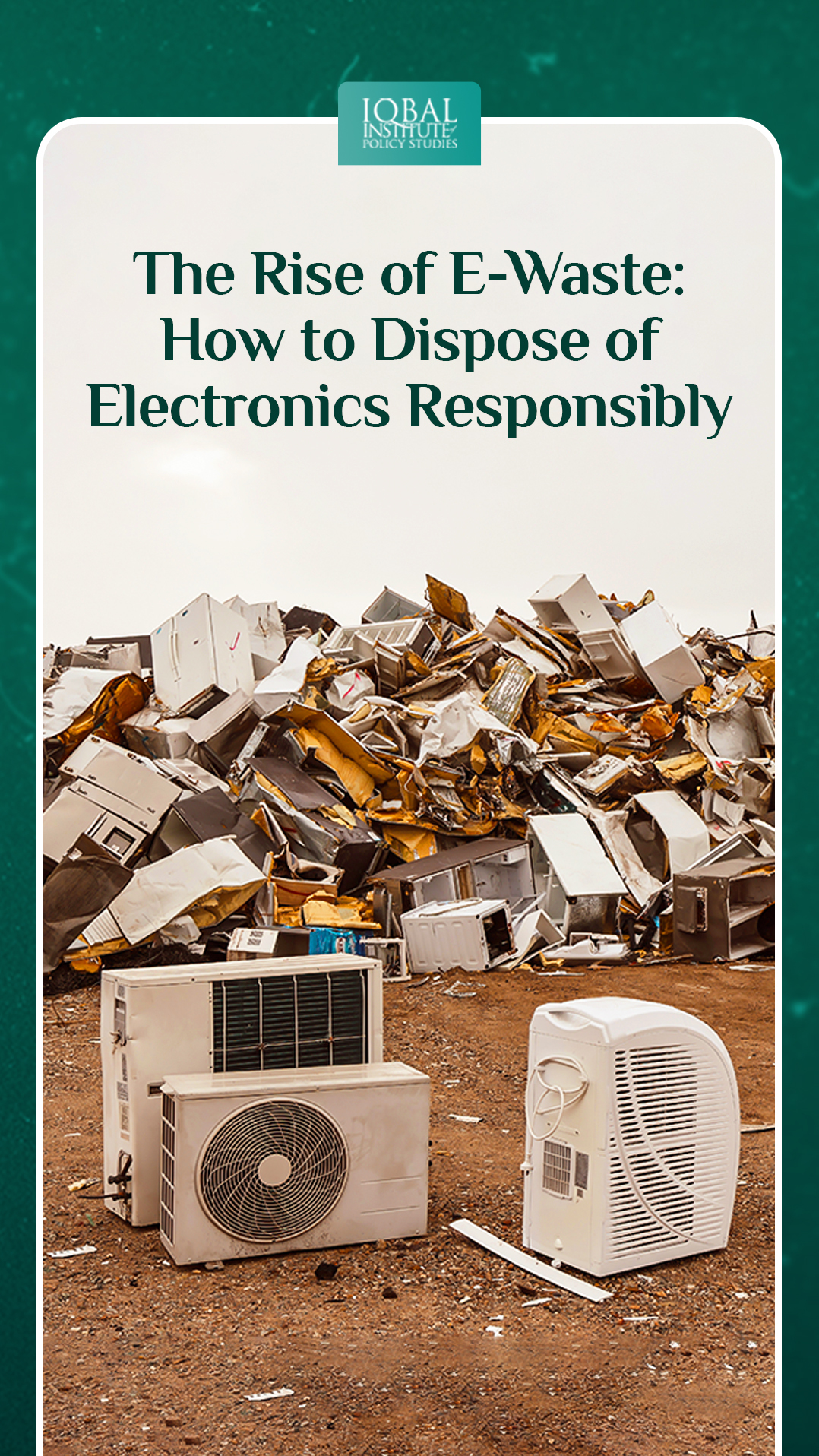
E-waste is one of the fastest-growing waste streams globally. Electronics have seamlessly integrated into modern life due to their unmatched convenience, entertainment value, and productivity-enhancing capabilities. In developed nations, where consumer electronics are widely accessible, e-waste often results from the constant upgrading of gadgets and the disposal of still-functioning but outdated devices. Conversely, developed nations typically have established e-waste recycling systems and strict regulations, ensuring that a significant portion of e-waste is properly managed and recycled, reducing its environmental impact. Yet, the relentless pace of innovation carries a concealed repercussion in the form of tons of electronic waste, the improper disposal of which poses significant environmental and health risks that demand immediate attention and action. Hence, it is imperative for governments to implement rigorous e-waste policies and foster public awareness initiatives, ensuring the responsible disposal and recycling of electronic waste. By taking these actions, governments can pave the way for a more sustainable and eco-conscious approach, ultimately preserving our environment for future generations.
What Is E-Waste?
Electronic waste, often abbreviated as e-waste, encompasses discarded electronic devices and appliances that are no longer functional, needed, or wanted. This category covers a vast array of electronics, ranging from smartphones and laptops to refrigerators and televisions. E-waste encompasses both consumer electronics and industrial electronics, making it a multifaceted challenge. For instance, in 2019, the world generated a staggering 53.6 million metric tons of e-waste, equivalent to throwing away 1,000 laptops every second (Cooper, 2022). The amount of e-waste generated is projected to reach 74 million metric tons by 2030 if current trends continue (Forti, 2020).
The Environmental Impact of E-Waste
Pollution and Toxins
Improper disposal of e-waste, especially in landfills or through informal recycling methods, leads to the release of hazardous chemicals and toxins into the environment. Some of the most common pollutants found in e-waste include lead, mercury, cadmium, and various flame retardants. These substances can contaminate soil, water, and air, posing a significant threat to both the ecosystem and human health. For instance, lead damages the nervous system and can cause developmental delays in children and cadmium causes lung and prostate cancer and damages the kidneys and bones.
Energy Consumption
The electronics industry is a significant contributor to energy consumption and greenhouse gas emissions. The life cycle of electronic devices, from manufacturing and transportation to eventual disposal, demands a substantial amount of energy resources. For example, the production of a single desktop computer consumes approximately 240 kg of fossil fuels, 22 kg of chemicals, and 1.5 tons of water (United Nations, 2004).
Resource Depletion
Electronic devices are more than just potential sources of pollution; they also contain valuable resources. Metals, minerals, and rare earth elements used in electronics can be reclaimed and reused, reducing the need for resource extraction. For example, One ton of circuit boards can contain 40 to 800 times more gold than one ton of mined ore (EPA, 2023). However, when e-waste is not properly managed, these resources go to waste, contributing to resource depletion. Moreover, only 17.4% of e-waste is officially collected and recycled (Brunn, 2023)
Health Risks Associated with E-Waste
The informal dismantling and recycling of e-waste, often carried out in developing countries, exposes workers to a range of health hazards. Without proper protective measures, workers handling e-waste can suffer from respiratory problems, skin conditions, and exposure to toxic substances that can lead to chronic respiratory conditions and can cause skin rashes and dermatitis. Furthermore, workers handling e-waste are constantly at risk of lead and mercury poisoning. Approximately 12.9 million women engage in the informal waste sector, potentially exposing them to toxic e-waste and posing risks to their health and the well-being of their unborn children (WHO, 2021). Additionally, the negative health impact of e-waste is not limited to those who directly handle it. E-waste disposal sites can contaminate nearby communities, leading to a wide array of health problems. Studies have linked e-waste exposure to increased cancer rates, particularly in children.
Responsible Ways of E-Waste Disposal
Reduce and Reuse
One of the most effective ways to address the e-waste problem is to reduce our consumption of electronics and extend the lifespan of the devices we already have. This approach not only reduces waste but also conserves the resources required to manufacture new devices. Instead of discarding a malfunctioning device, consider repairing it. If your device becomes obsolete, explore options for upgrading components. Moreover, choose electronics with a reputation for longevity and repairability.
Recycling Electronics
Recycling electronics is essential for reducing the environmental impact of e-waste. When electronics are properly recycled, valuable materials can be reclaimed, reducing the need for resource extraction and pollution. It can be done in the following ways.
Find Local Recycling Centers: Locate electronics recycling centers in your area.
Participate in Take-Back Programs: Many electronics manufacturers offer take-back programs for their products.
Donate or Sell: If your device is still functional, consider donating it or selling it to extend its life.
E-Waste Legislation and Regulations
Many countries have implemented regulations to manage e-waste responsibly. These laws place the onus on manufacturers and consumers to ensure that electronic devices are disposed of in an environmentally friendly manner. For example, The European Union’s Waste Electrical and Electronic Equipment (WEEE) Directive requires manufacturers to take responsibility for recycling their products (European Commission, 2023). Understanding and complying with these regulations is crucial for mitigating the e-waste problem.
Electronics Manufacturers’ Responsibility
Electronics manufacturers play a pivotal role in addressing the e-waste problem. Many leading tech companies have initiated programs and practices that promote responsible e-waste management. This includes take-back programs, sustainable product design, and responsible sourcing of materials. For example, Dell’s “Dell Reconnect” program offers free recycling for all brands of used electronics. Such initiatives should be adopted and encouraged in all platforms.
E-Waste Awareness and Advocacy
Raising awareness about e-waste and advocating for responsible disposal is a collective effort. Numerous organizations and campaigns should be dedicated to tackling the e-waste issue. By getting involved in advocacy efforts, individuals can contribute to the collective push for more responsible electronics consumption and disposal. This involves supporting organizations like which work to combat the global trade in toxic electronics and participating in local e-waste awareness events and clean-up drives.
The Circular Economy Approach
The circular economy is an innovative model that aims to minimize waste and maximize resource use. By transitioning from a linear “take, make, dispose” model to one that prioritizes reuse, repair, and recycling, we can create a more sustainable and responsible approach to electronics consumption.
Conclusion
E-waste is a burgeoning crisis that carries far-reaching consequences for the environment, as well as human health and well-being. However, with awareness and responsible action, we can mitigate its impact. By understanding the e-waste problem, adopting eco-friendly habits, and supporting initiatives that promote responsible disposal, we can work together to address this critical issue and build a more sustainable future for generations to come.
This article is written by Haneen Gul. Haneen is a research analyst at the Iqbal Institute of Policy Studies (IIPS).

Leave a Reply