
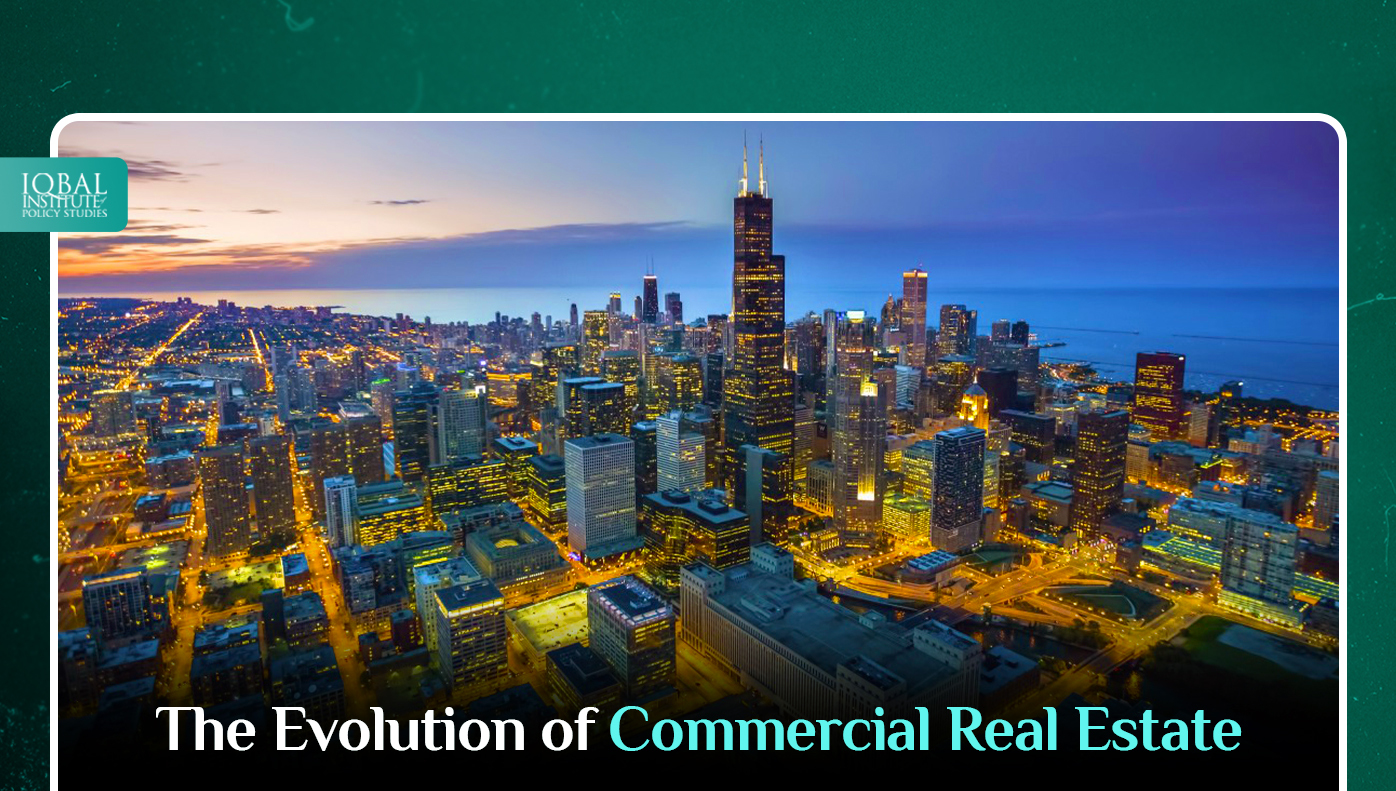
In the intricate tapestry of the 21st-century business landscape, the realm of commercial real estate stands as a dynamic canvas undergoing profound transformations. A convergence of technological advancements, demographic shifts, and novel business paradigms has given rise to a commercial real estate sector that is not just adapting to change but actively shaping its future. In this detailed exploration, we delve into the multifaceted evolution of commercial real estate, dissecting key drivers and trends that are influencing the sector’s trajectory and examining how industry stakeholders are navigating this complex and transformative journey.
Technology Integration
The digitization of the commercial real estate sector has transcended conventional boundaries, ushering in an era of smart buildings and data-driven decision-making. Internet of Things (IoT) devices, artificial intelligence (AI), and advanced analytics are transforming not just how buildings are operated but also how they are experienced. From predictive maintenance to personalized user experiences, technology integration is redefining the very fabric of commercial spaces.
The advent of IoT in commercial real estate is facilitating the creation of smart buildings that are responsive and adaptive. Smart sensors embedded in various building systems collect real-time data on energy usage, occupancy patterns, and environmental conditions. This data, when analyzed through advanced AI algorithms, enables predictive maintenance, optimizing building performance and reducing operational costs.
Moreover, the integration of technology goes beyond operational efficiency. Smart buildings are now designed to enhance the overall occupant experience. Intelligent lighting systems that adjust based on natural light conditions, climate control systems that respond to user preferences, and even AI-driven concierge services are becoming integral components of modern commercial spaces.
Flexible Workspaces
The seismic shift towards remote work and the gig economy has catalyzed an evolution in workspace dynamics. The traditional model of rigid office spaces is giving way to flexible workspaces, designed to accommodate the diverse needs of a mobile and collaborative workforce. Co-working facilities have evolved from a trend to an essential component of the commercial real estate landscape, offering agility and adaptability in an ever-changing business environment.
The rise of flexible workspaces has been a game-changer in commercial real estate, reflecting a departure from the conventional long-term lease model. Co-working spaces provide businesses with the flexibility to scale up or down based on their needs, fostering a more dynamic and responsive approach to office space utilization.
This shift has not only influenced office design but has also redefined the relationship between landlords and tenants. Landlords are increasingly embracing flexible lease terms and incorporating co-working elements into their properties, recognizing the demand for adaptable spaces in an era of fluctuating work patterns.
Sustainability Imperative
Sustainability has transitioned from a mere buzzword to an essential criterion in the development and operation of commercial properties. Green building certifications, energy-efficient designs, and sustainable construction practices are not just aspirational goals but fundamental requirements. Investors, tenants, and regulatory bodies are increasingly prioritizing environmentally conscious practices, reshaping the industry towards a more sustainable and resilient future.
The emphasis on sustainability is driving a fundamental shift in how commercial real estate projects are conceived and executed. Developers are integrating green building technologies such as solar panels, rainwater harvesting systems, and energy-efficient HVAC systems into their designs. Sustainable building materials, with lower carbon footprints, are becoming the norm, aligning commercial real estate with broader global initiatives to combat climate change.
Beyond environmental benefits, sustainability initiatives in commercial real estate also have economic implications. Energy-efficient buildings often translate into lower operating costs, increased asset value, and a competitive edge in attracting environmentally conscious tenants.
E-commerce Impact
The relentless growth of e-commerce continues to reverberate through the commercial real estate sector. The demand for strategically located warehouses and last-mile distribution centers has skyrocketed, necessitating a reevaluation of logistics and fulfillment strategies. Traditional retail spaces are undergoing a metamorphosis as they adapt to the rise of online shopping, emphasizing experiential retail and innovative blending of physical and digital spaces.
The rise of e-commerce giants like Amazon has reshaped the logistics and warehousing requirements of commercial real estate. The need for strategically located distribution centers, capable of facilitating rapid and cost-effective last-mile delivery, has led to the proliferation of fulfillment centers in key urban areas.
Simultaneously, the retail sector is experiencing a shift towards experiential retail. As online shopping becomes more prevalent, physical retail spaces are focusing on providing unique and immersive experiences that cannot be replicated online. Commercial real estate developers are responding by designing mixed-use spaces that combine retail, entertainment, and dining experiences to create vibrant, multifaceted destinations.
Adaptive Reuse and Repurposing
In the pursuit of sustainability and cost-effectiveness, the commercial real estate sector is increasingly turning towards adaptive reuse and repurposing of existing structures. Warehouses transformed into stylish offices, historic buildings repurposed into mixed-use developments – these initiatives not only breathe new life into underutilized spaces but also contribute to the preservation of architectural heritage in an era of rapid urbanization.
Adaptive reuse has become a hallmark of innovation in commercial real estate. Old factories, warehouses, and even churches are being transformed into modern office spaces, residential lofts, and cultural hubs. This approach not only reduces the environmental impact of new construction but also adds unique character to commercial properties.
Beyond environmental and aesthetic considerations, adaptive reuse projects often benefit from existing infrastructure, reducing costs and timelines. This trend underscores a shift towards a more circular economy in commercial real estate, where existing resources are maximized, and the lifespan of structures is extended through thoughtful repurposing.
Data-Driven Decision-Making
The abundance of data has become a powerful tool in the hands of commercial real estate professionals. Data analytics and machine learning algorithms are employed to dissect market trends, predict property values, and optimize portfolio performance. This data-driven approach enhances risk management, investment strategies, and overall portfolio resilience, ushering in an era of informed decision-making.
The use of data in commercial real estate is multifaceted. Market analysts leverage big data to identify emerging trends, predict shifts in demand, and assess the potential risks and opportunities associated with different asset classes. Investors use data-driven models to make informed decisions on acquisitions, dispositions, and portfolio allocations.
Furthermore, data analytics is playing a crucial role in optimizing the performance of individual properties. From predictive maintenance to energy management, real-time data enables property managers to enhance efficiency, reduce operational costs, and create more responsive and sustainable commercial spaces.
Wellness and Experience
Beyond the functional aspects, there is a growing emphasis on occupant well-being and experience in commercial real estate. The design of spaces now incorporates wellness features such as green spaces, fitness facilities, and an abundance of natural light. Commercial properties are evolving into environments that not only facilitate business activities but also enhance the overall quality of life for those who inhabit them.
The focus on wellness in commercial real estate recognizes the profound impact that the built environment can have on the physical and mental health of occupants. Biophilic design, which integrates natural elements into the built environment, is gaining prominence. Commercial spaces are incorporating elements such as indoor plants, natural light, and views of greenery to create environments that promote well-being and productivity.
Wellness extends beyond physical health to encompass the overall experience of occupants. Commercial properties are integrating amenities such as on-site fitness centers, communal spaces, and even wellness programs to foster a sense of community and work-life balance. The goal is to create commercial spaces that not only meet the functional needs of businesses but also contribute to the holistic well-being of those who work and interact within them.
Conclusion
As the 21st century unfolds, the evolution of commercial real estate continues to be a narrative of adaptability and innovation. Technological integration, flexible workspaces, sustainability imperatives, and a focus on user experience are not isolated trends but interconnected threads weaving a narrative of transformation. Stakeholders who navigate this complex landscape with foresight, agility, and a commitment to innovation will not only weather the changes but thrive in an environment where the boundaries between physical spaces, technological advancements, and human experiences blur.
The journey ahead involves not only understanding these profound shifts but actively participating in shaping the future of spaces where business, technology, and human dynamics converge. As technology continues to evolve, demographics shift, and global challenges like climate change become more urgent, commercial real estate will play a pivotal role in shaping the way we live, work, and interact with our built environment. The intersection of innovation, sustainability, and human-centric design is the frontier of commercial real estate, and those who navigate it thoughtfully will be at the forefront of a new era in the evolution of the built environment.
This article is written by Shahmeer Adnan. Shahmeer is a research analyst at the Iqbal Institute of Policy Studies (IIPS).

Leave a Reply