
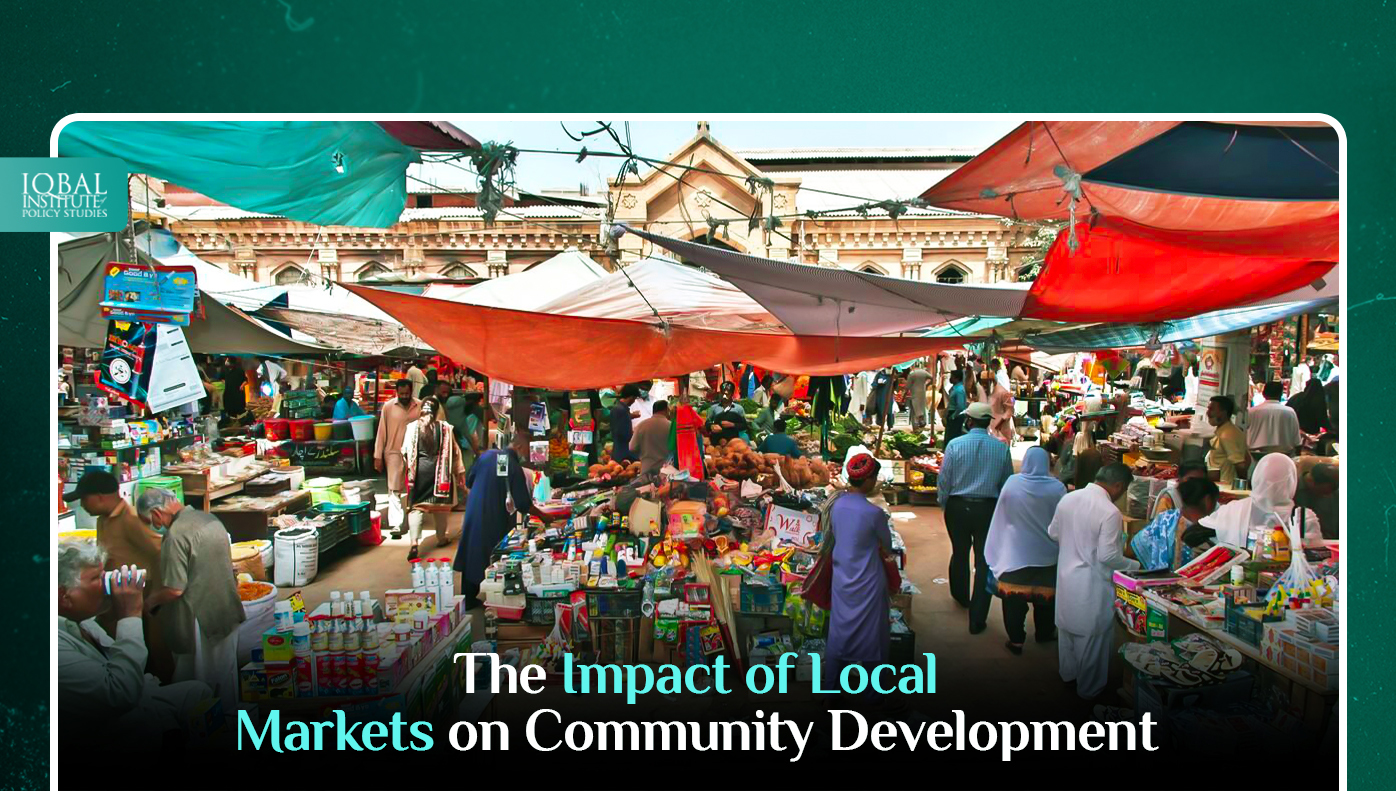
Across the globe, nestled within the folds of bustling cities and quaint villages, lie vibrant threads of community life – local markets. More than just stalls stocked with fresh produce and handcrafted treasures, these spaces pulsate with a unique energy, serving as the beating heart of their surrounding communities. Their impact, woven deeply into the fabric of social, cultural, and economic life, goes far beyond the simple act of exchange.
Economic Engine Propelling Prosperity
At the core, local markets serve as robust engines of economic activity. They provide a platform for small businesses and farmers to flourish, their stalls becoming miniature theatres where livelihoods are crafted and dreams nurtured. The aroma of freshly baked bread from the corner bakery mingles with the vibrant colors of locally woven textiles, each transaction a spark igniting the economic flame. Jobs are created, income circulates, and a sense of self-sufficiency takes root, weaving the local market into the very fabric of economic prosperity.
Beyond mere market forces, these hubs foster entrepreneurship, nurturing a spirit of innovation and resilience. Young minds witness the sweat and determination of local artisans, the resourcefulness of farmers navigating seasonal whims, and the courage of budding entrepreneurs venturing into uncharted waters. This inspiration blossoms into the seeds of their own endeavors, propelling the community forward on a wave of self-reliance and economic dynamism.
Social Tapestry Stitched with Shared Threads
But the economic threads are just one strand in the intricate tapestry of a local market. These spaces are where the social fabric strengthens, threads of identity and belonging intricately woven together. The familiar faces, the warm exchanges, the shared laughter over steaming cups of tea – these are the mortar that binds a community, fostering a sense of place and belonging that transcends geography or social standing.
Grandmothers barter for vegetables, sharing snippets of family lore with the stall owner who, in turn, recounts tales of a mischievous childhood prank to enthral a group of wide-eyed children. Elders watch over the vibrant tapestry, their presence a living link to the community’s past, passing down traditions and customs through storytelling and shared laughter. In this crucible of shared experiences, social bonds solidify, forming a safety net of support and a wellspring of collective identity.
For marginalized groups, local markets become a platform for empowerment and inclusion. Women find a voice as they haggle over prices, their stalls becoming bastions of economic independence. Ethnic minorities discover a space to showcase their unique cultural heritage, their crafts and culinary delights adding vibrant hues to the communal tapestry. Local markets thus stitch together a social fabric rich in diversity and inclusion, where every thread, regardless of its origin, adds strength and beauty to the whole.
Cultural Tapestry Embroidered with Tradition
The colors of a local market extend beyond the economic and social realms, painting a vibrant cultural tapestry. These spaces become repositories of living traditions, where ancient crafts breathe life into everyday objects and culinary creations whisper tales of generations past. The rhythmic thud of the potter’s wheel resonates with the clink of the blacksmith’s hammer, each beat echoing the stories and skills passed down through generations.
Local markets are also living museums, their stalls displaying the artistic heritage of the community. Intricate embroidery adorns garments, hand-painted masks come alive with stories, and the air hums with the melodies of traditional instruments. This cultural tapestry, preserved and celebrated within the market walls, becomes a bridge connecting the present to the past, ensuring that traditions remain vibrant and relevant for generations to come.
Environmental Canvas Painted with Sustainability
The impact of local markets extends beyond the bustling stalls and vibrant colors, reaching into the realm of environmental stewardship. These spaces, rooted in the local landscape, promote sustainability by shortening the food chain and minimizing the carbon footprint of our consumption choices. Fresh produce, plucked just hours before reaching the market, reduces reliance on industrial agriculture and its associated environmental burdens.
Local markets also become hubs for educational initiatives, promoting community gardens and urban agriculture within the market itself. The rhythmic cycle of planting, tending, and harvesting becomes a tangible lesson in sustainability, reminding communities of our interconnectedness with the natural world. By embracing local food systems and reducing reliance on processed, long-distance goods, local markets paint a canvas of environmental consciousness, promoting a future where community thrives in harmony with its environment.
Challenges
However, this intricate tapestry is not without its snags. The vibrant threads of local markets face the constant threat of unraveling from the forces of globalization and homogenization. Large supermarkets, with their economies of scale and aggressive marketing, threaten to eclipse the smaller stalls, jeopardizing the livelihoods of local vendors and farmers. Inadequate infrastructure, poor sanitation, and a lack of support from local governments can further weaken the fabric of these vital community spaces.
Conclusion
Local markets are much more than just places to buy and sell goods. They are vibrant hubs that nourish communities in profound ways. By fostering economic prosperity, social connection, and environmental sustainability, they play a vital role in community development. As we strive for more resilient and thriving communities, nurturing and supporting local markets is an investment in our shared future. So, the next time you find yourself amidst the cacophony and colors of a local market, remember – you are not just experiencing a transaction, you are witnessing a vital performance in the grand opera of community development. Let us all become conductors of this symphony, ensuring its harmonious notes continue to guide us towards a brighter, more inclusive, and sustainable tomorrow.
This article is written by Radma Nouman. Radma is a research analyst at the Iqbal Institute of Policy Studies (IIPS).

Leave a Reply