
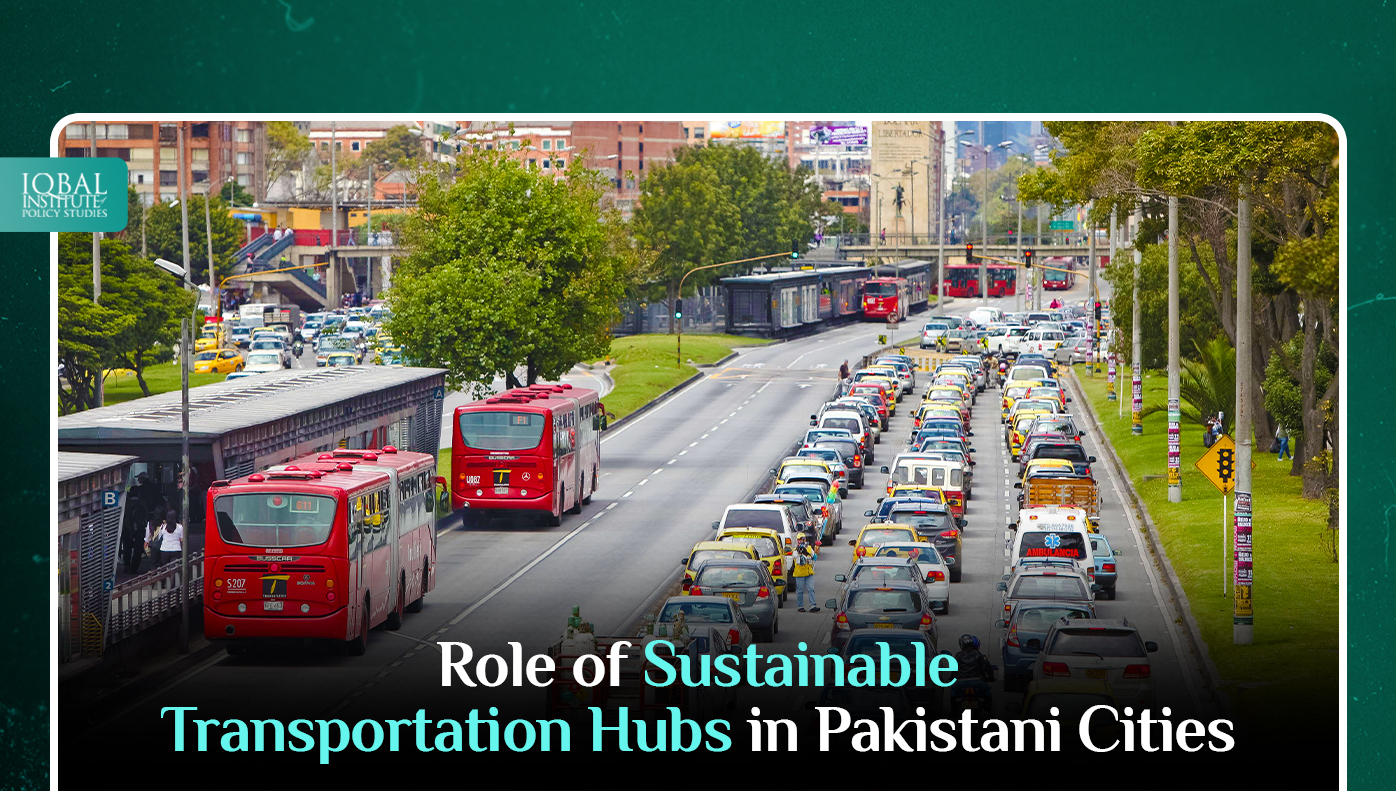
The urban landscape of Pakistani cities is undergoing a profound transformation, marked by rapid population growth and urbanization. With this growth comes a surge in transportation challenges, ranging from traffic congestion to environmental degradation. In response to these issues, the concept of sustainable transportation hubs has emerged as a beacon of hope for a more balanced and eco-friendly urban future. This blog explores in detail the role of sustainable transportation hubs in the context of Pakistani cities and the far-reaching impact they can have on the country’s urban development.
Current Urban Transportation Challenges in Pakistan
The current urban transportation landscape in Pakistan is marred by a myriad of challenges that stem from the rapid urbanization experienced in major cities. Unprecedented population growth has led to an alarming surge in traffic congestion, transforming daily commutes into time-consuming and frustrating ordeals. In cities like Karachi, Lahore, and Islamabad, the proliferation of individual motor vehicles exacerbates the problem, contributing to not only longer commuting times but also a significant environmental toll. Air pollution, resulting from vehicular emissions, poses a severe threat to public health, creating a pressing need for sustainable solutions. The inadequate public transportation infrastructure further compounds the issue, leaving a large portion of the population reliant on a disjointed and inefficient system. These challenges not only impact the quality of life for citizens but also hinder economic productivity. As cities grapple with these issues, the imperative for transformative initiatives, such as sustainable transportation hubs, becomes increasingly apparent to navigate the complexities of urbanization and forge a more sustainable and resilient future.
Defining Sustainable Transportation Hubs
Sustainable transportation hubs represent a paradigm shift in urban planning. These hubs are centralized, multi-modal transit points designed to seamlessly integrate various modes of transportation, from buses and trains to bicycles and pedestrian pathways. What sets them apart is their commitment to environmental sustainability, energy efficiency, and the promotion of accessible, inclusive spaces. The incorporation of green infrastructure and smart technologies further distinguishes these hubs as the future of urban mobility.
Environmental Benefits
The environmental advantages of sustainable transportation hubs cannot be overstated. By encouraging the use of public transportation and non-motorized modes like cycling and walking, these hubs significantly reduce carbon emissions. The integration of green spaces and eco-friendly architecture not only mitigates the environmental impact of transportation but also contributes to a healthier and more aesthetically pleasing urban environment.
Social Inclusivity and Accessibility
In a country as diverse as Pakistan, ensuring social inclusivity is paramount. Sustainable transportation hubs address this challenge by being designed to be accessible to people of all ages and abilities. The incorporation of pedestrian-friendly pathways, ramps, and elevators ensures that these hubs are inclusive spaces, accommodating the diverse needs of the population. This inclusivity is particularly vital in the context of Pakistan, where a significant portion of the population relies on public transportation for daily commuting.
Economic Opportunities
The development of sustainable transportation hubs is not just an investment in environmental and social sustainability but also a catalyst for economic growth. The construction and maintenance of these hubs generate employment opportunities, and the increased connectivity they offer can stimulate economic activities in surrounding areas. Furthermore, the integration of commercial spaces within these hubs creates a vibrant and dynamic urban environment, attracting businesses and further contributing to economic development.
Technological Integration
In the era of smart cities, sustainable transportation hubs serve as hubs of innovation and technological integration. These hubs leverage advanced technologies to optimize traffic flow, manage parking efficiently, and provide real-time information to commuters. The implementation of intelligent transportation systems enhances the overall efficiency of the transportation network, making it more responsive to the needs of the city’s residents.
Challenges for Implementation
The implementation of sustainable transportation hubs in Pakistani cities is not without its share of challenges. One of the primary hurdles lies in navigating complex land-use conflicts. As urban areas are often characterized by competing interests and limited available space, securing suitable land for these hubs becomes a delicate balancing act. Moreover, funding constraints pose a significant challenge, as the development of comprehensive, eco-friendly transportation hubs requires substantial financial investment. Convincing stakeholders to allocate resources towards sustainable urban development can be met with resistance, especially in a context where immediate, visible returns often take precedence over long-term, sustainable solutions. Overcoming bureaucratic red tape and streamlining regulatory processes is another formidable challenge, as the implementation of such projects often involves multiple layers of approvals and coordination among various government bodies.
The social dimension of change is also a challenge in the implementation of sustainable transportation hubs. Resistance to altering established patterns of commuting behavior may come from both the public and influential interest groups. Education and community engagement become crucial tools in addressing this challenge, requiring a concerted effort to raise awareness about the long-term benefits of sustainable transportation and dispelling misconceptions about potential inconveniences.
Opportunities for Implementation
Amidst these challenges, numerous opportunities for successful implementation arise, presenting a transformative potential for Pakistani cities. First and foremost, the pressing need for urban renewal provides a unique window of opportunity. As cities face the consequences of unchecked urbanization, there is a growing acknowledgment of the need for sustainable, future-oriented solutions. This opens the door for policymakers, urban planners, and advocates to make a compelling case for the implementation of sustainable transportation hubs as a fundamental component of comprehensive urban development.
Furthermore, the global focus on sustainable development and the availability of international funding for eco-friendly projects present opportunities for collaboration. Leveraging partnerships with international organizations, NGOs, and environmental agencies can not only address financial constraints but also bring in expertise and best practices from successful sustainable transportation projects worldwide.
The rise of public awareness and activism surrounding environmental issues also creates a favorable environment for the implementation of sustainable transportation hubs. Citizens are increasingly demanding greener, more sustainable urban spaces, putting pressure on local authorities to prioritize environmentally friendly initiatives. This public support can translate into political will, which is crucial for overcoming bureaucratic obstacles and ensuring the successful implementation of sustainable transportation hubs in Pakistani cities. In essence, the challenges are formidable, but the alignment of national and global priorities, coupled with increasing public consciousness, provides a unique window of opportunity for Pakistani cities to reshape their urban landscapes for a more sustainable future.
Conclusion
Sustainable transportation hubs represent a paradigm shift in how we envision and plan urban spaces. In the Pakistani context, where rapid urbanization presents numerous challenges, these hubs offer a holistic and transformative solution. By prioritizing environmental sustainability, social inclusivity, and economic opportunities, these hubs can contribute to the creation of vibrant, resilient, and livable urban spaces. The successful implementation of sustainable transportation hubs requires a concerted effort from all stakeholders, but the long-term benefits for the environment, society, and the economy make it a worthwhile investment in the future of Pakistani cities. As we navigate the complexities of urbanization, sustainable transportation hubs stand as beacons of progress, shaping a more sustainable and equitable future for Pakistani cities.
This article is written by Radma Nouman. Radma is a research analyst at the Iqbal Institute of Policy Studies (IIPS).

Leave a Reply