
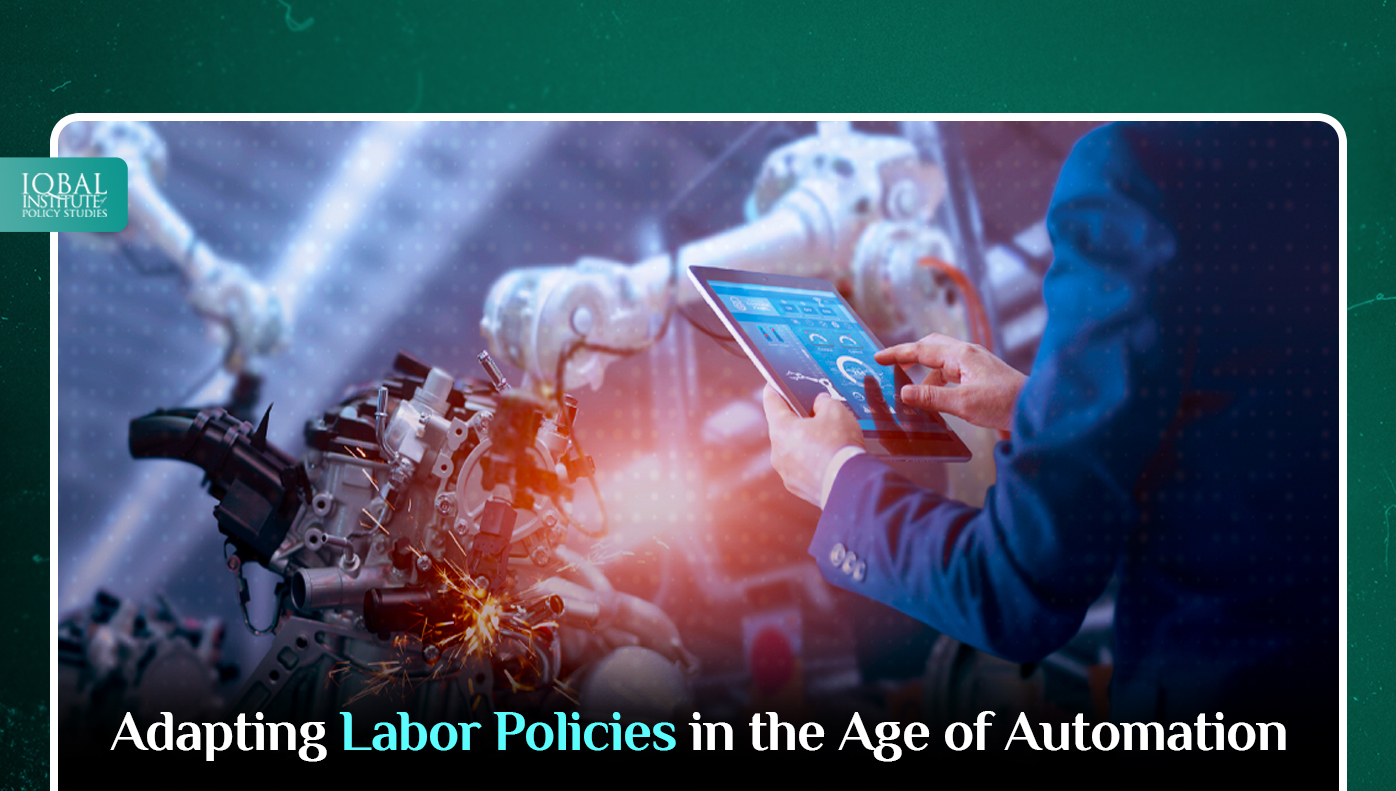
The Fourth Industrial Revolution has ushered in a transformative era, characterized by the relentless integration of automation, artificial intelligence (AI), and robotics into the fabric of industries. The implications of this technological surge extend far beyond efficiency gains, reshaping the very nature of work. In this comprehensive exploration, we delve into the intricate challenges and opportunities presented by automation and how labor policies must adapt to meet the demands of a rapidly evolving workforce.
The Impact of Automation on Employment
At the core of the technological revolution lies the rise of robotics and AI, revolutionizing industries and fundamentally challenging traditional notions of labor. Automation, while promising increased productivity and efficiency, concurrently raises concerns about job displacement across diverse occupations. This paradigm shift necessitates a nuanced examination of the adequacy of existing labor policies to address the multifaceted challenges posed by automation.
The Rise of Robotics and AI
The ascendancy of robotics and AI has led to the automation of tasks that were once exclusively within the purview of human workers. From assembly lines to customer service, the inexorable march of automation prompts a reevaluation of the skills required in the contemporary workforce. The implications extend beyond mere efficiency gains to a profound restructuring of job categories and skill prerequisites.
Changing Skill Demands
The advent of automation mandates a workforce equipped with a new set of skills. Policymakers face the imperative of facilitating widespread upskilling and reskilling initiatives to address the changing demands of the workforce. Collaboration between governments, educational institutions, and industries is paramount to discern emerging skill requirements and design agile curricula that prepare workers for the demands of an automated future.
Adapting Labor Policies
Investment in Education and Training
Central to any comprehensive adaptation strategy is a substantial investment in education and training programs. Governments and industry stakeholders must forge symbiotic partnerships to identify and address skill gaps, ensuring that educational institutions can equip the workforce with the capabilities necessary to navigate the intricacies of an automated workplace. Continuous learning initiatives and lifelong education programs should be integral components of this strategy.
Flexible Employment Models
The conventional 9-to-5 work model is undergoing a paradigm shift as automation enables more flexible employment arrangements. Policymakers need to recalibrate labor laws to accommodate the rise of gig work, remote employment, and non-traditional job structures. Crucially, these adaptations must ensure equitable access to fair wages, benefits, and workplace protections for all workers, regardless of their employment model. Embracing a diversified approach to work is crucial for fostering innovation and accommodating the dynamic nature of the modern workforce.
Social Safety Nets
The specter of job displacement in the wake of automation necessitates the fortification of social safety nets. Labor policies must proactively address issues such as unemployment benefits, healthcare coverage, and retirement plans to create a robust safety net that supports workers facing disruptions in their employment due to automation. The concept of a universal basic income (UBI) or alternative forms of income support may need to be explored to provide economic security in the face of evolving employment structures.
Collaboration Between Stakeholders
Navigating the complexities of the age of automation requires a united front involving governments, businesses, and workers. Labor policies should foster collaborative ecosystems that facilitate ongoing dialogue and cooperation in shaping the future of work. This entails proactive engagement with all stakeholders to ensure the formulation of policies that prioritize inclusivity, fair representation, and the overall well-being of the workforce. Tripartite collaboration between government, industry, and labor unions can play a pivotal role in crafting policies that are not only responsive to the challenges but also reflective of the diverse needs of the workforce.
Ethical Considerations
As automation technologies advance, labor policies must evolve to address the ethical dimensions of this transformation. Policymakers need to establish clear guidelines for the responsible deployment of AI, preventing discriminatory practices, and ensuring transparency in algorithmic decision-making processes. The ethical underpinnings of labor policies are crucial in shaping a future where technology augments human capabilities without compromising fundamental values. Furthermore, policies should encourage the development and adoption of ethical AI standards within industries to safeguard against the unintended consequences of automation.
Conclusion
In the crucible of the age of automation, the adaptation of labor policies emerges as a multifaceted challenge that demands a nuanced and forward-thinking approach. As technological progress reshapes the fabric of work, policies must evolve to simultaneously support workers, foster innovation, and cultivate a future where automation and human capabilities coalesce synergistically. The trajectory ahead requires a delicate equilibrium—one that embraces technological advancement while safeguarding the equitable distribution of its benefits.
In crafting adaptive labor policies, the focus should extend beyond mere survival to ensuring the thriving of the workforce in the face of automation. The proactive and adaptive evolution of labor policies is the linchpin for societies to traverse the labyrinthine challenges of the evolving world of work, constructing a foundation for a sustainable, inclusive, and resilient future. By fostering an environment that encourages continuous learning, embraces flexible employment models, fortifies social safety nets, promotes collaboration, and upholds ethical considerations, policymakers can navigate the complexities of the age of automation and usher in an era where work is not just a means of livelihood but a source of fulfillment and growth for all.
This article is written by Radma Nouman. Radma is a research analyst at the Iqbal Institute of Policy Studies.

Leave a Reply