

In the heart of Pakistan’s bustling urban centers, where slums have historically been associated with neglect and deprivation, a transformative movement is gaining momentum. Art and culture are emerging as powerful agents of change in the process of slum regeneration, injecting vibrancy into forgotten spaces and rekindling a profound sense of identity and pride among residents. This blog delves deeper into the dynamic role of art, cultural activities, and community engagement in the journey of slum transformation within Pakistan. It underscores how these creative expressions are reshaping perceptions, fostering social cohesion, and revitalizing these often-overlooked communities.
The Creative Pulse of Slum Regeneration
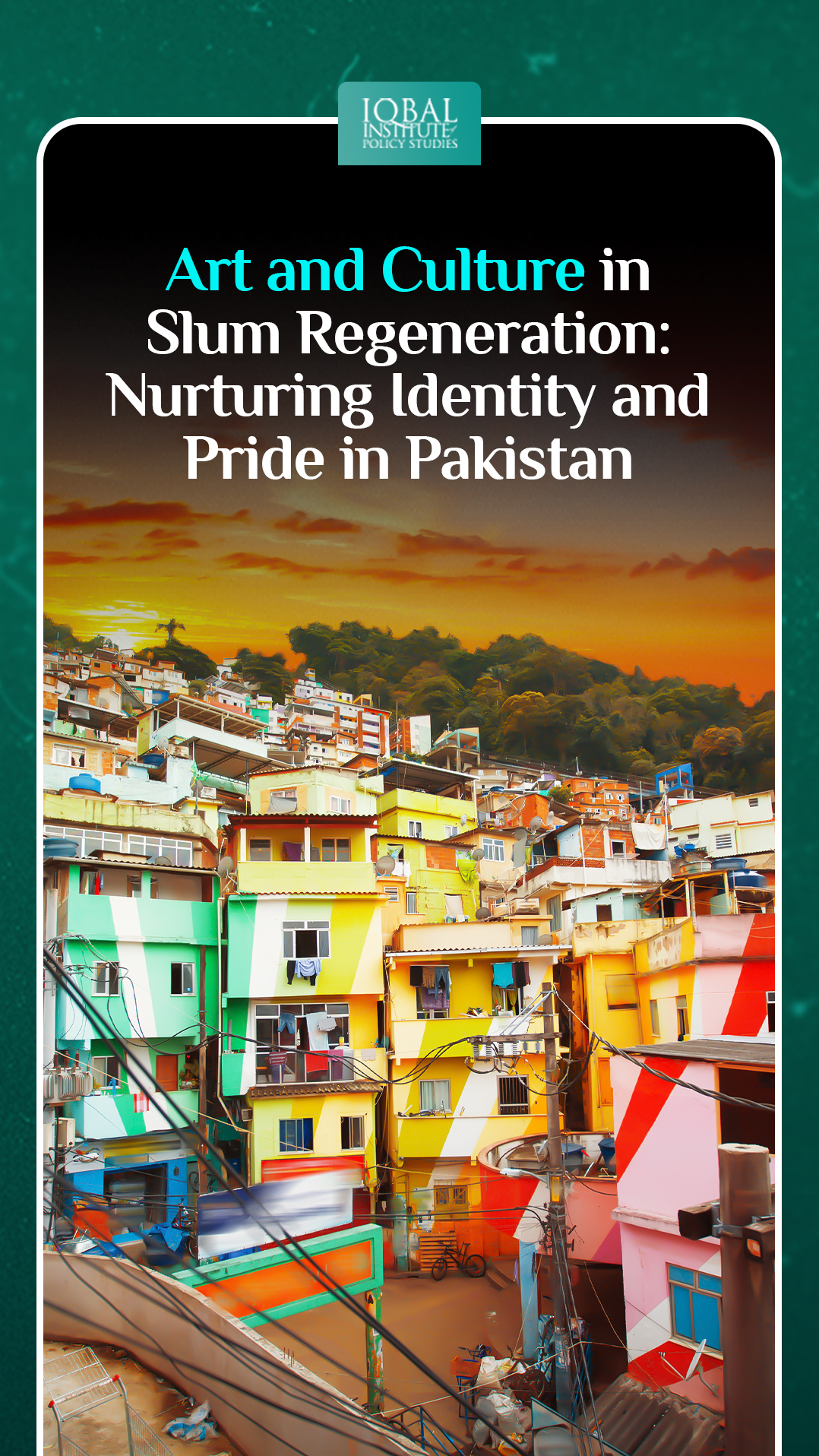
Art and culture have a unique ability to transcend barriers, and their impact is particularly pronounced in the context of slum regeneration. From murals adorning walls to spirited performances that resonate through narrow alleys, creative expressions are rewriting the narratives of Pakistan’s slums. These artistic endeavors are more than mere embellishments; they serve as conduits for hope, healing, and empowerment among residents who have long been marginalized.
Celebrating Diverse Cultural Heritage
Pakistan is a nation teeming with cultural diversity, and slums often serve as microcosms of this rich tapestry. Art and cultural activities provide platforms to honor and preserve these diverse heritages. Festivals, traditional dances, and local crafts become avenues through which residents can share their unique cultural legacies, fostering a sense of pride and belonging.
Empowerment through Artistic Expression
Art is a means of giving voice to the voiceless. In the slums of Pakistan, artistic expressions such as murals, graffiti, and street art provide a canvas for residents to express their stories, hopes, and struggles. This creative outlet enables them to reclaim public spaces and assert their presence in a society that has often ignored their existence.
Cultivating Inclusive Communities
Artistic initiatives are inherently collaborative, encouraging residents to participate in the creative process. This shared engagement fosters a strong sense of community and encourages cooperation beyond the confines of the artwork itself. By working together on art projects, residents forge meaningful connections and build a sense of unity.
Real-Life Stories of Transformation
I Am Karachi Festival
The “I Am Karachi” festival has become an annual celebration of the city’s cultural diversity. Amid the bustling streets and narrow alleys of Karachi, this festival brings together residents from all walks of life to showcase their talents and heritage. Performances, exhibitions, and workshops showcase the vibrant traditions of different ethnicities, religions, and communities. This festival serves as a unifying force, transcending socioeconomic divides and promoting a sense of belonging and shared identity. The festival’s impact extends far beyond its duration, as it fosters lasting connections and encourages dialogue among Karachi’s diverse populace, including those in slum areas.
Rafi Peer Cultural Centre, Lahore
The Rafi Peer Cultural Centre has played a transformative role in fostering creativity and cultural expression within marginalized communities. Through its various programs, workshops, and exhibitions, the center empowers slum residents, particularly youth, to channel their artistic talents. From theater workshops to visual arts classes, these initiatives provide not only artistic skills but also personal development opportunities. By offering a space for creative exploration and expression, the center nurtures a sense of self-worth and achievement among residents, leading to increased community cohesion and a more positive self-perception.
Khuda Ki Basti, Karachi
The Khuda Ki Basti (“God’s Neighborhood”) project in Karachi creatively transformed a once-neglected area into a thriving community hub. By involving local residents in mural creation and public art installations, this initiative brought color and life to the environment. Beyond the aesthetic transformation, the project symbolized a collective effort to improve living conditions and create a stronger sense of community. As residents contributed to the creation of art that depicted their stories, hopes, and dreams, a new narrative emerged—one of resilience, unity, and pride. The initiative also served as a model for other slum regeneration projects, emphasizing the importance of community engagement and artistic expression.
Karachi Walla
The “Karachi Walla” project is a visual storytelling endeavor that captures the essence of Karachi’s neighborhoods, including its slums. Through photo essays, this initiative highlights the beauty, struggles, and everyday lives of residents. By showcasing the humanity and dignity of those living in slum areas, the project challenges negative stereotypes and perceptions. Through vivid imagery and personal narratives, “Karachi Walla” seeks to empower slum residents by providing them a platform to share their stories. The project not only transforms the way outsiders perceive these communities but also fosters a sense of pride and dignity among residents themselves.
These real-life stories from different parts of Pakistan underscore the transformative power of art and culture in slum regeneration. These initiatives transcend physical improvements and engage with the heart and soul of communities. Through creative expression and community engagement, slum residents are reclaiming their spaces, reshaping their narratives, and rewriting the collective story of their neighborhoods. These stories are a testament to the potential for positive change that lies within the intersection of art, culture, and community engagement in Pakistan’s slums.
Strategies for Successful Engagement
To harness the full potential of art and culture in slum regeneration in Pakistan, a holistic approach is vital:
- Community Co-Creation: Involve local residents from the outset of artistic projects, ensuring their voices and aspirations guide the endeavor.
- Skills Development: Provide workshops and training that equip residents with artistic skills, enabling them to contribute actively to transforming their surroundings.
- Collaboration: Foster partnerships with local artists, cultural organizations, and educational institutions to infuse a diverse range of creative influences and resources.
- Long-Term Sustainability: Develop projects with enduring impact, fostering ongoing community engagement and ensuring the maintenance of artistic elements.
Conclusion
Art and culture are emerging as dynamic catalysts for slum regeneration in Pakistan, transcending physical limitations to inspire profound change. Beyond the realm of aesthetics, these creative expressions empower residents to reclaim their spaces, celebrate their heritage, and reshape their identities. Through art and culture, Pakistan’s slums are finding their voice, painting a vibrant canvas of hope, resilience, and possibility. As murals grace walls and cultural events enliven narrow alleyways, the narrative of slums is undergoing a transformative shift—from stories of adversity to narratives of strength, unity, and pride.
This article is written by Maha Nazami. Maha is a research analyst at the Iqbal Institute of Policy Studies (IIPS).

Leave a Reply