
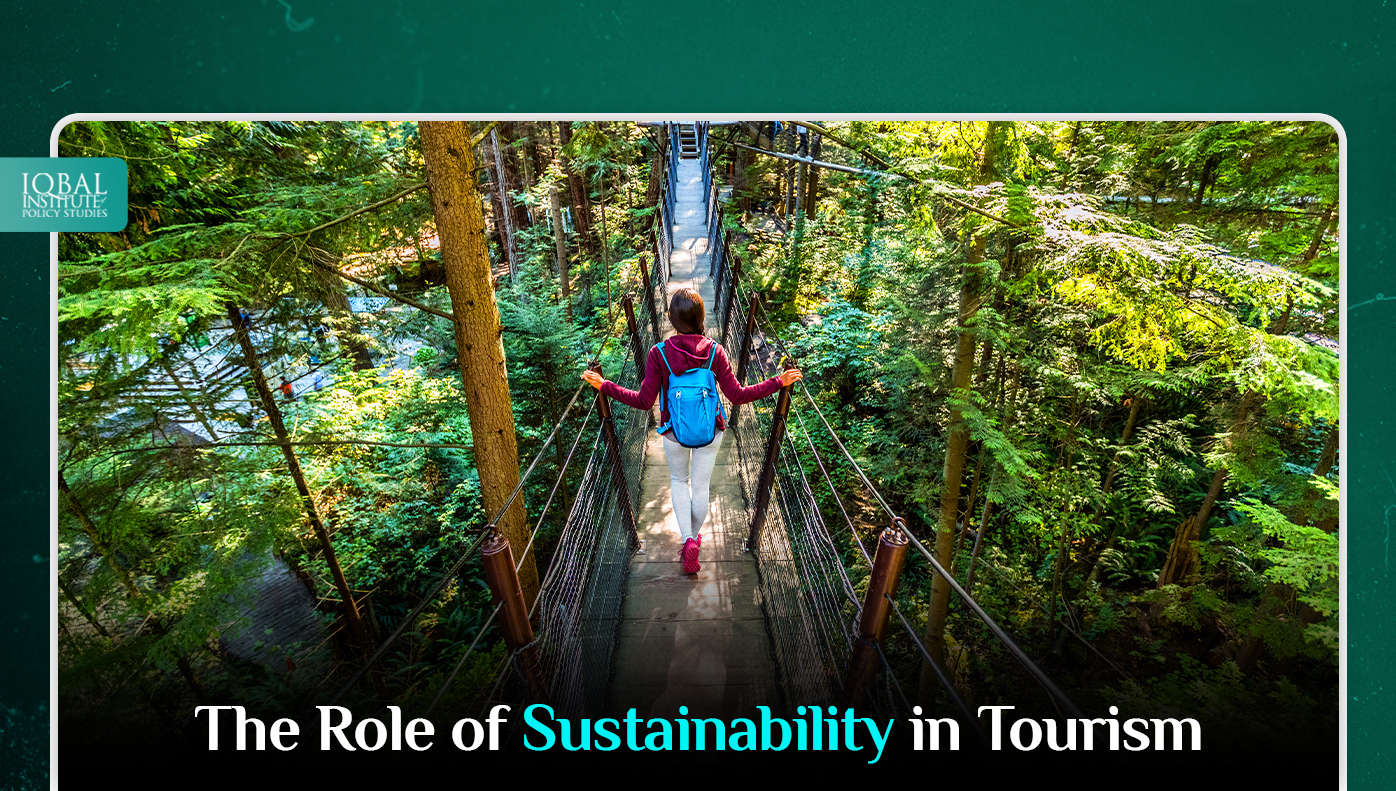
In today’s rapidly evolving world, the concept of sustainability has taken center stage, urging industries and individuals alike to embrace practices that harmonize economic, social, and environmental considerations. Among these, the realm of tourism has emerged as a powerful platform for not only exploring the beauty of our planet but also for fostering a deeper understanding of the delicate balance required to sustain it. This is where the intersection of tourism and education becomes a beacon of hope.
As tourists embark on journeys to discover new landscapes and cultures, they are presented with an unparalleled opportunity to learn about sustainable practices. Whether it’s witnessing the intricacies of a thriving ecosystem, engaging with local communities, or experiencing firsthand the consequences of climate change, these travel experiences carry the potential to reshape perspectives and attitudes. Beyond the mere pursuit of leisure, travel becomes a vessel for knowledge dissemination, enabling individuals to grasp the tangible impact of their choices.
The Connection between Tourism and Sustainability
The intricate relationship between tourism and sustainability underscores the profound influence that travel wields over the intricate web of our global ecosystem. Beyond its role as a means of exploration and leisure, tourism holds the power to shape the economic, cultural, and environmental landscapes of destinations worldwide. Travel has the potential to serve as a double-edged sword, simultaneously contributing to economic growth while exerting pressures on local resources and traditions. From bolstering local economies through increased spending and job creation to introducing foreign cultures and ideas, tourism can be a force for positive change. However, the unbridled expansion of tourism can lead to detrimental effects, including habitat degradation, cultural commodification, and social imbalances.
Enter sustainable tourism—a deliberate and conscious approach to travel that seeks to mitigate these negative impacts. At its core, sustainable tourism recognizes that economic growth must be accompanied by social equity and environmental stewardship. This entails nurturing local communities by involving them in decision-making processes, preserving cultural heritage, and implementing eco-friendly practices that safeguard delicate ecosystems. By fostering a harmonious synergy between economic prosperity, cultural preservation, and ecological well-being, sustainable tourism stands as a compelling model for a responsible and ethical travel paradigm. As we explore the interplay between wanderlust and sustainability, it becomes evident that the choices we make as travelers have far-reaching consequences, shaping the trajectory of the places we visit and the planet we share.
Educating Through Experiences
Educating through experiences is a transformative approach that capitalizes on the immersive nature of travel. Rather than relying solely on traditional classroom settings, this method taps into the power of direct engagement with diverse environments and cultures. Through hands-on encounters with local communities, ecosystems, and heritage sites, travelers gain insights that textbooks alone could never convey.
Experiential education fosters a deeper understanding of sustainability by allowing travelers to witness its principles in action. Whether participating in conservation projects, visiting eco-friendly establishments, or learning about indigenous practices, these encounters offer tangible lessons that resonate long after the journey ends. This dynamic learning process not only educates travelers about the intricacies of sustainable living but also inspires them to be ambassadors for positive change, amplifying the message of sustainability to others. In a world where experiential learning reigns supreme, travel emerges as a potent vehicle for nurturing informed, conscious global citizens. The lessons learned through personal interactions and observations have the potential to shape perspectives, attitudes, and behaviors, making the journey of education an adventure that enriches both individuals and the planet.
Promoting Environmental Awareness
Promoting environmental awareness is a pivotal role that tourism assumes in the modern age. Traveling to new destinations exposes individuals to a diversity of ecosystems, landscapes, and natural wonders, providing an unparalleled opportunity to foster a deeper understanding of the planet’s delicate balance. Through nature-based tourism, travelers become intimately connected with the environment, witnessing firsthand the beauty and vulnerability of the Earth. From exploring lush rainforests to diving into vibrant coral reefs, these experiences inspire awe and empathy for the natural world. Such encounters cultivate a sense of responsibility for preserving these treasures, propelling travelers to advocate for conservation and sustainable practices.
Environmental awareness in tourism extends beyond individual experiences. By showcasing successful conservation efforts, educating visitors about local flora and fauna, and supporting wildlife sanctuaries, the industry becomes a driving force for global conservation initiatives. As travelers return home armed with newfound knowledge and a heightened sense of stewardship, the ripple effects of their journeys resonate, creating a collective commitment to safeguarding our planet’s future.
Cultural Exchange and Preservation
Cultural exchange and preservation lie at the heart of sustainable tourism’s transformative potential. As travelers venture into new territories, they open the door to a rich tapestry of customs, traditions, and ways of life. These encounters transcend superficial tourism, fostering deep connections that enrich both visitors and host communities.
By immersing themselves in local cultures, tourists gain insights into the history, values, and creativity that define a region. Engaging with indigenous practices, attending traditional festivities, and interacting with artisans not only broaden perspectives but also contribute directly to cultural preservation. The economic support provided by tourism can incentivize communities to safeguard their heritage, passing down age-old wisdom to future generations. In return, cultural exchange enriches local communities as they share their narratives and traditions. The appreciation of cultural diversity promotes cross-cultural understanding and respect, combating stereotypes and fostering a sense of unity among humanity. Sustainable tourism, therefore, emerges as a bridge that not only connects diverse societies but also nurtures the very essence of our collective human heritage.
Collaboration Between Tourism Industry and NGOs
The collaboration between the tourism industry and non-governmental organizations (NGOs) signifies a potent alliance in the pursuit of sustainable development. NGOs bring expertise, grassroots connections, and a deep commitment to social and environmental causes, while the tourism sector possesses the reach, resources, and platform to effect positive change on a global scale. Together, they form a formidable partnership that addresses critical issues such as poverty alleviation, community empowerment, and environmental conservation. From supporting local projects to championing responsible travel practices, this synergy amplifies the impact of both sectors. For instance, joint efforts may lead to initiatives like waste reduction campaigns, educational workshops for travelers, or initiatives to empower marginalized communities through tourism-related livelihoods.
In this collaboration, NGOs serve as guides, steering the industry towards ethical practices and meaningful engagement. Meanwhile, the tourism industry becomes a vehicle through which these NGOs’ visions are realized, benefiting communities, ecosystems, and travelers alike. By uniting forces, the tourism industry and NGOs foster a future where travel isn’t just an exploration of places, but a commitment to creating positive, lasting change.
Empowering Tourists to Make a Difference
Empowering tourists to make a difference lies at the core of sustainable tourism’s impact. By equipping travelers with knowledge and tools, we transform them from passive observers into active participants in positive change. Simple actions like choosing eco-friendly accommodations, supporting local businesses, and respecting cultural norms amplify the collective effort toward sustainability. Educated tourists become catalysts for community development and environmental conservation, ensuring that their journeys leave positive footprints that benefit both the places they visit and the world at large.
Challenges and Future Directions
As the journey towards sustainable tourism unfolds, it faces a spectrum of challenges and offers promising future directions. The foremost hurdle lies in overcoming the allure of mass tourism and the associated strain on ecosystems and cultures. Greenwashing also poses a threat, with businesses misrepresenting their practices as sustainable. However, as technology advances, so does the potential for transparent information sharing. Looking ahead, the integration of technology, from virtual reality experiences to carbon tracking apps, holds the promise of enhancing educational efforts and reducing the industry’s carbon footprint. Collaborative partnerships between governments, NGOs, and the private sector are poised to drive change by implementing stricter regulations and promoting responsible practices. Ultimately, the trajectory of sustainable tourism hinges on a shared commitment to forging a balance between economic growth, cultural preservation, and environmental stewardship, ensuring that future generations inherit a world rich in both natural wonders and diverse cultures.
Conclusion
In the intricate tapestry of travel and sustainability, it becomes evident that tourism is not merely a fleeting pursuit of leisure; it is a dynamic force capable of shaping the world’s future. As travelers and the industry alike embrace the mantle of educators, we stand on the precipice of transformation, armed with the knowledge that every journey holds the potential for positive change. Through immersive experiences, cross-cultural exchanges, and collaborative initiatives, sustainable tourism becomes a beacon of hope, illuminating the path towards harmonious coexistence between humanity and our planet. By fostering environmental awareness, cultural preservation, and responsible choices, we bridge the gap between wanderlust and global stewardship, leaving behind a legacy of conscious exploration for generations to come.
This article is written by Shahmeer Adnan. Shahmeer is a research analyst at the Iqbal Institute of Policy Studies (IIPS).

Leave a Reply